MBIFL 2026: Declan Walsh to explore Pakistan’s deep state enigma and Africa’s realities
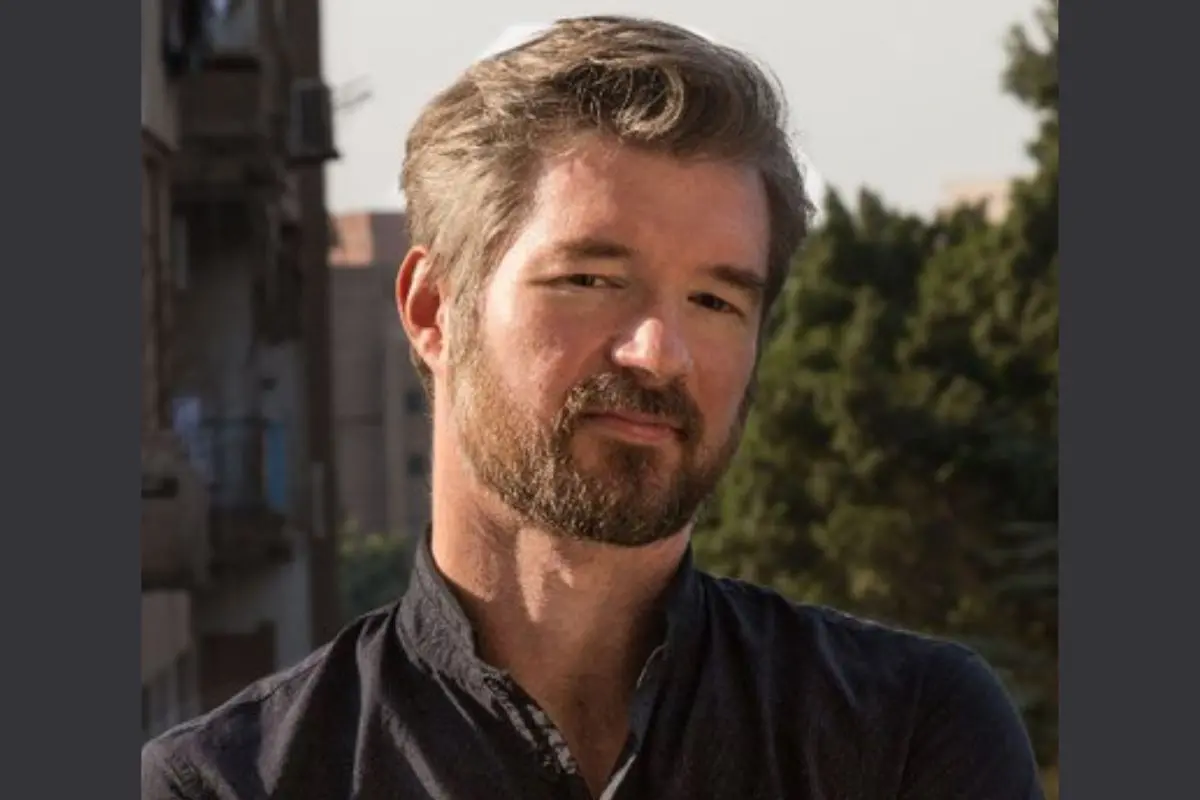
Declan Walsh, who spent nearly 10 years reporting in Pakistan for 'The Guardian', was abruptly ordered by authorities to leave the country, given just 72 hours to comply, back in 2013. He was detained at the Avari Hotel in Lahore, unaware of any wrongdoing, and guarded by Pakistan’s intelligence agency, the ISI. Before boarding his flight, leaving behind his home and pet dogs, Declan wrote on Twitter: “I'm leaving. I can't believe what's happening.”
Declan was already familiar with Pakistan’s deep state—a network of groups capable of secretly influencing government affairs. From Karachi to Islamabad, Lahore to Balochistan, Khyber Pakhtunkhwa on the Taliban-tinged border with Afghanistan, and the chilly heights of Quetta in the Himalayas, he travelled widely, meeting people and making friends.
Among those he encountered were Abdul Rashid Khan, the gun-toting cleric of the Raid Mosque, and Asma Jahangir, the renowned human rights activist. There was Hafiz Saeed, the mastermind of the Mumbai terror attacks, and Anwar Kamal Marwat Khan, a politician and self-proclaimed thug from northwest Pakistan.
He also met the enigmatic Karachi police officer Chaudhry Aslam Khan (portrayed by Sanjay Dutt in Aditya Dhar’s Dhurandhar), and the Pakistani spy and Taliban trainer, Colonel Imam, also known as Sultan Amir Tarar. There was the Baloch leader Nawab Akbar Shahbaz Khan Bugti, a man who lived with a gun in one hand and Sufi poetry in the other, immersed in the writings of Tagore, English Romantic poets and French philosophers. He crossed paths with figures such as Imran Khan and Benazir Bhutto—and a host of others who remain largely absent from official history.
Declan traversed the shadowy streets of Pakistan, where politics, religion and the underworld of drugs intertwined. He reported stories that rarely reached the outside world, witnessing suicide attacks and riots, and experiencing the full spectrum of Pakistani society—from extreme wealth to extreme poverty.
When Declan met Hafiz Saeed in Lahore during the Mumbai attacks and asked about Ajmal Kasab, Saeed replied: “Who knows why he went to Mumbai? Maybe he went to a movie?”
Book your tickets for MBIFL 2026 | https://store.mathrubhumi.com/mbifl/index.html
For a long time, Declan could not understand why he had been expelled. He asked Ashraf, a former ISI spy exiled to Brussels after years of disillusionment, at a café: “Why did they expel me from your country? What did I do wrong?” Ashraf replied: “You went to Quetta. You wrote about the Taliban’s terrorist camps and the army’s human rights abuses. You expressed interest in what the ISI was trying to cover up. Their eyes were always on you.”
Declan Walsh, now the Africa bureau chief for 'The New York Times', won the 2025 Pulitzer Prize for journalism. He will appear at the Mathrubhumi International Festival of Letters to discuss the enigma of Pakistan and the realities of Africa.