Frankenstein Day: Facts, quotes and myths behind Mary Shelley’s masterpiece
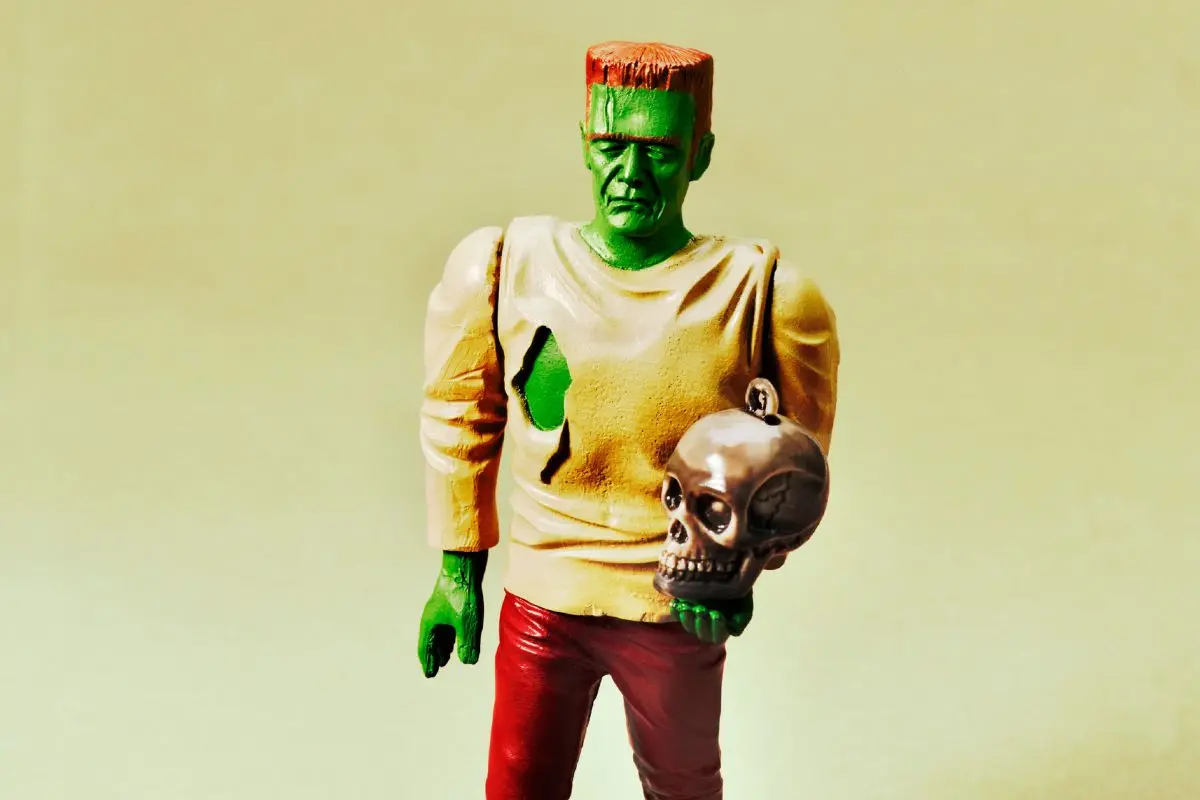
Every 30th of August, readers and film lovers celebrate Frankenstein Day, marking the birthday of Mary Shelley, the teenager who dreamed up a lonely creature stitched together in a laboratory and, in doing so, invented an entire genre.
More than two centuries later, her tale of ambition, fear and humanity continues to spark debate, inspire films and haunt our imagination.
Mary Shelley: The teen who invented Sci-Fi
At just 18, when most of us might have been worrying about schoolwork and relationships, Mary Shelley was writing the foundations of science fiction.
In 1816, known as “the year without a summer” after a volcanic eruption darkened skies across Europe, she found herself in Switzerland with her soon-to-be husband Percy Bysshe Shelley and their friend Lord Byron. Stuck indoors by endless rain, the group set themselves a challenge: to write ghost stories.
Byron and Percy quickly lost interest, but Mary’s imagination caught fire. By the time she turned 19, she had developed her idea into Frankenstein, the story of Victor Frankenstein, an ambitious young scientist who creates life and then recoils from it in horror.
Published in 1818, it was more than a frightening tale. It blended philosophy, science and social questions in a way no one had done before. In many ways, it was the birth of science fiction.
Myths, monsters and misunderstandings
For more than 200 years, people have been getting him wrong in movies, on TV, in Halloween costumes, even in memes.
Here are some of the most common mix-ups
Calling the monster “Frankenstein”
Frankenstein is the scientist, not the creature. Victor Frankenstein builds him. The creature never gets a proper name. In the book, he’s just “the creature” or “the wretch.”
Green skin
Mary Shelley never describes him as green. In fact, he’s supposed to have yellowish skin, stretched too tightly over his muscles. The green look came much later, mostly thanks to black-and-white films where makeup needed to stand out.
The neck bolts
The famous square skull and neck bolts were Karloff-era inventions, never in the book. Shelley never mentioned any.
The flat head
The flat-topped head was a design choice to make the makeup work. In the book, he’s just large and unsettling.
He’s not a grunting zombie
Shelley’s creature speaks a lot. He’s eloquent, philosophical, and even quotes Paradise Lost. Definitely not the “aaarggghhh” monster we often see.
Villain or victim?
In pop culture, he’s often shown as a scary villain. But in the novel, he’s more tragic than terrifying, a lonely being who desperately wants companionship.
Pitchforks and angry villagers
True, movies love the angry mob scene. But in the book, there isn’t one. The cruelty the creature faces is quieter and more personal, rejection from every human he encounters.
Fear of fire
Pop culture Frankenstein runs from fire like a cartoon cat. In Shelley’s story, fire is more symbolic: it represents both comfort (warmth, survival) and danger (he burns himself when he touches it).
He wasn’t built in a castle laboratory
Forget the gothic tower with lightning rods. In the novel, Victor works mostly in his student lodgings and a secluded workshop. The castle set-up was pure movie drama.
He’s not just a Halloween costume
Today, Frankenstein’s monster is a go-to Halloween look, green face paint, square head, ripped coat. But Shelley’s version is more heartbreaking than spooky. He’s not here to scare us; he’s here to make us think.
Words that still spark
Mary Shelley didn’t just give us a monster story, she gave us a book full of lines that feel surprisingly modern. Frankenstein is packed with reflections on ambition, loneliness, and what it means to be human.
“Nothing is so painful to the human mind as a great and sudden change”
Shelley wrote this in 1818, but honestly, it could be a tweet about moving cities, breakups, or even a bad haircut. Change has always been hard.
“I ought to be thy Adam, but I am rather the fallen angel.”
The creature comparing himself to both Adam and Satan. It’s a line about wanting love but feeling rejected; something most of us have felt, even if we weren’t stitched together in a lab.
“Beware; for I am fearless, and therefore powerful.”
This one hits like a motivational poster, but darker. When you’ve got nothing left to lose, fear disappears, and that can make you unstoppable.
“The world was to me a secret which I desired to divine.”
Curiosity, ambition, the hunger to know more. Victor’s restless curiosity mirrors our own late-night hunts for answers online.
“If I cannot inspire love, I will cause fear.”
That’s heartbreak turned into rage in one sentence. It’s a reminder of how badly humans (and monsters) need connection.
“Life, although it may only be an accumulation of anguish, is dear to me, and I will defend it.”
It’s haunting, but also strangely life-affirming. Even when everything feels dark, existence itself still matters.
Lessons from the lab
Beyond the thunder and the horror, Frankenstein is a guidebook to life’s temptations and mistakes.
Curiosity is thrilling but dangerous
Victor’s desire to uncover life’s secrets was bold, but his lack of foresight brought chaos. Curiosity must be paired with caution.
Responsibility cannot be abandoned
Victor ran from his creation the moment it lived. In life, whether it is a job, a friendship or even a houseplant, neglect leads to disaster.
Loneliness is powerful
The creature turned vengeful not from birth, but from rejection. Shelley reminds us that kindness and connection can change everything.
Balance is essential
Playing God is risky, but so is forgetting to play at all. Ambition should be matched with joy, imagination and rest.
Why Shelley still matters
Two centuries on, Mary Shelley’s story continues to echo. At its heart, it asks questions that remain unresolved today. How far should science go? What happens when innovation races ahead of morality? And who decides what it means to be human?