Chimamanda Ngozi Adichie’s ‘Dream Count’ marks a vibrant return to fiction
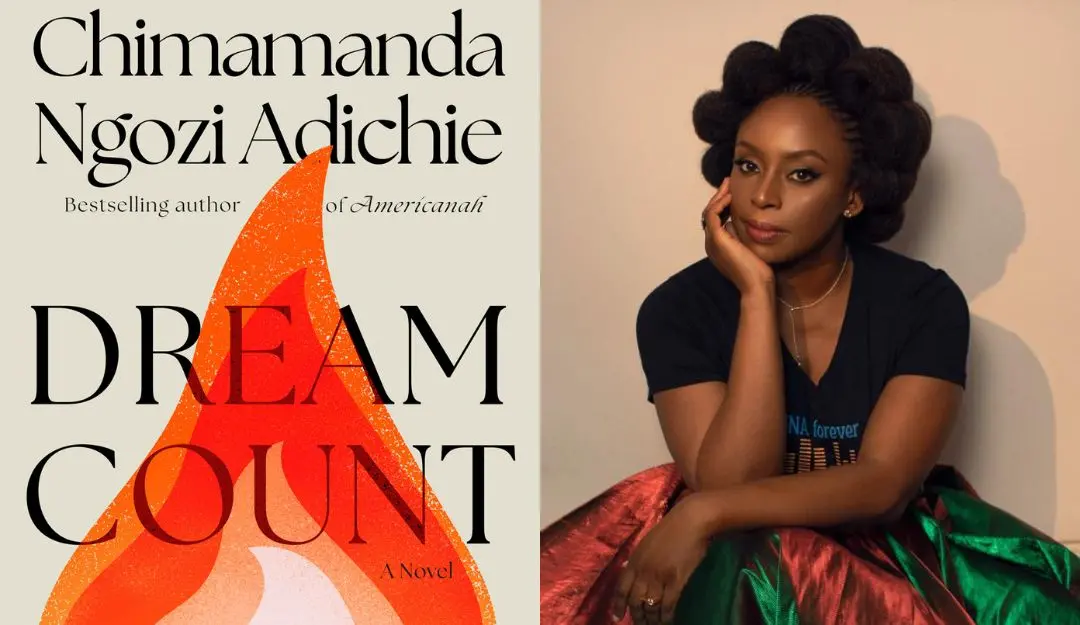
Chimamanda Ngozi Adichie’s Dream Count is a striking and emotional return to long-form fiction. After over a decade, the Nigerian author delivers a powerful narrative that reminds readers of the sharp wisdom and enduring empathy that have made her one of the most celebrated voices in modern literature. Dream Count feels like a homecoming, both for the author and her audience.
On the surface, Dream Count explores the emotional lives of four women, each navigating the complexities of love, purpose, and stability. The story is set between Nigeria and Washington, DC, offering an insightful perspective on the lives of women from different backgrounds. But as the novel progresses, it takes a darker turn, focusing on issues of justice, exploitation, and survival.
Chia’s reflections amidst the pandemic
The novel opens with Chiamaka, or Chia, a Nigerian-born woman who has spent her adult life in America. Isolated during the pandemic lockdown, Chia begins reflecting on past relationships that form part of her “dream count,” a personal tally of her quest for perfect love. Her voice connects the various threads of the narrative, guiding readers through the lives of the other women.
From here, the novel shifts focus to three other women: Zikora, Chia’s ambitious lawyer friend, Omelogor, Chia’s bold cousin, and Kadiatou, Chia’s cook and housekeeper. Each character is grappling with their own dreams and struggles.
The novel takes a dramatic turn when it introduces Kadiatou, whose life is shattered after she is assaulted by a prominent hotel guest. This moment is rendered in quick, unsettling detail, capturing the horror and trauma of the assault. Kadiatou’s story becomes a focal point as the media and public dissect her life in the lead-up to an international trial. Adichie’s portrayal of Kadiatou’s trauma draws inspiration from the real-life story of Nafissatou Diallo, a hotel housekeeper who accused the head of the International Monetary Fund of sexual assault in 2006.
A political undercurrent of feminism and exploitation
The novel’s political undertones resonate throughout. As the author of We Should All Be Feminists, Adichie highlights the struggles of her characters within a patriarchal, often exploitative society. Chia’s attempts to build a career as a travel writer are stifled by American editors who prefer outdated stereotypes of Africa. Meanwhile, Omelogor’s pursuit of power and wealth sees her dismissed and ridiculed in the United States, despite her success.
Some readers might question the purpose of intertwining Kadiatou’s harrowing survival story with the more privileged lives of the other women. Although Chia and her friends support Kadiatou, they are ultimately consumed by their own personal struggles. The novel’s rapid pacing and underdeveloped subplots, particularly Zikora’s storyline, may also leave some parts feeling rushed or unfinished.
An empathetic and powerful narrative
Despite these occasional weak points, Dream Count never loses its vibrancy. The novel thrives on Adichie’s profound empathy and sharp storytelling. Each page is infused with clarity and insight, and as readers, we begin to feel deeply connected to these women, forgetting that their lives belong to fiction.
Adichie’s Dream Count is a rich, layered exploration of the dreams and challenges of women caught between cultures, ambitions, and societal expectations. It is a welcome and timely return from one of fiction’s most powerful voices.
Agency