Five short blasts and a very long silence: What rules of the sea actually say
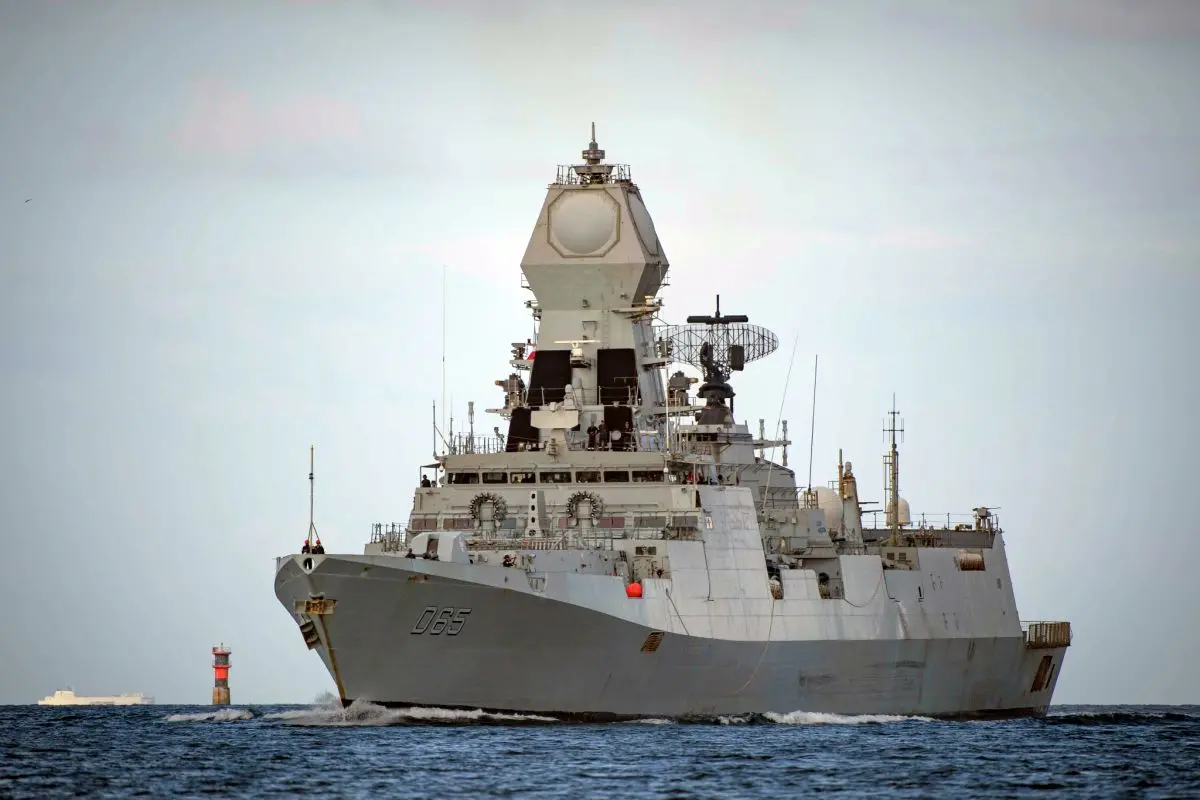
Every ship on the open ocean operates under the same basic traffic code, formally known as the International Regulations for Preventing Collisions at Sea, or COLREGs, adopted under the International Maritime Organization framework and binding on essentially every seafaring nation, including both India and Pakistan.
The rules are not complicated in principle. Vessels must maintain safe speed for the conditions, keep a proper lookout by sight, sound and radar, and take early, substantial action to avoid a close-quarters situation rather than a last-second dodge.
When risk of collision exists, one vessel typically has a duty to give way while the other maintains course and speed. So both parties' actions remain predictable to each other.
Channel 16 on marine VHF radio exists specifically as the international distress and calling channel, used among other things to hail another vessel that appears to be closing in dangerously.
Also Read: Pakistan’s growing naval fleet, but who is protecting its citizens at sea?
Five short, rapid blasts on a ship's horn is the internationally recognised signal for "do not understand your intentions" or "danger of collision" -- a maritime equivalent of laying on the car horn because the other driver is drifting into your lane.
According to Indian government sources, the Indian warship issued repeated warnings over Channel 16 as PNS Hunain closed the distance.
Despite those warnings, sources said, the Pakistani vessel increased speed and crossed into a position that led to the collision. If accurate, that sequence describes precisely the scenario COLREGs exists to prevent: an early, communicated warning ignored right up until contact.
This is not a technicality reserved for maritime lawyers. Close-quarters collision risk between naval vessels, as opposed to merchant ships, carries extra weight because warships typically operate with more speed, manoeuvrability and situational awareness than a commercial tanker, which is precisely why unsafe manoeuvring by a warship is treated as more serious, not less, when it results in contact.
A merchant captain misjudging distance in poor visibility is a navigational error. A naval officer closing at high speed on another warship despite radio warnings is a judgment call, made by a trained crew, in daylight-adjacent evening conditions, with international rules and a bilateral treaty both pointing the other way.
Pakistan Navy and Pakistan's Foreign Office sources are attempting to state a different version of events: that INS Kolkata was the vessel operating provocatively inside Pakistan's Exclusive Economic Zone, that it had been shadowed since early September, and that it was India's ship, not Hunain that changed course and caused the contact.
That claim deserves scrutiny on its own terms. An EEZ is not a territorial sea; under UNCLOS Article 58, high-seas freedoms of navigation continue to apply within it, and a coastal state's rights there are limited to resources, the environment and specific installations, not a general power to exclude naval transit.
Islamabad has also not offered a bridge-level account, matching India's level of detail, of what PNS Hunain's own crew believed was happening in the moments before the collision, or a response to the specific claim that repeated Channel 16 warnings went unheeded.
This is not the first time a Pakistani vessel has been on the wrong side of these rules against an Indian one. In June 2011, PNS Babur brushed against INS Godavari in the Gulf of Aden, prompting an Indian protest that invoked the same COLREGs and the same 1991 bilateral agreement on advance notice of exercises now back in play. Indian sources at the time noted Babur had shadowed Indian ships on at least two earlier occasions that year.
Also Read: China's silent eye above India's skies
Fifteen years, one recurring pattern: close, provocative shadowing that treats a rules-bound encounter as a game of chicken. That pattern is the more important story here, because it doesn't scale. A 2,600-tonne Pakistani patrol vessel gained nothing operationally by pressing close on a 7,400-tonne, BrahMos-armed Indian destroyer; the tactical risk it ran was wildly disproportionate to any strategic advantage on offer. That gap, between what a bridge-level decision can achieve and what it can trigger diplomatically, is exactly what COLREGs and bilateral confidence-building measures exist to prevent captains from testing.
Until Islamabad's account catches up to that gap in detail, the more granular sequence on record remains India's, and it reads less like an unfortunate accident and more like a textbook breach of the exact rules both navies are bound by every time they put a ship to sea.
The author is a maritime scholar, strategic affairs analyst, and Indian Navy veteran.