Starlink responds to Reliance: ‘Ready to connect India’, but what is delaying its launch?
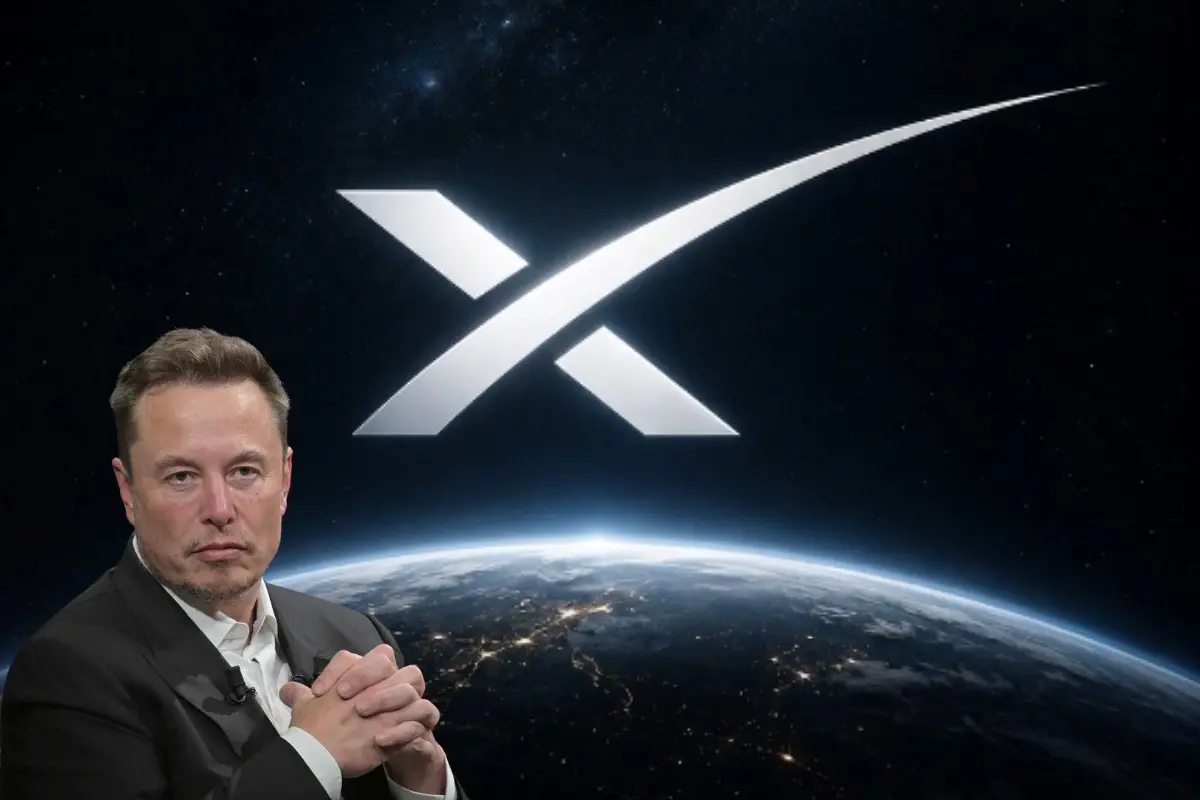
New Delhi: Elon Musk’s Starlink has said it is ready to provide high-speed internet services in India, asserting that it has spent more than five years working with Indian regulators and industry stakeholders and has built dedicated infrastructure in the country with the requisite government approvals.
The statement, posted on X on Friday, came hours after Reliance Industries welcomed competition in India’s satellite communications market but stressed that all operators, including Starlink, must comply with the country’s laws and regulatory requirements.
The exchange marks another development in the public dispute over Starlink’s entry into India, with Musk accusing powerful business interests of attempting to restrict competition and Reliance defending the country’s regulatory framework.
Starlink says India infrastructure is ready
In its post on X, Starlink said it had built a network of dedicated systems, gateways and other infrastructure within the country to serve Indian internet traffic securely.
“Starlink is ready to connect India with high-speed internet,” the company said.
However, having infrastructure in place does not automatically authorise a company to begin commercial operations. Spectrum assignment and the fulfilment of security requirements remain key steps before satellite internet services can be launched.
Also read | ‘National security first’: RSS-linked group demands Centre deny entry to Elon Musk's Starlink
What Reliance said in response to Musk
Reliance Industries, led by Mukesh Ambani, said it welcomed competition in satellite communications, including from Starlink, but maintained that every operator must follow Indian laws and policies.
The company cited Jio’s entry into the telecom market in 2016, saying it had grown from having no customers to serving more than 530 million users.
“At Reliance, we have never feared competition. We see it as the truest test of who serves the customer best,” the company said.
Reliance also pointed out that Jio’s own satellite services were awaiting clearances, arguing that the same regulatory process applied to Indian and foreign applicants.
The statement followed Musk’s criticism of the Indian telecom landscape. In recent posts on X, he alleged that vested interests were attempting to block Starlink’s entry and argued that greater competition would benefit Indian consumers by expanding their choices.
Musk also accused existing players of making contradictory arguments about Starlink’s potential impact on the market.
Why Starlink cannot launch services yet
Union Communications Minister Jyotiraditya Scindia has said three ventures- Starlink, Reliance’s Jio Satcom and Bharti-backed Eutelsat OneWeb- are in the process of securing the approvals required for commercial satellite communications services.
The government has maintained that operators must satisfy regulatory and security conditions before launching services. Spectrum allocation and the finalisation of a revenue-based charging framework are also central to the process.
The distinction between a satellite communications licence and permission to begin commercial operations is crucial. A licence alone does not mean a company can immediately start offering services to customers.
Scindia has said the government is close to finalising the pricing framework for satellite communications. The remaining requirements will determine when individual operators can begin commercial operations.
Also read | ‘Prime Minister Ambani’: Elon Musk launches scathing attack over Starlink's blocked entry in India
OneWeb and Jio are also in the race
The contest extends beyond Starlink and Reliance. Bharti-backed Eutelsat OneWeb is also seeking permission to launch commercial satellite internet services in India.
Bharti Airtel Chairman Sunil Mittal recently said OneWeb was significantly ahead of Starlink in the approval queue, arguing that his company had applied five years ago and had its ground network ready for three years.
Amazon’s Project Kuiper has also expressed interest in the Indian market.
The competition comes as Reliance expands its own satellite ambitions. The company is developing plans for a constellation of around 1,600 low-Earth-orbit satellites aimed at extending connectivity to remote areas, including villages with limited access to conventional broadband.
Last year, Reliance and SpaceX signed an agreement to explore ways to bring Starlink services to Indian customers through Jio’s retail network.
For consumers, the key question remains when satellite internet services will become commercially available and what they will cost. While Starlink says its India infrastructure is ready, the timing of its launch will depend on the completion of the required regulatory and operational steps.
(With agency inputs)