World Turtle Day 2025: Why the ancient species under threat?
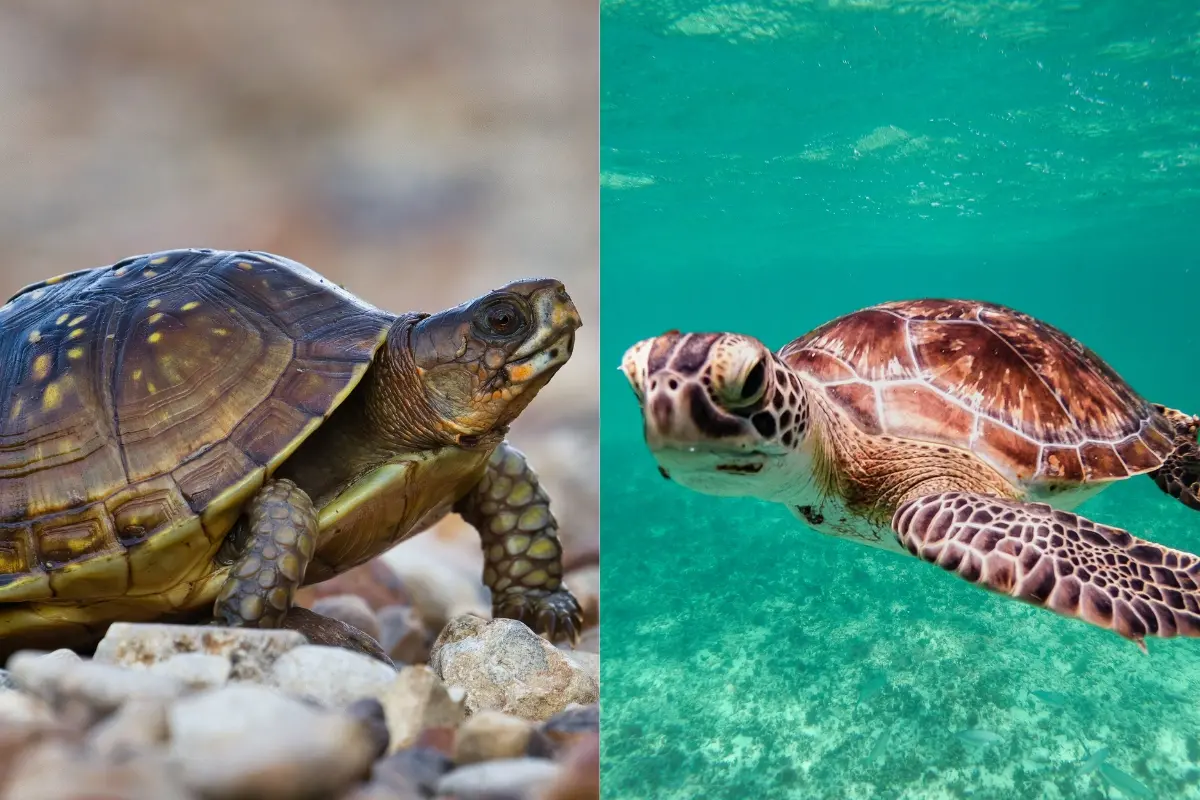
World Turtle Day, observed annually on 23 May, is dedicated to the protection and conservation of turtles, tortoises, and their rapidly disappearing habitats.
First celebrated in 2000, the day was initiated by the American Tortoise Rescue (ATR), founded by Susan Tellem and Marshall Thompson, to raise awareness about the importance of these ancient reptiles and urge humanity to support their survival.
Why turtles and tortoises matter
Turtles and tortoises play a crucial role in maintaining the health of ecosystems—sea turtles help preserve seagrass beds and coral reefs, while land tortoises shape their environments through grazing and burrowing. As part of the food web, turtles also contribute to ecological balance by controlling jellyfish populations and recycling nutrients.
Having inhabited the Earth for over 200 million years, these reptiles are among the oldest living species. Despite their longevity, they are now facing extinction due to accelerating human impact.
It's important to note the distinction: all tortoises are turtles, but not all turtles are tortoises. While turtles generally live in or near water, tortoises are primarily terrestrial. Despite their differences, both are vital to the balance of life in their respective habitats.
Threats to turtle survival
- Turtles and tortoises today face a variety of environmental threats, primarily due to human activities. These include:
- Habitat destruction from urban expansion and coastal development
- Pollution, particularly plastic waste which turtles often mistake for food
- Illegal harvesting and poaching for meat, eggs, or the exotic pet trade
- Turtleshell trade for jewellery and souvenirs
- Climate change, which affects nesting patterns and gender ratios in hatchlings
- Global warming, leading to rising sea levels and habitat loss
Many species of turtles and tortoises are now listed as endangered or critically endangered.
Global conservation efforts
World Turtle Day shines a spotlight on the critical work of conservationists and organisations that protect these animals and their habitats. Key actions include:
- Beach clean-ups to remove plastic waste
- Monitoring nesting sites during breeding seasons
- Public education campaigns to reduce demand for turtle-based products
- Rescue and rehabilitation of injured or stranded turtles
- Policy advocacy to strengthen wildlife protection laws
Raising public consciousness is essential. The greatest threat turtles face is plastic pollution, making it imperative for individuals to reduce plastic use and support community efforts to keep natural habitats clean.
What you can do to help
Every small action contributes to the survival of turtles. Here’s how you can make a difference:
- Avoid leaving rubbish on beaches; always clean up after yourself
- Turn off beach lights at night during nesting seasons to prevent disorientation
- Support turtle conservation groups through donations or volunteering
- Avoid buying products made from turtle shell or tortoise skin
- Respect nesting sites and report injured turtles to local wildlife authorities
- Educate others on social media or in your community
- Participate in World Turtle Day events, beach clean-ups, or awareness drives
Turtles and tortoises are not just ancient beings—they are essential to the health of marine and terrestrial ecosystems. World Turtle Day reminds us that protecting them is not just about conserving a species, but about safeguarding the planet’s biodiversity and ecological balance.
Let us take this opportunity to ban plastic, support conservation efforts, and amplify awareness so these remarkable creatures can thrive for generations to come. The survival of turtles is a reflection of the health of our planet—and it's our shared responsibility to ensure both endure.