World Meteorological Day 2026: Why weather science matters more than ever
New Delhi: World Meteorological Day is being observed globally on March 23, 2026, highlighting the critical role of weather, climate, and water sciences in everyday life.
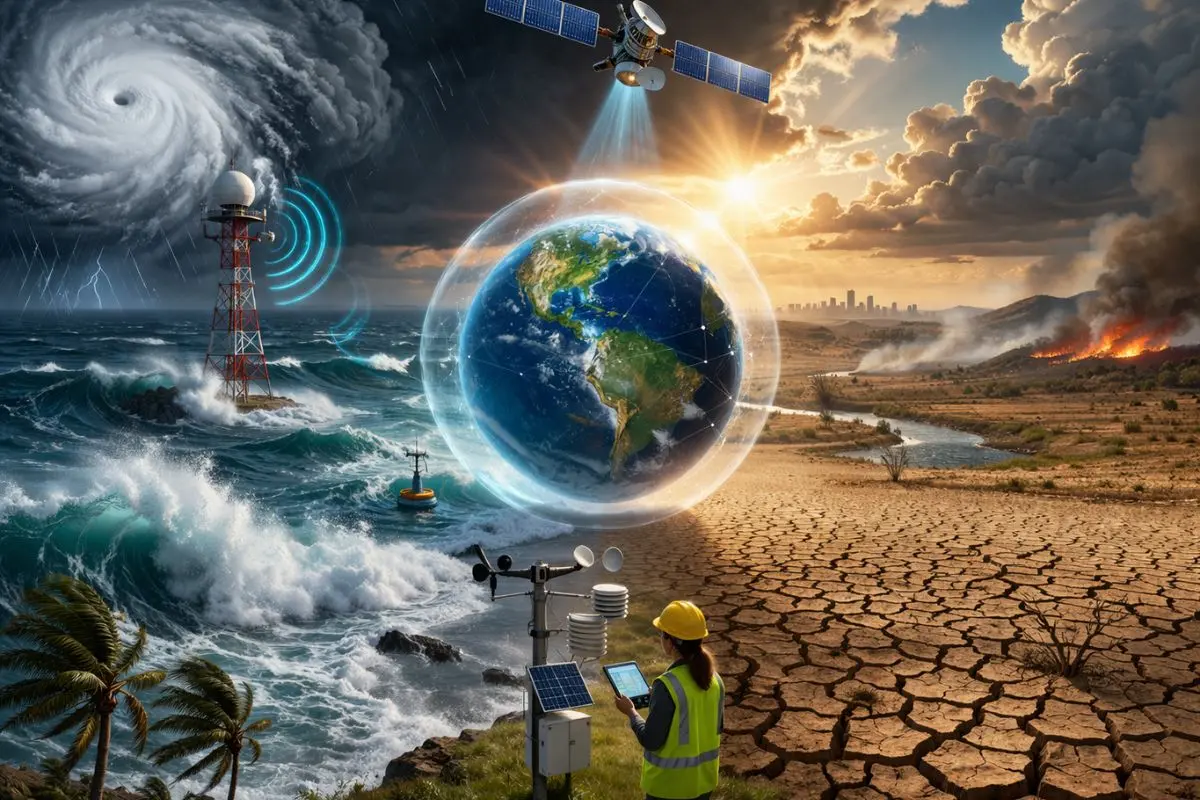
This year’s theme, “Observing Today, Protecting Tomorrow,” underscores how collecting and analysing environmental data today can help safeguard people, economies, and ecosystems in the future.
The day commemorates the establishment of the World Meteorological Organization (WMO), which was officially formed on March 23, 1950.
The organisation began operations in 1951 and has since played a central role in promoting international cooperation in meteorology, climatology, and hydrology.
The first World Meteorological Day was celebrated in 1961, and it has since become a key platform to raise awareness about environmental challenges.
Theme and significance
The 2026 theme focuses on the importance of systematic observation of the Earth through modern technologies such as satellites, radar systems, and automated weather stations.
These tools help scientists monitor atmospheric changes, predict extreme weather events and issue early warnings that can save lives and reduce economic losses.
With climate change intensifying the frequency and severity of extreme events like cyclones, floods, and heatwaves, accurate forecasting has become more crucial than ever.
According to global estimates, nearly 90 per cent of disasters are linked to weather, climate, or water-related hazards. Early warning systems and improved data-sharing mechanisms are therefore vital in building resilient communities.
Why the day matters
Weather and climate influence almost every sector, including agriculture, transportation, health and energy. Farmers rely on seasonal forecasts, airlines depend on accurate weather updates, and governments use climate data to plan infrastructure and disaster management strategies.
World Meteorological Day serves as a reminder of the need for global collaboration in tackling climate challenges. It also emphasises the importance of investing in observation networks and strengthening forecasting capabilities, particularly in vulnerable regions.
Role in climate awareness
Beyond forecasting, the day plays a significant role in promoting climate awareness. It highlights how long-term data collection helps scientists understand trends such as global warming, rising sea levels, and changing rainfall patterns.
The 2026 theme also draws attention to the role of communities, students and young people in spreading awareness and driving climate action. Educational institutions, research bodies and governments organise workshops, exhibitions and campaigns to engage the public in understanding weather science and environmental protection.
How it is observed
World Meteorological Day is marked through a range of activities worldwide, including educational programmes, public awareness campaigns, and scientific discussions.
Meteorological departments often release reports on climate trends and advancements in forecasting technologies. Social media campaigns using hashtags like #WorldMetDay also help amplify the message globally.
As the world faces growing climate uncertainties, the message of 2026 remains clear: observing the planet today is essential to protecting the future.