Could Trump’s Gulf drilling plans push Rice’s whales to extinction?
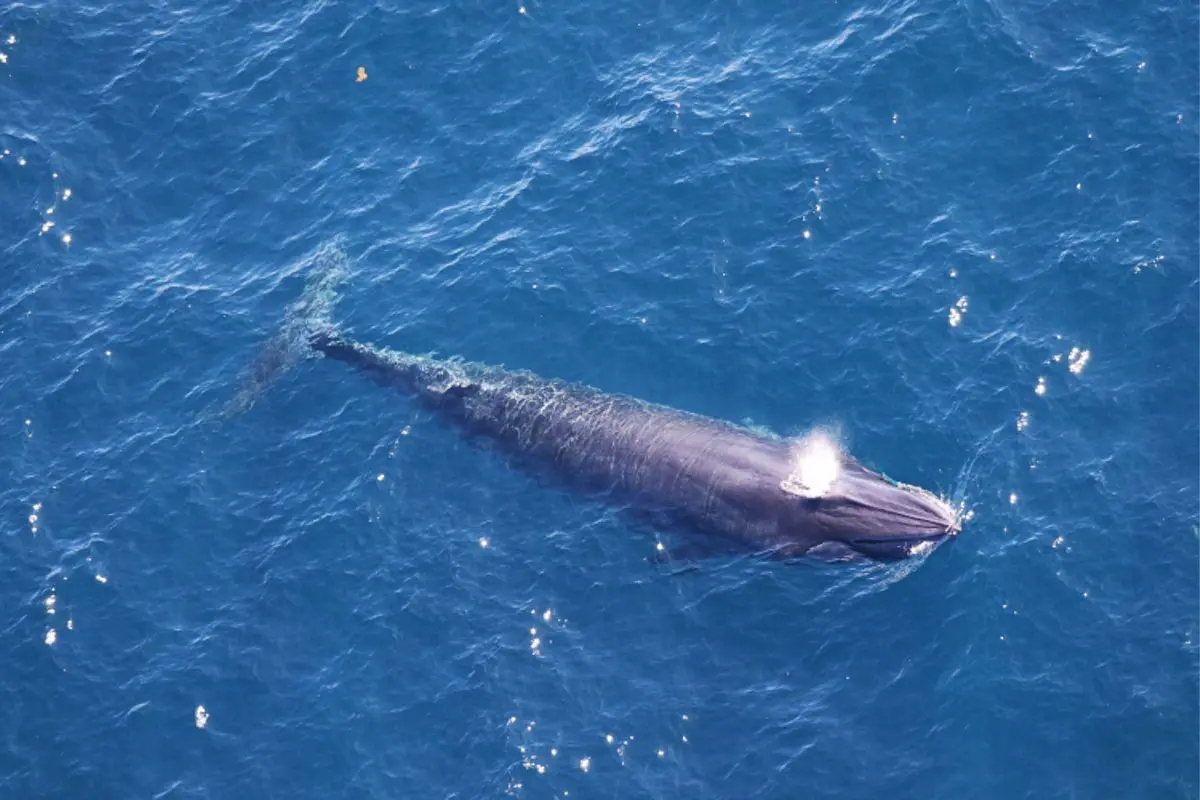
One of the world’s rarest whales, the Rice’s whale, is found only in the Gulf of Mexico. Scientists warn that proposed oil and gas drilling in the area by the Trump administration could push the species closer to extinction.
Endangered Rice’s whales live their entire lives in the gulf, where they face threats from vessel strikes, noise pollution, oil spills, and climate change. Experts say all these risks could increase with expanded drilling. Other vulnerable species, including threatened manatees and endangered sea turtles, could also be affected.
National security and endangered species
As energy prices rise due to the ongoing war in Iran, Defence Secretary Pete Hegseth has cited national security to seek an exemption from endangered species laws. These laws make it illegal to harm or kill species on the protected list.
The Interior Department will consider the request on Tuesday during a meeting of the rarely convened Endangered Species Committee, often called the “God Squad.” This committee has the power to approve federal projects even if they could lead to species extinction. The department did not immediately respond to requests for comment.
A species on the edge
Rice’s whales are the only whale species to reside year-round in the Gulf of Mexico. Scientists estimate there are fewer than 100 whales left, and possibly fewer than 50. Recognised as a distinct species in 2021, these whales typically inhabit a narrow area in the northeastern part of the gulf, in waters 100 to 400 metres deep.
Rice’s whales are selective feeders, diving to the gulf floor during the day for fatty fish such as silver-rag driftfish and resting near the surface at night. Jeremy Kiszka, a biological sciences professor at Florida International University, explained that the species is “living on the edge” due to its specialised diet and small home range.
Threats from drilling and climate change
Kiszka noted that the whales’ specific feeding behaviour could be disrupted by increased drilling.
Vessel strikes at night, changes in prey distribution caused by climate change, and noise pollution could all interfere with their foraging.
A significant portion of the population is believed to have been killed by the 2010 Deepwater Horizon oil spill.
“What we see today is just a species that is unlucky in many ways: small home, specialised diet, and living in a place that is not easy in the first place,” Kiszka said.
Letise LaFeir, chief of conservation and stewardship at the New England Aquarium, added that many climate change impacts are already “baked in” and will persist even if fossil fuel use were halted today.
She warned that the Trump administration’s proposal “is just compounding the immediate risks locally and the longer term risks.”
Broader implications for marine life
Although the government filing specifically mentions Rice’s whales, scientists caution that other threatened and endangered species could also suffer from oil spills and industrial activity. LaFeir explained that the ocean is interconnected, so harmful effects in one area can impact species across the waters.
For example, hundreds of endangered sea turtles, including Kemp’s Ridley and loggerheads, are rescued and released into the Atlantic each year, returning to their nesting grounds in the Gulf of Mexico.
Michael Jasny, director of the Natural Resources Defense Council’s marine mammal protection project, emphasised that risks extend beyond whales to include manatees, whooping cranes, seabirds, sperm whales, and endangered corals.
The role of the “God Squad”
The Endangered Species Committee was created in 1978 to allow exemptions from the Endangered Species Act if a project’s economic or national interest outweighed species protections. The seven-member panel is led by the secretary of the Interior, with five other federal officials and a shared vote for affected states. Approval requires five votes.
The committee has only granted exemptions twice: once for a dam on the Platte River affecting whooping cranes and once for logging in northern spotted owl habitat, though the latter request was withdrawn following lawsuits.
Jasny fears the administration is attempting to remove rigorous scrutiny from future exemptions, allowing them to be invoked for nearly any federal project. “If you can declare an emergency to just kill sea turtles and manatees and whales in the Gulf, no species is safe,” he warned.
With agency inputs