Dr. Jane Goodall: Champion for chimps and conservation
United Nations declared May 22 as the annual International Day for Biological Diversity/ Biodiversity to increase understanding and awareness among the public on the pertaining biodiversity issues. Renowned American biologist and conservationist Dr. E O Wilson, known as “the Father of Biodiversity” coined the term biodiversity. Biodiversity or biological diversity refers to the varieties of plants, birds, animals, microorganisms and all other living forms in natural habitats, and their mutual interactions for co-existence. This year the theme of International Biodiversity Day is “Be part of the plan”, which is a call for action to halt and reverse biodiversity losses and support the global vision of achieving Sustainable Development Goals (SDGs) for maintaining harmony with nature by 2050.
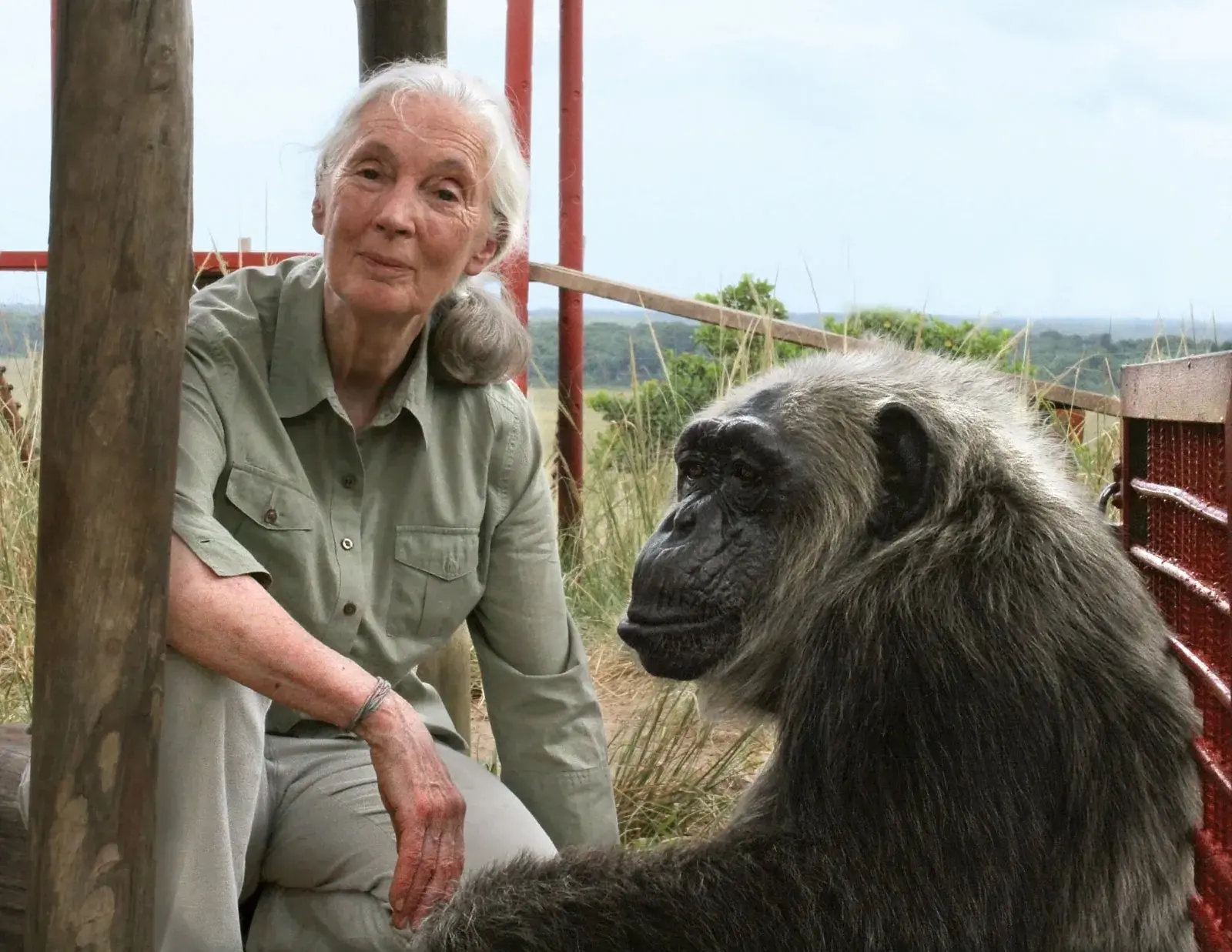
"We become the stories we tell ourselves" quotes the American novelist Michael Cunningham. That's the life of the 90-year-old renowned primatologist (scientist studying non-human apes) and conservationist Dr. Jane Goodall. Born to a middle-class family in Bournemouth, England, she was curious about the natural world since childhood. The Tarzan stories and love for Africa brought her to Gombe in Tanzania. July 14, was the day in the sixties when the 20-year-old Jane Goodall set foot in Gombe National Park to study wild chimpanzees. With her astounding perseverance and patience, Jane earned the trust of the Chimps and the forest-dwelling community in Gombe. There she got engrossed in observing and understanding the behavioral patterns of Chimpanzees. Her studies exposed the abilities of chimps in tool making, altruism (disinterested and selfless concern for the well-being of others), emotions including humour, and their social life. Her research on Chimpanzees continues today through Jane Goodall Institute’s Gombe Stream Research Center as the world's longest-running study of wild chimpanzees. Since 2002, Dr. Jane Goodall has been a United Nations Messenger of Peace.
Chimpanzees having the scientific name Pan troglodytes are considered brilliant animals. The similarity in genetic material or DNA between chimps and humans is 99%. Like humans, they can recognise themselves* in the mirror, which indicates their ability for abstract thinking. Chimpanzees are classified as an endangered species in the IUCN Red List of Threatened Species. Since 2018, July 14 has been celebrated as World Chimpanzee Day, under the initiative of the Jane Goodall Institute (JGI) global networks, Roots and Shoots offices, interested NGOs and individuals, to create awareness of the need to protect, care and conserve Chimpanzees worldwide, in both wild and in captivity. The World Wildlife Fund (WWF) estimates 1.72 -2.99 lakh Chimpanzees in the wild and their number is declining worldwide.
After many years of research, Jane understood that conserving Gombe and its animals from log traders needs full-fledged support and the holistic involvement of the local community. Hence in 1994, she and her team developed a community-driven programme -Lake Tanganyika (now called Tanzania) Catchment Reforestation and Education- TACARE project evolved to support the human inhabitants around the Gombe National Park. It offered better health conditions, scholarships for education and awareness programmes about family planning, HIV/AIDs and microfinance support to women groups for livelihood. Over time as the community standard of living improved, the villagers around Gombe National Park were self-aware of the need for conservation, they maintained land areas for trees that helped chimps inside the park to have leafy corridors to travel, easing their chances of genetic mixing with other remnant species in the wild, but outside the park. The TACARE or “take care” approach continues to support the villagers in providing updated information and inputs that ensure sustainable living and conservation of their natural resources.
Besides the conservation of Chimpanzees, Goodall made sincere efforts to raise a new generation of youngsters who do care for nature through the Roots and Shoots programme. The programme currently active in 140 countries, is meant to bring together youth from preschool to University level, to work together as a team on environmental, conservation and humanitarian issues. Roots and Shoots programme in the USA, since 2014, has been offering mini-grants in groups to implement youth-led service-learning campaigns and celebrate their achievements. A free online e-learning course “Growing Compassionate Leaders” is also available for youngsters.
Safeguarding our existing natural resources for posterity is crucial in an era of biodiversity loss, global warming and climate change. Citizen Science, community science or voluntary monitoring is a newly evolving concept in science, where the public, can voluntarily participate in scientific research. Children and youngsters with an aptitude and curiosity for exploring science can volunteer and collaborate with scientists and research institutions. Through citizen science, actively involving the younger generation in conservation prospects we shall organise mindful interventions and initiatives to “be part of the plan” in preserving and protecting our nature on this International Biodiversity Day.
(The author is Safeguard Specialist, KERA Project, Department of Agriculture.)
References
*An 8-year-long study of mirror self-recognition in chimpanzees; Veer et al, Neuropsychologia, vol 41-2, 2003, pg 229-234.