Against the odds, one of 16 satellites survives ISRO’s failed PSLV-C62 launch
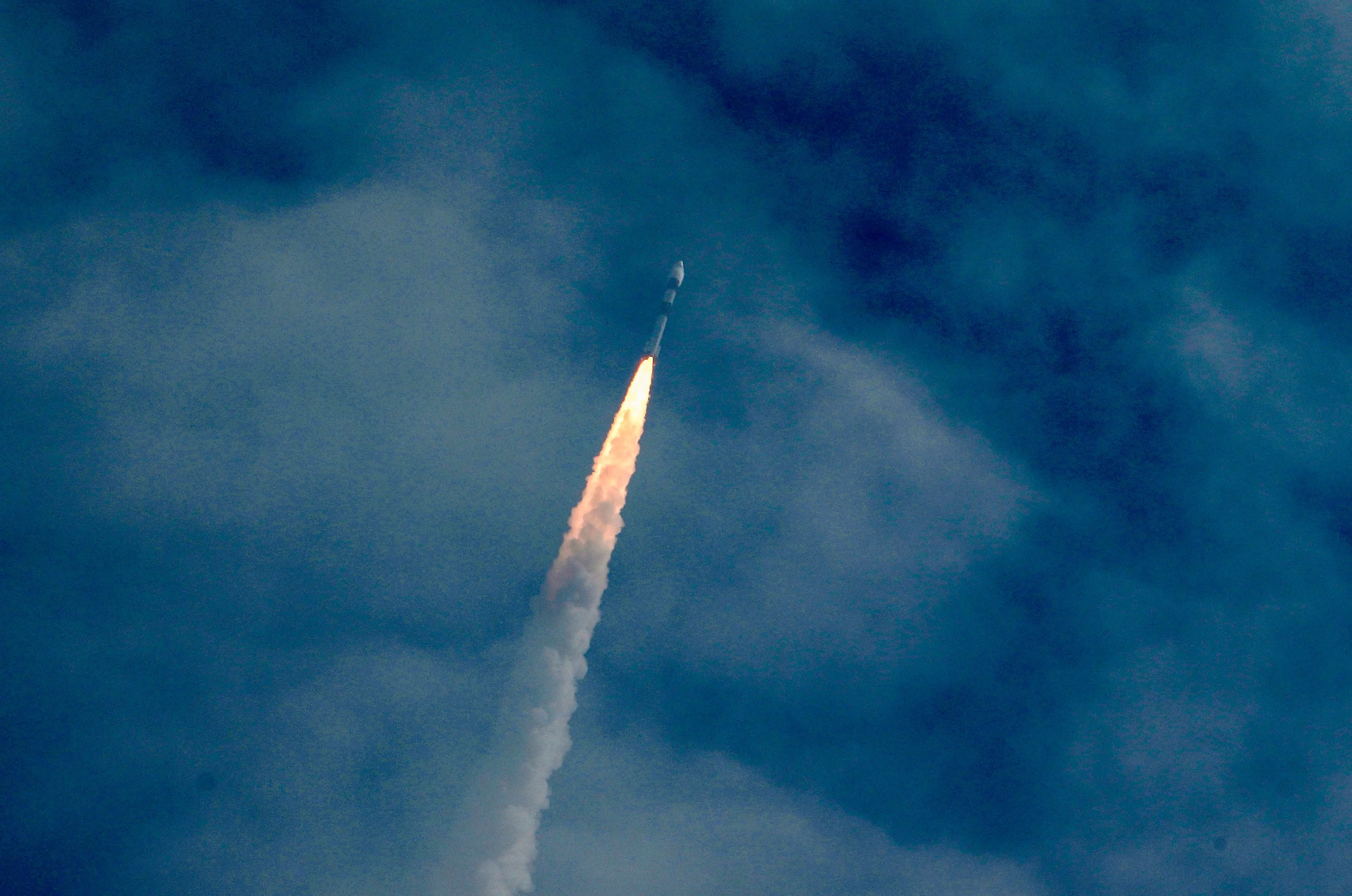
A mission that appeared to end in failure for the Indian Space Research Organisation (ISRO) has reportedly produced one unexpected survivor. Of the 16 satellites launched aboard the PSLV-C62 rocket on Monday, only a small capsule known as ‘KID’ managed to separate successfully and transmit data from space.
The Polar Satellite Launch Vehicle (PSLV) lifted off from the Satish Dhawan Space Centre in Sriharikota, Andhra Pradesh, at 10.18 am on Monday as planned. Standing 44.4 metres tall, the four-stage rocket was carrying a diverse payload under ISRO’s EOS-N1 mission, which marked the agency’s first launch of 2026.
Soon after the launch, ISRO confirmed that the mission had encountered problems during flight, raising fears that the entire payload—including high-value Earth observation and defence satellites—had been lost. However, Spanish space startup Orbital Paradigm later revealed that its Kestrel Initial Demonstrator (KID) capsule had defied expectations.
The company on Tuesday announced that KID had successfully detached from the launch vehicle, powered on, and sent back telemetry data. The capsule’s performance stood in sharp contrast to the fate of the remaining payload, which failed to reach its intended orbit.
Sharing the development on X (formelry Twitter), Orbital Paradigm wrote, “Our KID capsule, against all odds, separated from PSLV C62, switched on, and transmitted data. We're reconstructing trajectory. Full report will come.”
According to its website, Orbital Paradigm focuses on building technology that supports what it describes as “space industrialisation”. Its long-term goal is to make returning cargo from orbit to Earth more frequent, affordable, and technically reliable. This involves developing heat-resistant capsules capable of surviving atmospheric re-entry.
The KID capsule was designed as a technology demonstrator for the company’s upcoming vehicle, named ‘Kernel’. Once operational, Kernel is expected to transport payloads weighing up to 120 kg from orbit back to Earth.
15 satellites that failed to reach orbit
Apart from KID, the PSLV-C62 was carrying 15 other satellites. These included the EOS-N1 Earth observation satellite and Anvesha, a surveillance satellite developed by the Defence Research and Development Organisation (DRDO). Anvesha was intended to strengthen India’s defence capabilities by providing imaging data useful for monitoring enemy troop movement and infrastructure.
The payload also comprised AyulSat, a dedicated tanker satellite, along with multiple small satellites built by Dhruva Space and student teams.
What caused the mission failure
ISRO later detailed the sequence of events that led to the failure. According to ISRO Chairman V Narayanan, the rocket’s first and second stages performed normally. Problems began during the third stage of flight.
ISRO Chairman V Narayanan said, “Disturbances in the rocket and later deviation from the flight path were observed when strap-on motors were providing thrust during the flight's third stage to propel the vehicle to the intended altitude”.