New research reveals Stonehenge's 'altar stone' originated in Scotland, not Wales
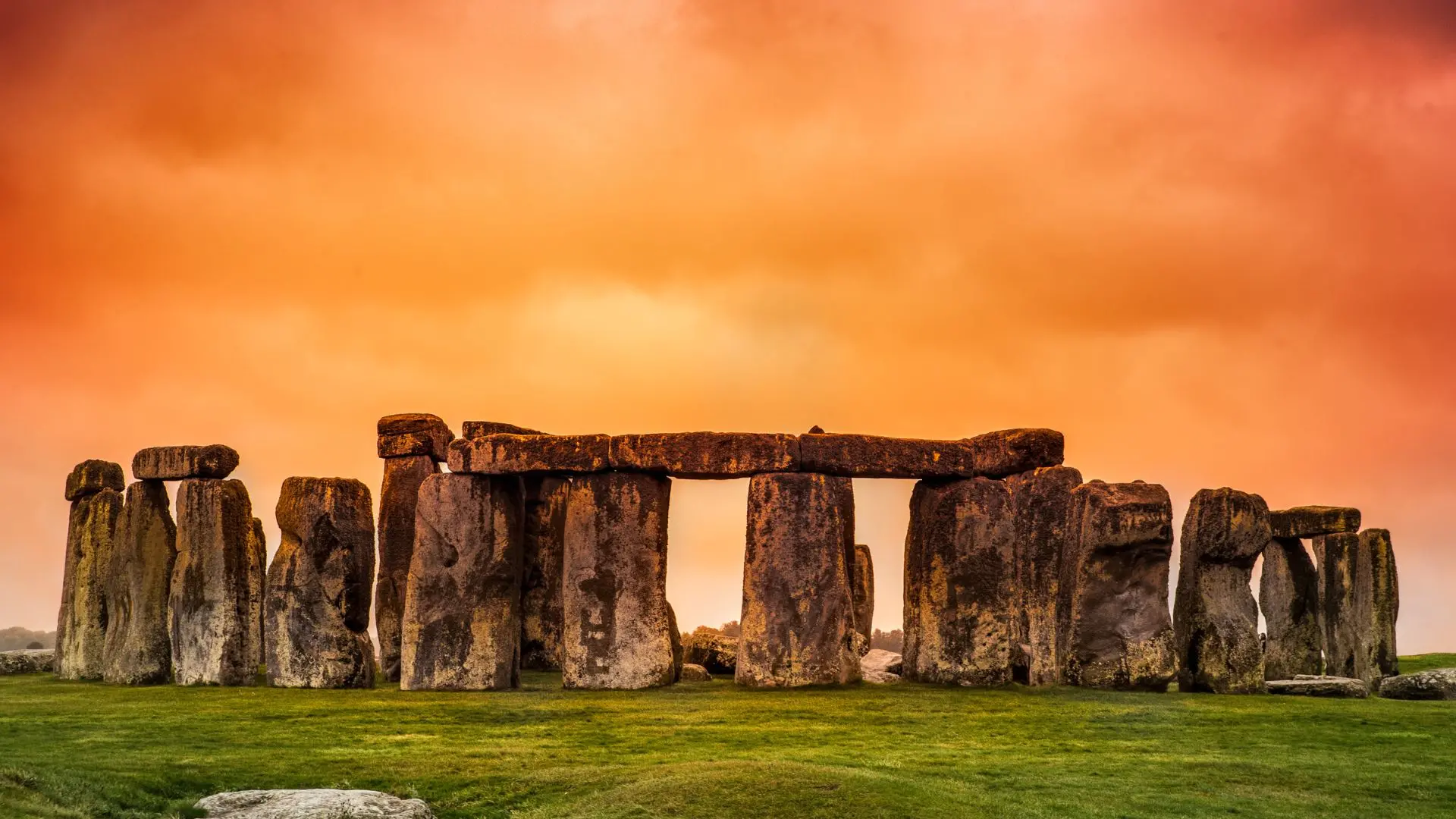
Washington: Stonehenge’s ancient origins remain a mystery, but researchers have made a massive breakthrough in understanding how the famous stone circle was built.
A unique 16-foot (5-metre) stone lying flat at the centre of the monument was transported to southern England from northeast Scotland, according to a study published Wednesday in the journal Nature. It remains uncertain whether this stone was brought by boat or overland, a journey of more than 460 miles (740 kilometres).
“It’s a surprise that it’s come from so far away,” said University of Exeter archaeologist Susan Greaney, who was not involved in the study.
For over a century, scientists believed that this central sandstone slab, once known as the “altar stone,” came from Wales. However, a study last year revealed that the stone did not match the geological profile of Welsh sandstone. This new research has now identified its true origin.
The research team couldn’t take new samples from the Stonehenge site, so they analysed mineral samples from rocks collected in past excavations, some as far back as the 1840s. They found a match with sandstone from the Orcadian Basin in northeast Scotland, which includes parts of the Scottish peninsula and the Orkney Islands.
“That geological ‘fingerprint’ isn’t repeated in any other area of sediment in the U.K.,” said Aberystwyth University geologist Nick Pearce, a study co-author.
Greaney said that the challenge of transporting this massive stone over such a long distance highlights the impressive coordination and cultural ties between ancient Britain’s regions.
Stonehenge, built around 5,000 years ago, was constructed in phases with stones brought to the site over time. The arrangement of the stones aligns with the summer solstice sunrise. The exact role of the altar stone, now buried under other rocks, is still unknown.
“Stonehenge isn’t a settlement site, but a place of ceremony or ritual,” said Heather Sebire, senior curator at English Heritage, who was not involved in the study. She said that past excavations have not revealed evidence of feasting or daily life at Stonehenge.
However, previous research has shown cultural links between the Stonehenge area and Scotland’s Orkney Islands, while other stones at the site were sourced from western Wales.
While Britain is dotted with other Neolithic stone circles, “the thing that’s unique about Stonehenge is the distance from which the stones have been sourced,” said Aberystwyth University’s Richard Bevins, a study co-author.
Agencies