Neuralink secures FDA approval for first US pivotal brain-implant trial
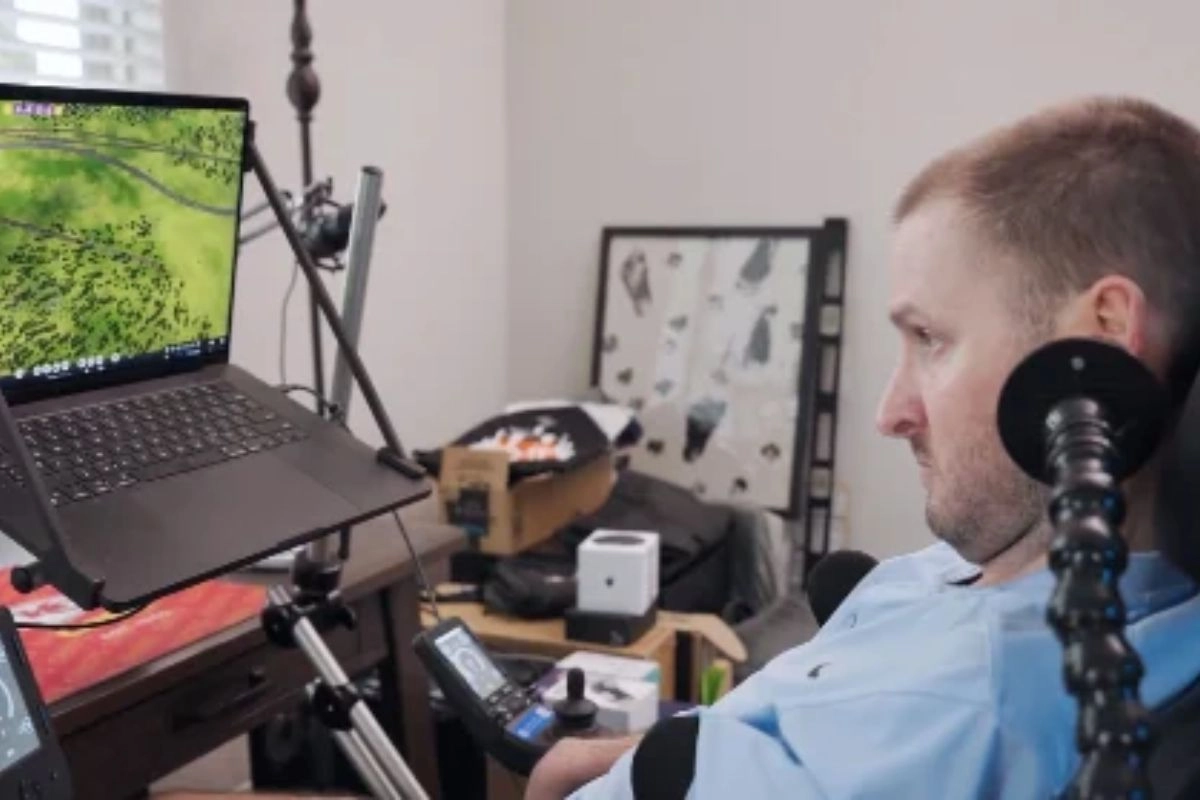
Neuralink, owned by Elon Musk, has been granted US Food and Drug Administration (FDA) approval to begin LINK, the first pivotal clinical trial in the United States for an implantable brain-computer interface (BCI). The research will assess how safe and effective the company's technology is for individuals living with severe paralysis resulting from amyotrophic lateral sclerosis (ALS).
Announcing the news on November 25, Neuralink noted that the trial builds on its ongoing early feasibility studies across the US, Canada and the UK, which have included over 30 participants who have received the implant. Collectively, these users have logged thousands of hours using the brain-computer interface in everyday settings.
The LINK Pivotal Study will investigate how well participants can operate digital devices using thought alone. Neuralink stated that the research will examine functional outcomes that could support greater daily independence, alongside the implant's long-term safety and reliability.
According to Neuralink, recruitment for the study has now opened, with plans to expand across several US clinical locations.
We’ve received FDA approval to launch LINK, the first pivotal trial for an implantable brain-computer interface in the US. This builds off of our work with 30+ participants with Neuralink to date.
Those with ALS may be eligible. To learn more:https://t.co/dWhb5N4GdR pic.twitter.com/Vor7iXXCBA— Neuralink (@neuralink) November 25, 2026
Implant captures neural signals
The technology under evaluation relies on Neuralink's N1 Implant, which records brain activity via ultra-thin electrode threads positioned in the motor cortex – the area of the brain linked to movement.
The device picks up electrical activity tied to intended movements and converts those signals into commands that let users control digital devices. Participants can learn to guide a computer cursor simply by picturing hand movement, without moving their limbs physically.
Neuralink's ongoing Telepathy programme has already shown cursor control and mouse actions such as left, right and middle clicks. Users have also relied on the system for tasks including sending messages, browsing the web, coding, producing digital art and playing video games.
Placement of the implant is carried out by Neuralink's R1 surgical robot, which inserts the delicate electrode threads into brain tissue. Housed inside the skull without external wires or a battery pack, the N1 unit transmits data wirelessly to a computer and recharges wirelessly through the scalp.
Neuralink's trial details state that participants undergo the procedure under general anaesthesia. Its published patient journey covers health screening, brain scans, implantation, device training and follow-up evaluations.
Pivotal trial marks a major step
This study moves Neuralink beyond its earlier human trials. Its PRIME programme was set up as an early feasibility study to test the initial safety and performance of the N1 Implant, the R1 Robot and supporting software among people with paralysis.
A pivotal trial is a later-stage clinical study designed to gather evidence on a medical device's safety and effectiveness for a defined use. Such findings can support a future regulatory submission, though completing the trial does not guarantee marketing authorisation.
Crucially, FDA clearance to start LINK does not mean Neuralink's implant is approved for general clinical care. The firm continues to classify its devices as investigational, restricted to authorised clinical studies.
Neuralink's study guidance lists adults with ALS as eligible for the pivotal trial. Its published participation schedule also sets out follow-up assessments running up to 24 months after surgery, enabling researchers to track safety and device performance over time.
In its announcement, the company did not share the target number of participants or list specific clinical trial sites.
The development could help Neuralink build the clinical evidence needed for a later regulatory filing. Even so, the pivotal study must show that the system delivers dependable digital-device control while keeping an acceptable safety record over a prolonged period.