How are ‘spa baths’ helping frogs survive deadly fungus?
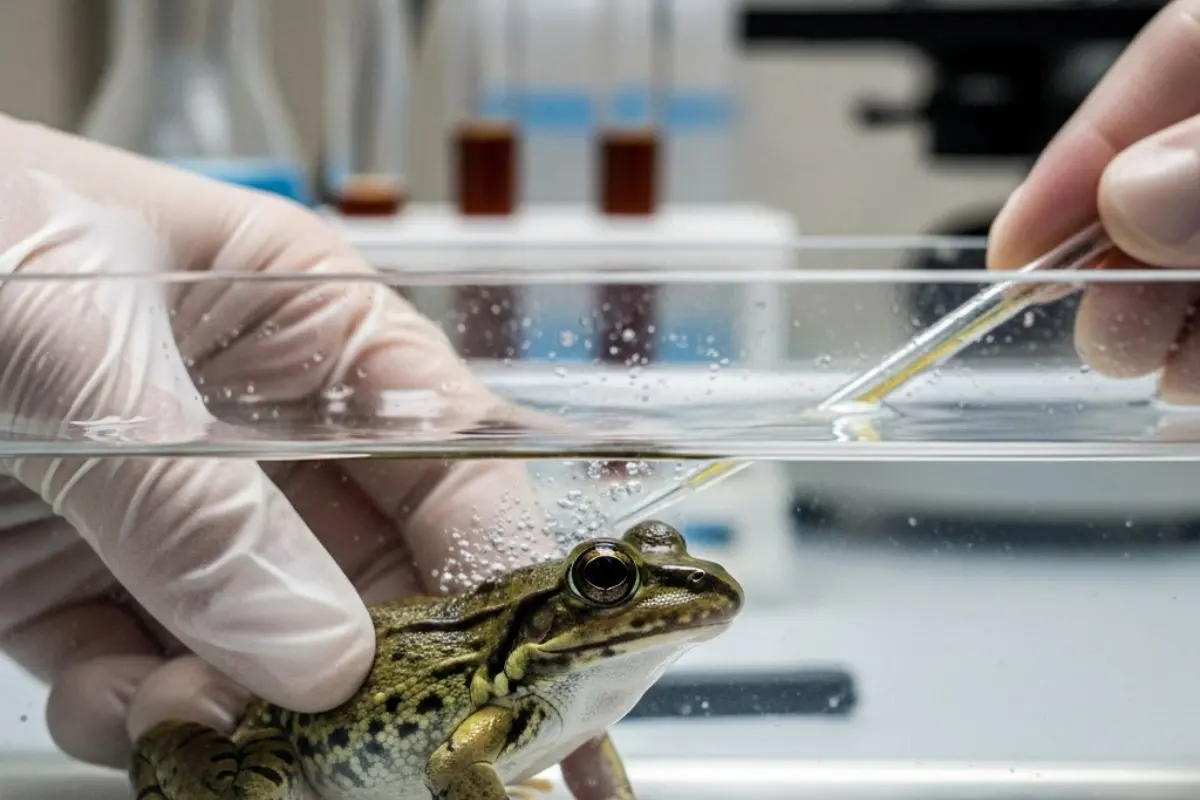
Scientists are turning to "spa baths" and solar-powered saunas to save the world's frogs from a catastrophic fungus. CNN reported on Wednesday that these innovative heated shelters and medicated dips are a crucial lifeline for species on the brink of extinction.
A deadly skin-eating invader
A waterborne fungus called chytrid is currently devastating amphibian populations globally. It attaches to their skin and dissolves the protective barriers frogs need to breathe and regulate water. This puts immense pressure on their hearts, often causing cardiac arrest. It is a silent killer. The CNN report notes this pathogen has already driven roughly 90 species to extinction. It is now considered the most destructive infectious disease in vertebrate history.
Heated bricks and medicated dips
In Australia, researcher Anthony Waddle uses masonry bricks and simple greenhouses to create "frog saunas." When these shelters reach 30 degrees Celsius, the fungus can no longer survive. Frogs using these saunas are 23 times more likely to survive future infections. Meanwhile, in California, Dr Jonah Piovia-Scott is using antifungal "baths." Young frogs are soaked for five minutes a day to clear the infection. According to the report, those treated are four times more likely to survive their first winter. These methods are essential "band-aids" while species evolve natural resistance.
Why frog survival matters
Frogs are more than just garden visitors. They act as natural pest control by eating mosquitoes that carry diseases like malaria. Furthermore, their skin contains thousands of compounds with potential medical benefits for humans. Scientists have already seen hints of that potential: a protein found in South Indian frogs has been shown to protect mice from influenza, preventing infection before it takes hold. The CNN report suggests that by saving frogs, we may also be protecting future human health. This global effort aims to buy these creatures the time they need to adapt and survive on their own.