Why the night sky over Ladakh’s Hanle is drawing global attention
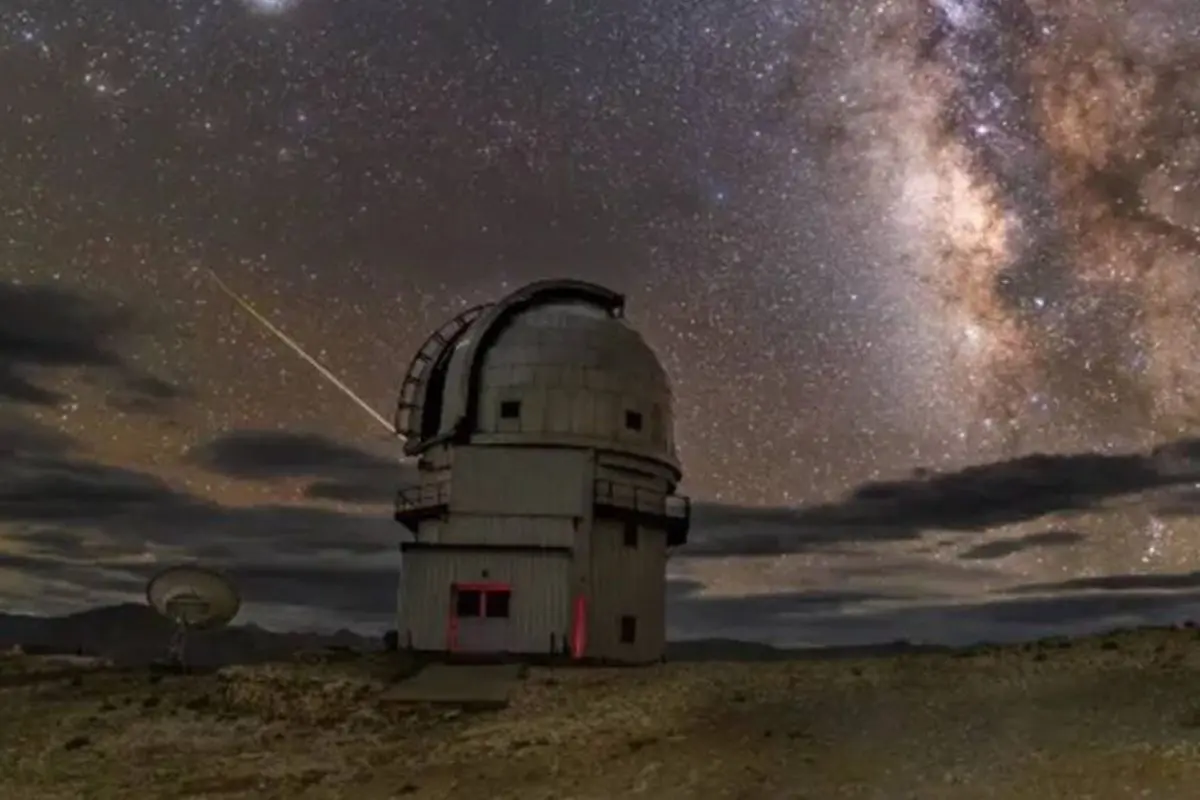
In the remote high-altitude deserts of eastern Ladakh, the night sky over Hanle Dark Sky Reserve has become a focal point of global attention. On the nights of January 19 and 20, 2026, observers witnessed a rare blood-red aurora, a spectacle usually seen near polar regions, stretching across the starlit heavens above Hanle village.
This extraordinary celestial display was triggered by the strongest solar radiation storm since 2003, making it both an awe-inspiring and scientifically significant event.
The auroral display was visible from late evening (around 9:30 PM) through midnight (about 12 AM) over the central Hanle plateau, particularly on clear, moonless nights when the sky is darkest.
According to sky-watchers and local astrophotography posts, the glow from this rare geomagnetic storm was most intense toward the northern horizon, offering a unique opportunity to view auroral phenomena at an unusually low latitude.
Where to See It:
The Hanle Dark Sky Reserve, near the Indian Astronomical Observatory (IAO), is the prime location.
Nearby regions such as Pangong Tso’s Merak village and surrounding high-altitude valleys in eastern Ladakh also provide excellent viewing points when conditions align.
The reserve’s extremely low light pollution and high altitude make it one of the best stargazing sites in India — ideal for seeing faint celestial events, meteors, and the Milky Way even when auroras are absent.
Apart from the rare aurora, Hanle’s clear night skies continue to draw astro-tourists, photographers, and science enthusiasts from across India and the world.
Annual events such as the Dark Sky Reserve Star Party bring amateurs and experts together for guided stargazing sessions, workshops, and night sky photography.
For travellers planning a visit specifically to catch the auroral glow or just the Milky Way, late evening to midnight on clear winter nights (especially between October and March) offers the best chance — though such aurora sightings remain rare and depend on intense solar activity.
Reaching this sparsely populated frontier requires preparation — Hanle lies about 270 km east of Leh, at an elevation above 4,200 meters, and visitors need permits and acclimatization for high-altitude travel.
From scientific marvel to tourist magnet, Hanle’s night sky continues to weave stories where Himalayan wilderness meets cosmic wonder.