Could freshwater sponges and their microbes clean our rivers?
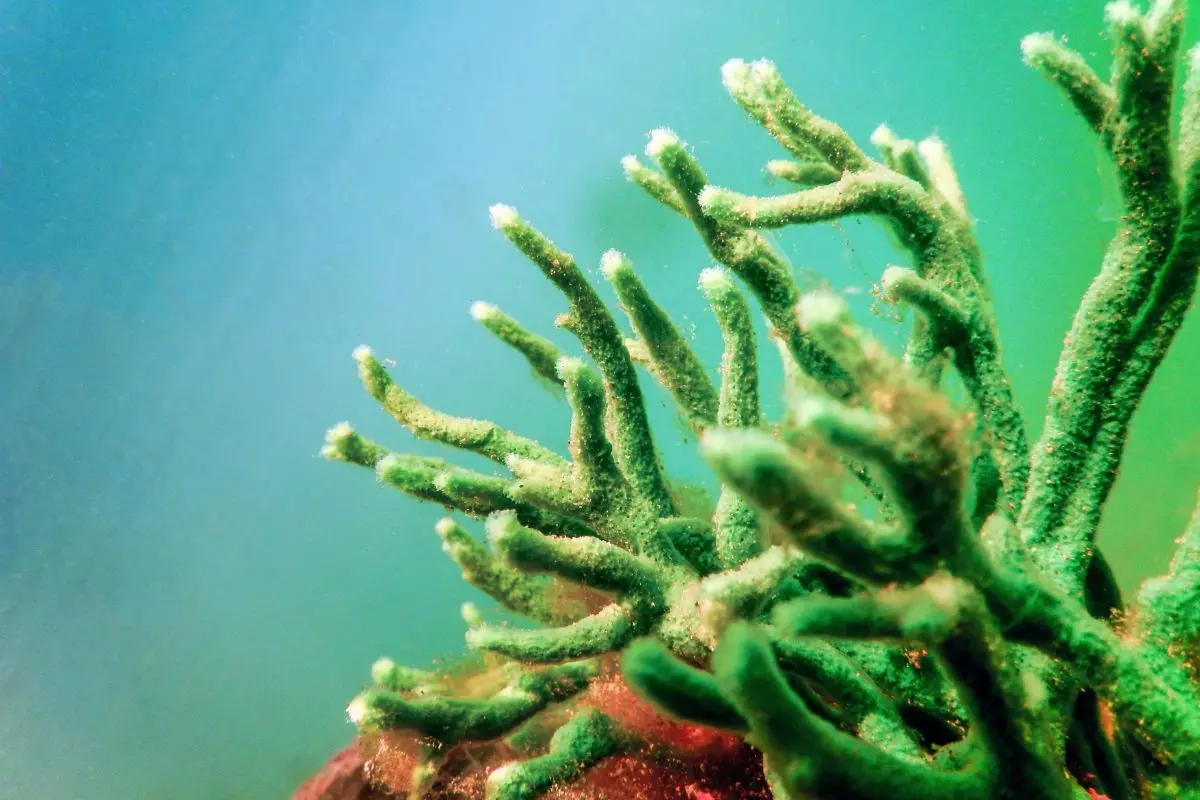
Freshwater sponges, some of the earliest multicellular organisms on Earth, might hold the key to tackling water pollution. Known for filtering large volumes of water and supporting ecosystem health, these sponges host diverse microbial communities that play crucial roles in keeping aquatic habitats balanced. Recent research suggests they could serve as natural bioindicators and even help absorb toxic metals from polluted waters.
What did the study find?
Scientists from the Bose Institute in India studied freshwater sponges from the Sundarban delta to understand their potential in monitoring and cleaning polluted waters. They discovered that these sponges could accumulate high levels of toxic metals such as arsenic, lead, and cadmium, showing a strong ability to concentrate pollutants.
The study also highlighted that the bacterial communities living in the sponges are different from those in the surrounding water. These bacteria have genes that allow them to transport metal ions, resist toxic metals, and even withstand antimicrobial compounds. This means the sponge-associated microbes not only survive in polluted conditions but actively help detoxify their environment.
Why are freshwater sponges important?
Beyond acting as natural water filters, freshwater sponges can indicate the health of aquatic ecosystems. Their ability to accumulate heavy metals and host specialised bacteria makes them effective bioindicators for tracking pollution levels. With heavy metal contamination common in the Gangetic plain and other regions, these sponges could be a natural solution for bioremediation and sustainable water management.
What does this mean for the future?
This research, supported by the DST SERB National Post-Doctoral Fellowship, also marks the first detailed study of bacterial diversity among freshwater sponges in the Sundarban region. It provides new insights into a relatively unexplored ecosystem and opens doors for eco-friendly water purification strategies.
This pioneering work broadens our understanding of microbial ecology and shows that even tiny sponges could have a big impact on the environment.