Can a pig kidney work in humans? Scientists get closer to making animal organs work
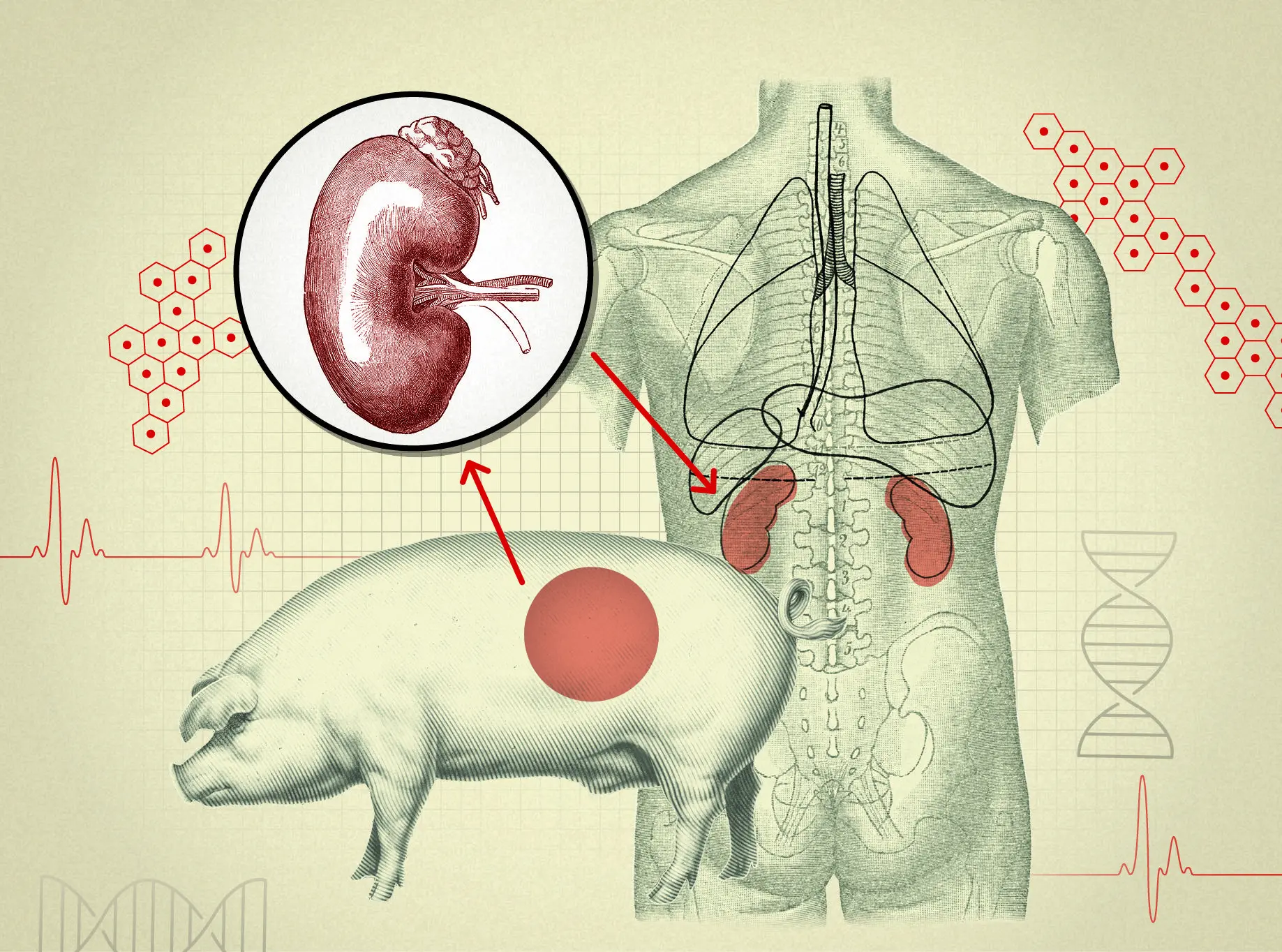
A pioneering new study by French and US researchers has shown how human immune cells interact with pig kidney tissue after transplants, showing rejection markers and throwing light on possible interventions. This marks a significant leap in animal-to-human transplantation, also known as xenotransplantation, which is poised to address the global organ shortage crisis.
The technology behind the study
Led by Dr. Valentin Goutaudier from the Paris Institute for Transplantation and Organ Regeneration & NYU Langone Transplant Institute, the research team found human immune cells in every part of the pig kidney’s filtering system, post transplant.
The study used cutting-edge spatial molecular imaging techniques to find the key molecular processes that could help overcome the human immune system’s rejection, which is the biggest challenge in xenotransplantation.
A bioinformatic pipeline was employed to distinguish human immune cells from pig structural cells, allowing for precise mapping of immune infiltration patterns.
Rejection begins rapidly, progressing over time
The findings of the study reaffirmed previous research, with early molecular signs of antibody-mediated rejection beginning as early as Day 10 and peaking at Day 33. It thus confirmed the fact that rejection starts rapidly but progresses over time.
Tracking the human body’s immune responses over 61 days, the team found a crucial window for targeted therapeutic intervention.
Notably, macrophages and myeloid cells were the most prevalent immune cell types across all time points, further confirming their role as key mediators in xenograft rejection.
While presenting the study at the European Society for Organ Transplantation (ESOT) Congress 2025 in London, Goutaudier explained, "Our study provides the most detailed molecular map to date of how the human immune system engages with a transplanted pig kidney.”
"By pinpointing specific immune cell behaviours and gene expressions, we can refine anti-rejection treatments and improve transplant viability," he added.
Therapeutic interventions weaken rejection
When targeted therapeutic interventions were introduced, immune-mediated signs of rejection were successfully weakened.
Combined with novel spatial insights into how immune cells interact with pig kidney tissue, this marks a major breakthrough -- paving the way for more refined anti-rejection strategies.
Scope for future research
The findings bring researchers one step closer to making genetically modified pig kidneys a viable long-term solution.
The next phase of the study will focus on optimising anti-rejection treatments, refining genetic modifications in donor pigs, and developing early detection protocols to monitor and manage rejection responses, said the team.
IANS