Abandoned mines emerge as bird-rich habitats in Delhi’s Asola-Bhatti: Study
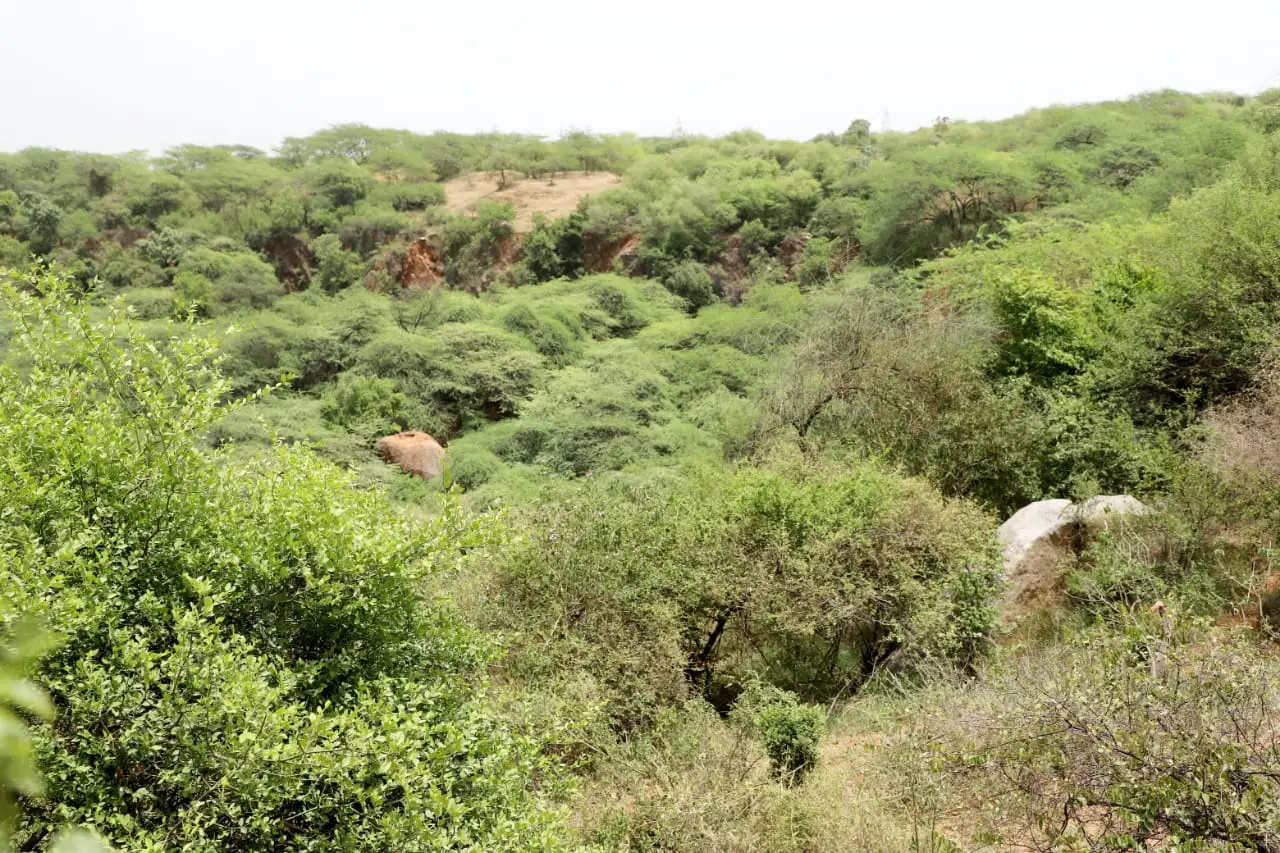
New Delhi: Abandoned mining areas in Delhi’s Asola-Bhatti Wildlife Sanctuary have emerged as the most bird-rich habitat among those studied, with researchers finding that former quarries now support a diverse combination of scrub, grassland, rocky terrain and water pools.
Researchers from the Wildlife Institute of India studied bird diversity across 15 habitat types in the sanctuary between January and December 2024 and recorded 130 bird species belonging to 20 orders and 55 families.
Parvaiz Yousuf, one of the researchers, said the abandoned mining areas have undergone significant changes since mining activities stopped.
“Earlier, these areas were under regular mining pressure. After mining stopped, human disturbance reduced, and nature slowly took over. Vegetation started recovering and many mining pits filled with water,” he told PTI.
The study was conducted by Parvaiz Yousuf, Mukesh Chand, Feba K S, Shubham Kumar Maletha, Rashi Nautiyal and Bhupendra Singh Adhikari, all associated with the Wildlife Institute of India.
According to the researchers, the abandoned mine areas now feature a mix of open ground, shrubs, grassland, rocky patches and water pools. This variety creates different habitats and resources, enabling bird species with varying ecological requirements to use the same landscape.
The abandoned mine habitat supported an estimated 46 bird species, the highest among the 15 habitats examined. Deep Lake followed closely with around 45 species.
Researchers attributed the high species richness in abandoned mines to their early-successional character, where recovering vegetation occurs alongside varied physical features.
In comparison, Lantana Woodland, dominated by the invasive plant Lantana camara, had an estimated richness of around 13 species. Sewage Wetland supported about 15 species and also recorded lower diversity, with a small number of species dominating the habitat.
The study found considerable variation in bird communities across different habitats. Much of the difference was driven by species turnover, meaning individual habitats tended to support different sets of bird species.
Wetlands, native woodland, plantations, shrublands and urban habitats each had distinct bird assemblages, while statistical analysis showed significant differences in bird communities among the five broad habitat groups studied.
The researchers noted that no single habitat supported the entire bird community recorded in the sanctuary. The findings therefore underline the importance of maintaining a mosaic of different habitats rather than focusing conservation efforts on any one habitat type.
Some urban and semi-urban areas, including settlements and roads, also supported more than 30 bird species. However, the researchers cautioned that such modified habitats cannot replace the ecological importance of native habitats.
The findings have implications for the management of Asola-Bhatti, where abandoned mining landscapes have become part of a broader habitat mosaic supporting the sanctuary’s bird diversity.
The study was funded by the Delhi Forest Department under a project aimed at developing an integrated management plan for the Asola-Bhatti Wildlife Sanctuary.