‘Never feared competition’: Reliance hits back at Musk over Starlink’s India launch delay
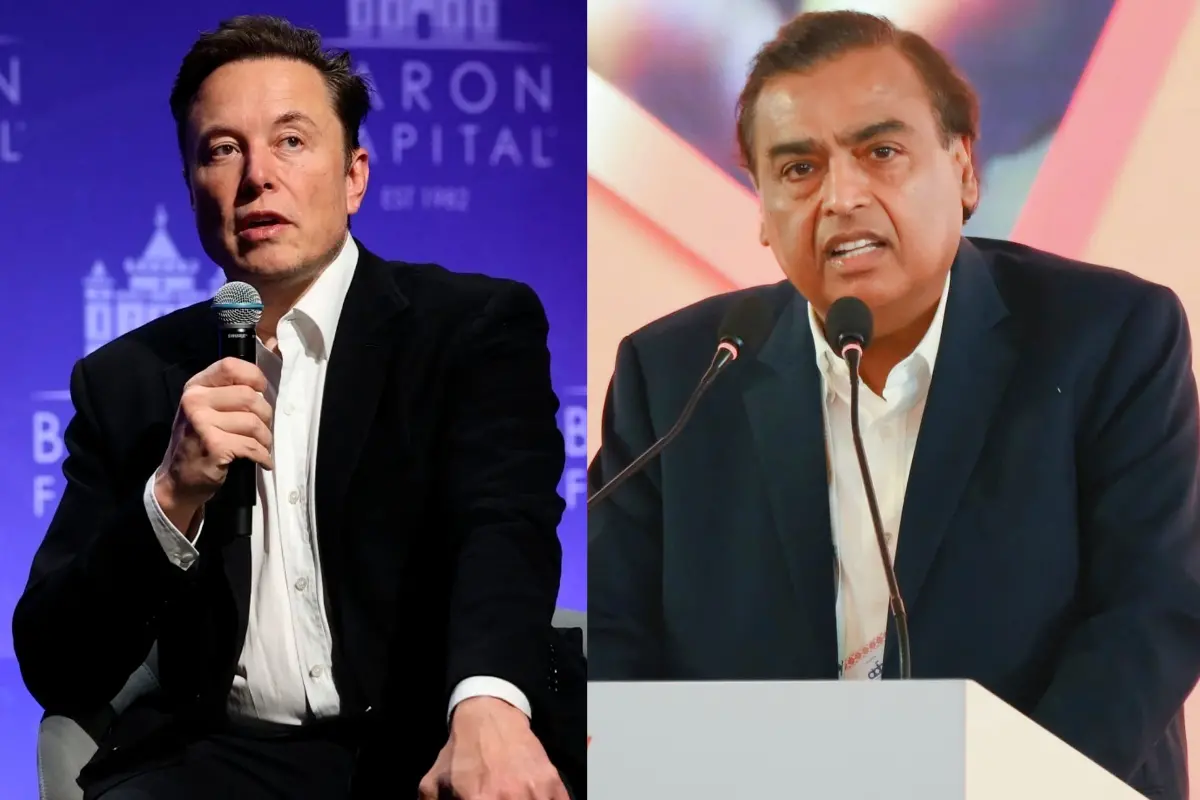
Reliance Industries has hit back at Elon Musk’s criticism over the delay in launching Starlink in India, asserting that the country’s regulatory framework applies equally to domestic and foreign companies and declaring that it has never feared competition.
In a statement on Friday, the company pointed out that its own satellite communication services under Reliance Jio were also awaiting regulatory clearances, rejecting suggestions that established Indian telecom operators were being given preferential treatment as SpaceX’s satellite internet venture seeks to enter the market.
“Like every Indian enterprise, Reliance has grown in an India that welcomes investment and innovation, homegrown or international, that improve the lives of the people,” the company said.
Emphasising the need for a common regulatory process, Reliance added that the government applies the same rules to every applicant, irrespective of nationality.
Reliance defends Jio’s record
Rejecting suggestions that it was trying to shield itself from competition, Reliance cited Jio’s expansion since entering India’s telecommunications market in 2016.
“At Reliance, we have never feared competition. We see it as the truest test of who serves the customer best,” the company said.
Reliance said Jio had grown from a newcomer with no existing customer base to more than 530 million subscribers in a decade. It also credited the telecom venture with helping make digital connectivity more affordable in India.
The statement comes amid a growing dispute over Starlink’s proposed entry into the Indian market, where satellite broadband providers are seeking to expand internet access, particularly in remote and underserved areas.
Also read | 'Army of Internet shills': Musk targets Ambani camp, says Starlink will benefit Indians
What Elon Musk said about Mukesh Ambani
Statement from Reliance Industries
In light of recent remarks about Reliance and the Indian market, we wish to place the facts on record.
Like every Indian enterprise, Reliance has grown in an India that welcomes investment and innovation, homegrown or international, that…— Reliance Industries Limited (@RIL_Updates) October 16, 2026
Musk has repeatedly questioned the delay in Starlink’s commercial launch in India, accusing Reliance Industries Chairman Mukesh Ambani and his supporters of resisting competition.
On October 11, Musk criticised what he described as “absurd hypocrisy and hyperbole” in arguments about Starlink’s competitiveness.
He questioned how the satellite internet service could be portrayed as too expensive to compete with Jio’s affordable data plans while simultaneously being treated as a serious threat to the telecom operator.
Musk argued that allowing Starlink to operate would give Indian consumers more choices. He also maintained that even if additional competition reduced Ambani’s profits, it would not drive him out of business.
In an earlier post on X, Musk sarcastically addressed the Reliance chairman as “Prime Minister Ambani”, questioning his alleged influence over Starlink’s entry into India and accusing him of seeking to preserve a monopoly.
These remarks have intensified the public disagreement between the SpaceX chief and Ambani over competition and the regulatory process governing satellite communications in India.
Why Starlink is yet to launch in India
The controversy centres on the approvals required before satellite communication companies can begin commercial operations in India.
Union Communications Minister Jyotiraditya Scindia said on October 9 that India does not permit monopolies and follows a technology-agnostic approach to the sector.
According to the government, three satellite communication ventures0 SpaceX’s Starlink, Reliance Jio’s satellite services and Bharti-backed Eutelsat OneWeb- have secured satellite communication licences. However, licences alone do not authorise them to begin commercial operations.
The companies must fulfil the prescribed security requirements and other regulatory conditions before launching their services.
The government has rejected allegations that the approval process favours particular operators, maintaining that the framework is applied consistently.
Also read | ‘National security first’: RSS-linked group demands Centre deny entry to Elon Musk's Starlink
What Starlink’s entry could mean for Indian consumers
Starlink’s proposed entry comes as satellite broadband providers seek to reach customers in areas where conventional internet infrastructure is limited or difficult to deploy.
Musk has argued that the service could improve connectivity in remote regions, expand access to education and digital markets, and provide communications support during natural disasters.
For Indian consumers, the entry of additional satellite internet providers could widen the choice of connectivity services. However, the timing of commercial launches will depend on regulatory approvals and the completion of the requirements prescribed for each operator.
Reliance’s latest statement makes its position clear: it says it welcomes competition but insists that Starlink, like Jio, must operate under the same regulatory framework.