Red sea cable cuts likely caused by commercial ship anchor, say experts
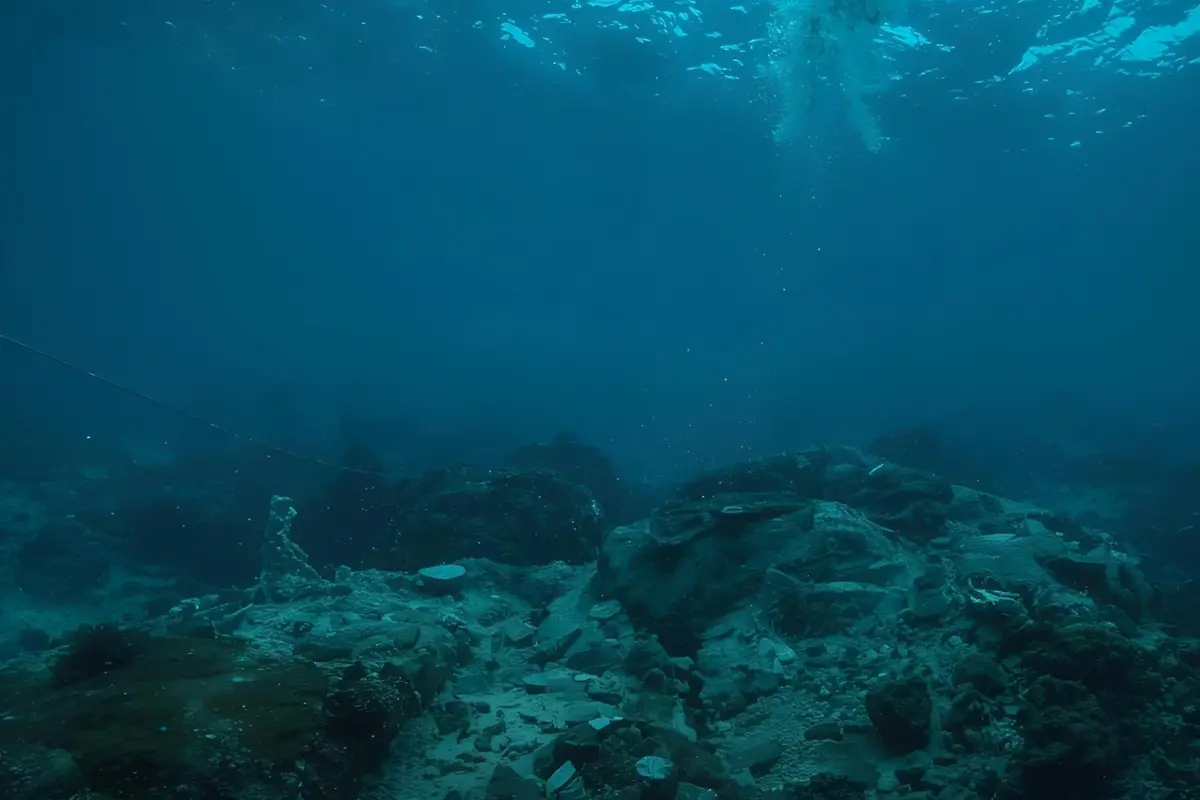
Dubai: Internet services across parts of Africa, Asia, and the Middle East have been disrupted after several major undersea cables were severed in the Red Sea, likely by commercial shipping activity, experts said on Tuesday. The incident highlights the vulnerability of global communications infrastructure, especially in critical maritime zones like the Bab el-Mandeb Strait.
The International Cable Protection Committee confirmed to The Associated Press (AP) that at least 15 submarine cables run through the narrow strait, which connects the Red Sea to the Gulf of Aden and separates East Africa from the Arabian Peninsula.
Over the weekend, affected cables were identified as South East Asia–Middle East–Western Europe 4 (SEA-ME-WE 4), India-Middle East-Western Europe (IMEWE), and FALCON (GCX). By Tuesday, the Europe India Gateway (EIG) cable was also reported damaged.
“Early independent analysis indicates that the probable cause of damage is commercial shipping activity in the region,” said John Wrottesley, operations manager at the International Cable Protection Committee.
He added: “Damage to submarine cables from dragged anchors account for approximately 30% of incidents each year, representing around 60 faults.”
Doug Madory, director of internet analysis at Kentik, explained the working assumption: a ship likely dropped its anchor and inadvertently dragged it across the four submarine cables. Much of the cabling in the Red Sea lies in shallow waters, increasing the likelihood of anchor-related damage.
“Nobody’s completely offline, but each provider has lost a subset of their international transit,” Madory said. “So if you imagine this is like an equivalent to plumbing and you lose some volume of water coming down the pipes ... and now you just have less volumes to carry the traffic.”
While internet providers often reroute data through other pathways, such rerouting can result in increased latency or lag. According to Madory, the damage has impacted connectivity in at least 10 countries, including India, Pakistan, and the United Arab Emirates.
Initial reports suggested the cable damage occurred near Jeddah, Saudi Arabia, but Saudi authorities and the companies managing the cables have not yet publicly addressed the situation.
Concerns about the security of undersea cables have grown in recent months, especially after Yemen's Houthi rebels began attacking commercial vessels in the region amid the Israel-Hamas conflict. In early 2024, Yemen’s internationally recognized government alleged that the Houthis intended to sabotage undersea cables. While some were later found damaged—possibly by a ship attacked by the Houthis—the group denied involvement.