‘Superhuman’ promise: Neuralink says it's ready to implant vision device in first human | VIDEO
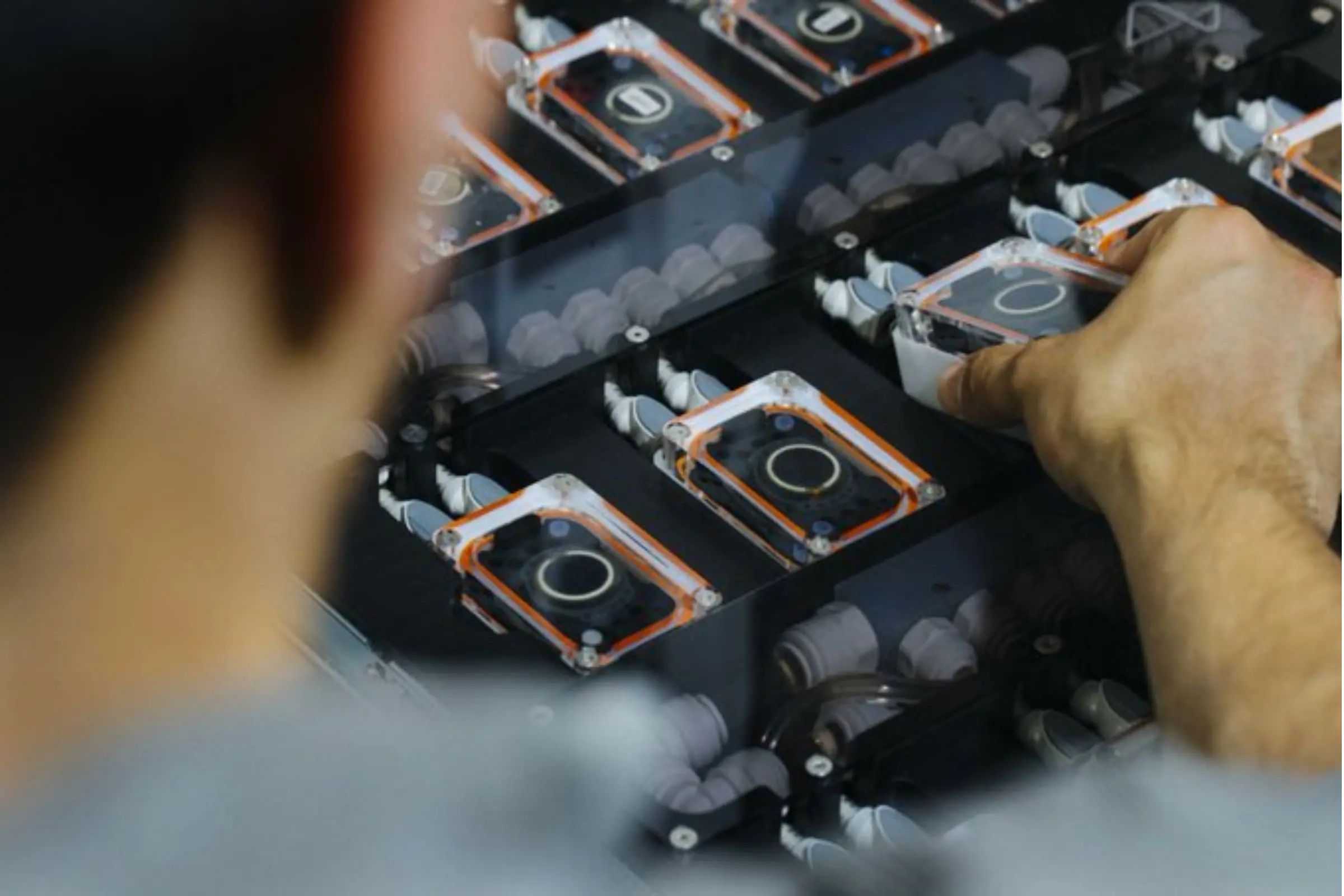
Elon Musk's brain-computer interface company Neuralink announced this week that it is prepared to implant its vision-restoring Blindsight device in a human patient for the first time, pending regulatory approval, a development that could mark a watershed moment in treating complete blindness.
The announcement came on January 28 as Neuralink celebrated two years since its first brain chip implantation in a paralysis patient, with the company revealing it has expanded clinical trials to 21 participants worldwide, up from 12 reported in September.
How Blindsight Works
Unlike conventional approaches to treating vision loss, Blindsight bypasses damaged eyes and optic nerves entirely. The system uses a small camera, potentially mounted on glasses, to capture visual information, which is then wirelessly transmitted to an implant that directly stimulates the brain's visual cortex.
Musk has been careful to set realistic expectations. Initial vision would resemble "early Nintendo graphics" or "Atari graphics", pixelated and low-resolution, but would improve over time as the brain adapts to the neural signals. The technology is designed for individuals who have lost both eyes and their optic nerve, and Musk has said it could potentially allow those blind from birth to see for the first time, provided their visual cortex remains intact.
The U.S. Food and Drug Administration granted Blindsight Breakthrough Device Designation in September 2024, a status reserved for medical devices that treat life-threatening or irreversibly debilitating conditions. The designation accelerates the regulatory review process but does not guarantee approval.
Scaling Up Operations
Alongside the Blindsight announcement, Musk outlined ambitious near-term plans. A next-generation implant with three times the capability of current devices is expected by late 2026. Neuralink is also developing a faster surgical robot capable of inserting the ultra-fine electrode threads into the brain in just 1.5 seconds, down from 17 seconds with earlier systems, potentially making procedures smoother and less invasive.
Neuralink said it has maintained "zero serious device-related adverse events" across its expanding trials, where participants with paralysis have used the Telepathy implant to browse the web, post on social media, and play video games using only their thoughts.
Looking Further Ahead
Musk has suggested future versions of Blindsight could extend beyond restoring normal human vision. He has speculated about enabling perception of infrared, ultraviolet, or even radar-like signals, capabilities that would push human sensory experience beyond its natural limits.
Investor Bill Ackman praised the development on X, writing that if Musk "can bring sight to the blind, it will outdo every one of his near-miraculous achievements to date".
However, some researchers urge caution. A University of Washington study published in 2024 questioned whether cortical implants could achieve high-resolution vision, noting that stimulating electrodes does not produce pixel-like perception due to how neurons process visual information. Still, even limited vision would represent a life-changing advancement for many patients who currently have no treatment options.