iPhone 18 Pro, Pro Max camera concerns: Users claim magnetic objects affect rear camera mechanism
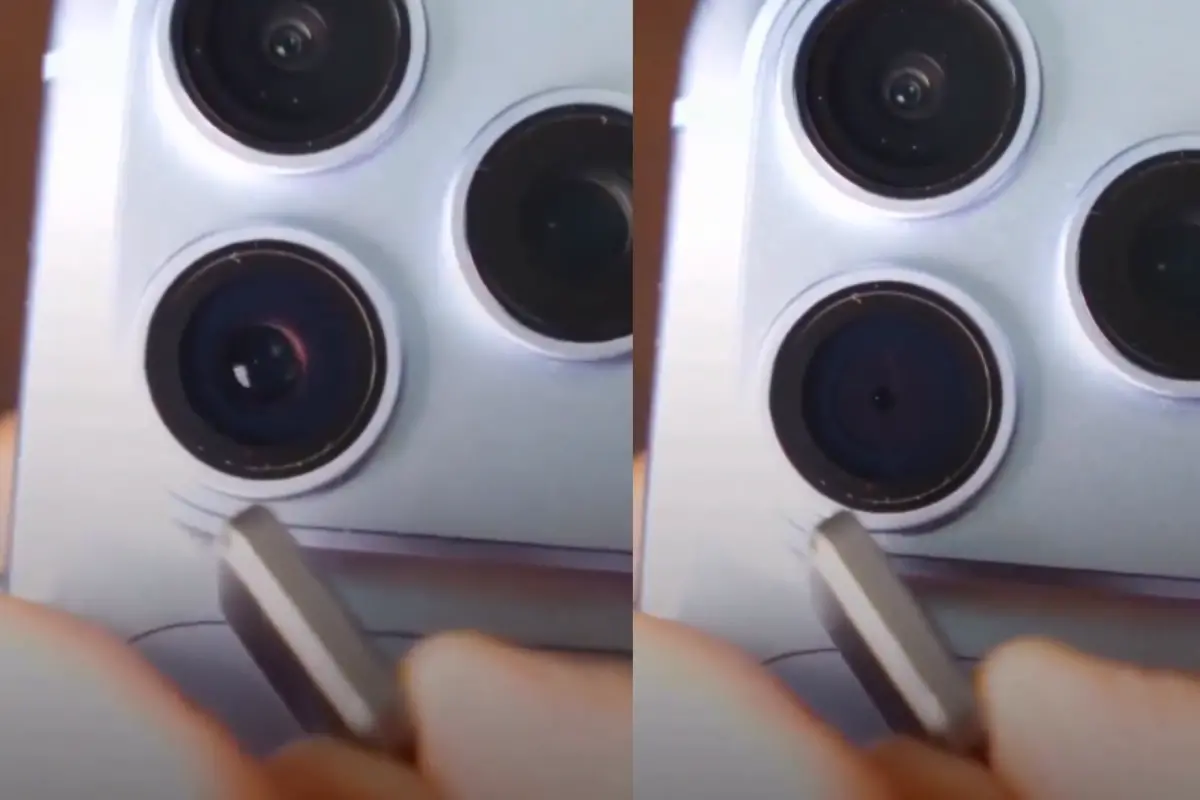
Recent teardowns and technical demonstrations have raised questions about the impact of strong magnetic fields on smartphone camera components, with users claiming that magnetic objects placed near the rear camera module of the iPhone 18 Pro and iPhone 18 Pro Max can trigger changes in the camera's aperture mechanism.
A video shared on X has highlighted the alleged interaction between external magnetic fields and components inside the camera module. However, the claims have not been independently verified, and it remains unclear whether the reported behaviour is related to the camera's design or a potential malfunction.
The discussion has also drawn attention to Apple's earlier warnings about magnetic interference with iPhone camera systems.
What Apple said about magnetic interference
Apple had previously acknowledged that strong magnetic fields from certain accessories could interfere with the optical image stabilisation (OIS) and closed-loop autofocus (AF) systems in some iPhone models.
Also read | The real reason for the iPhone queue; You can't show off something that was easy to get
In 2024, Apple explained that some iPhone cameras use OIS to reduce image blur caused by accidental movement. Closed-loop AF, meanwhile, helps maintain sharp focus by compensating for the effects of gravity and vibration.
Both systems rely on sensors that help control the movement and positioning of camera lenses.
How magnets can affect iPhone cameras
According to Apple, lens-position sensors can respond to magnetic fields. Placing a strong magnet near these sensors can interfere with or temporarily disable them, potentially affecting their accuracy and limiting the range of movement available to the lenses.
Also read | Xiaomi 18 Pro Max: The iPhone 18 Pro Max rival to watch?
In such cases, the camera may continue to take photographs using other stabilisation methods, but without the full benefit of OIS and closed-loop AF.
Apple also cautioned that some third-party accessories use strong magnets or magnetisable metal plates near the rear camera. These include folio covers, detachable cases and mounts, such as those used in cars.
For optimal camera performance, Apple recommends avoiding accessories that place magnets or magnetic metal close to the rear camera.
Which iPhones are affected?
Apple's guidance states that OIS is available on the iPhone 6 Plus, iPhone 6s Plus, iPhone 7 and later models, including the second- and third-generation iPhone SE.
Closed-loop autofocus is available on the iPhone XS and later models, including the second- and third-generation iPhone SE.
Apple has not confirmed whether the alleged magnetic interaction reported by users involving the iPhone 18 Pro and iPhone 18 Pro Max is linked to these camera systems.
Users experiencing camera issues are advised to remove magnetic accessories and check whether the problem persists.