AI breakthrough: Man uses ChatGPT to develop cancer treatment for dog- and succeeds?
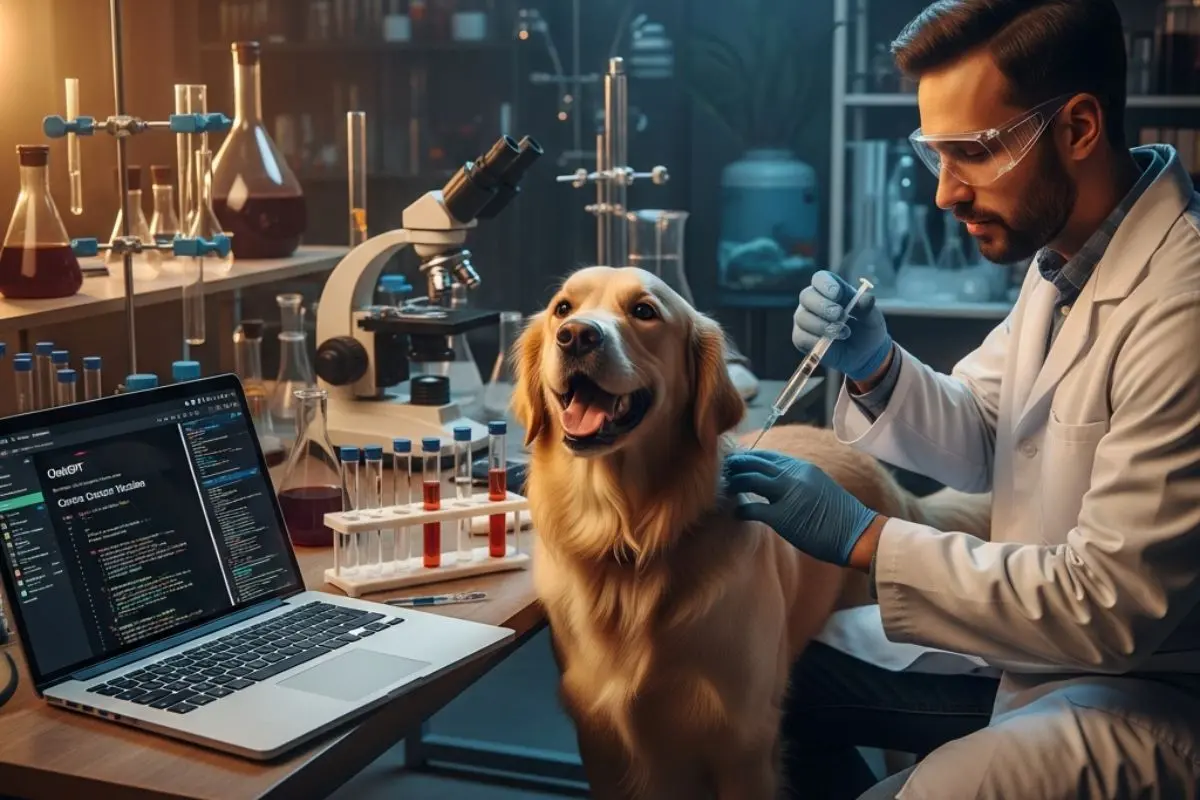
The chief executive of OpenAI, Sam Altman, has highlighted both the promise and potential risks of artificial intelligence after recounting a striking example involving the use of AI to develop a bespoke cancer treatment for a pet dog.
Speaking on the Mostly Human podcast, Mr Altman described what he called the “coolest meeting” of his week with a man who travelled from Australia after using ChatGPT to design a personalised mRNA vaccine for his dog, which was suffering from cancer.
According to Mr Altman, the individual had no background in science or medicine. However, by using the AI tool, he was able to understand the complex process required to create a tailored vaccine, including identifying the relevant genetic sequence and outlining how such a treatment could be developed.
The man then reportedly collaborated with academic researchers and university experts to carry out the laboratory work needed to bring the idea to life. Mr Altman said the individual had effectively used ChatGPT “full stack” to achieve what might otherwise require the resources of a dedicated research institute.
The treatment was ultimately successful, with the dog’s life said to have been saved. The individual is now exploring ways to apply the same approach to help other animals facing similar conditions.
ALSO READ | The new ‘blue marble’: NASA releases breathtaking high-res Earth photos from Artemis II
While the account underscores the growing capabilities of AI, it has also prompted concerns about potential misuse. During the discussion, it was noted that tools capable of assisting in vaccine development could, in theory, also be used to design harmful biological agents.
Mr Altman acknowledged these risks, emphasising that safety remains a central concern for AI developers. He said companies such as OpenAI are working to build safeguards into their systems, but warned that as AI tools become more widely accessible, not all platforms will necessarily have the same level of protection.
ALSO READ | Cooking gas from dry leaves? IIT Bombay’s innovation could change everything
He stressed the importance of building what he described as “AI resilience” — systems that are not only designed to prevent misuse, but are also capable of responding rapidly if something goes wrong. This, he suggested, would include faster disease detection, quicker development of treatments, and improved global preparedness.