Bigger, costlier, longer: How the 2026 World Cup is changing football’s biggest tournament
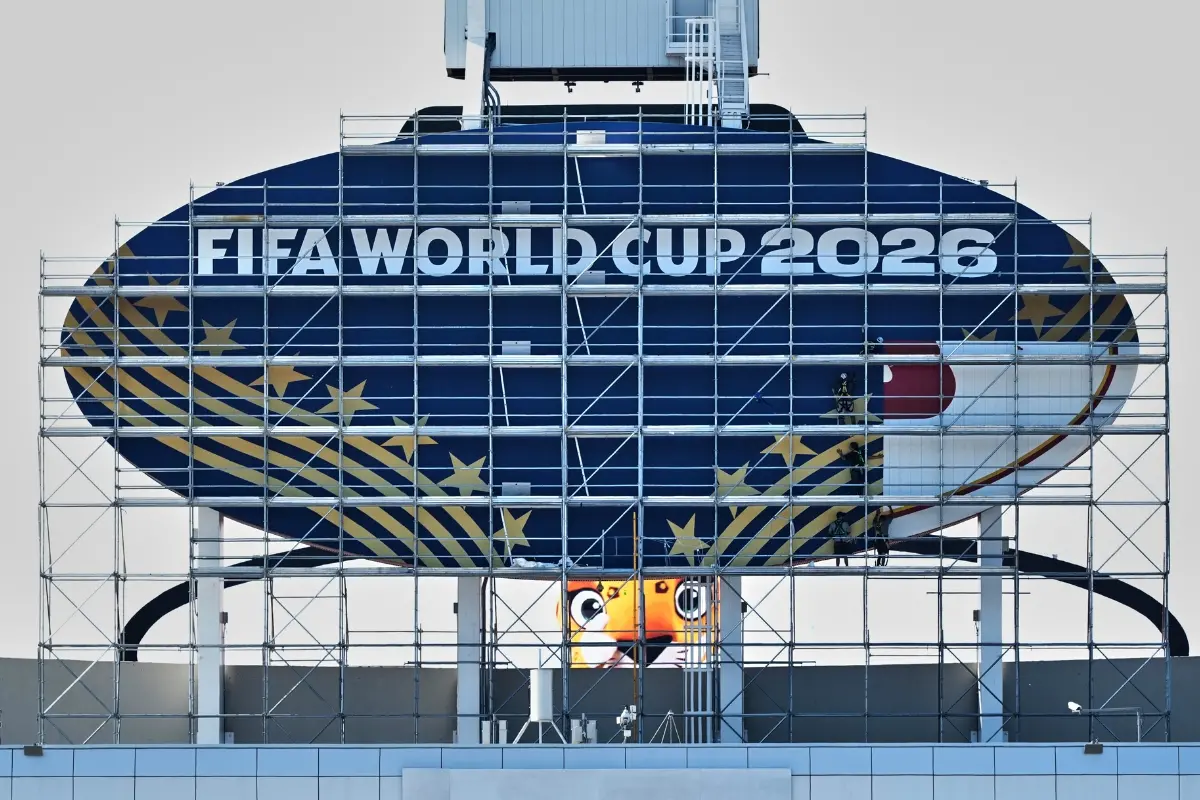
More than three decades after the United States hosted the FIFA World Cup in 1994, football's biggest tournament is returning to North America on an even larger scale. The 2026 edition will be jointly hosted by the United States, Mexico and Canada, making it the first World Cup to be spread across three nations.
While the 1994 tournament is remembered for record attendance and helping grow football's popularity in the United States, the 2026 edition is expected to break several records and redefine the scale of the competition.
Ticket prices have soared dramatically
One of the biggest differences between the two tournaments is the cost of attending matches.
In 1994, first-round tickets ranged from $25 to $75, while tickets for the final at the Rose Bowl cost between $180 and $475.
For 2026, FIFA introduced dynamic pricing, meaning ticket prices fluctuate according to demand. First-round tickets have ranged from $140 to $2,735, while final tickets initially sold for between $4,185 and $8,680. FIFA later increased the highest-priced final ticket to $10,990, highlighting the commercial growth of the tournament.
Tournament expands from 24 to 48 teams
The 1994 World Cup was the final edition to feature 24 teams before FIFA expanded the competition to 32 nations in 1998.
The 2026 tournament marks another major expansion, increasing the field to 48 teams. The new format includes an additional knockout round, meaning teams reaching the final will now have to play eight matches instead of seven.
The expansion is expected to provide opportunities for more nations to participate while also significantly increasing the number of matches.
More stadiums, more countries, bigger crowds
The 1994 World Cup was staged entirely in the United States across nine stadiums.
In contrast, the 2026 edition will use 16 stadiums across three countries, including 11 venues in the United States, three in Mexico and two in Canada. However, all matches from the quarter-finals onwards will be played in the United States.
Attendance is also expected to reach unprecedented levels. The 1994 tournament attracted a record 3.59 million spectators across 52 matches. With nearly double the number of games in 2026, organisers expect total attendance to reach between six and seven million fans.
Stadiums upgraded to modern standards
Many of the stadiums used in 1994 have either been demolished or are no longer part of the World Cup setup.
The 2026 venues are predominantly modern NFL stadiums featuring extensive premium seating, luxury suites and upgraded fan facilities. Stadium operators have also modified playing surfaces to meet FIFA's standard pitch dimensions, ensuring greater consistency across venues.
New rules reflect the modern game
Football itself has evolved considerably since 1994.
At the time, teams were permitted only two substitutions during a match, with a limited provision for goalkeepers. Today, teams can use five substitutions during normal time, with additional changes available in extra time and for concussion replacements.
The tournament will also feature official water breaks during matches played in hot conditions, allowing players to rehydrate and coaches to make tactical adjustments.
Technology and player welfare take centre stage
The 2026 World Cup will take place in an era where player welfare receives far greater attention than in previous decades.
Measures such as hydration breaks, concussion substitutions and advanced sports science support systems reflect football's changing priorities. Modern stadium infrastructure and broadcasting technology are also expected to deliver a vastly different experience for players and fans compared with 1994.
FIFA takes direct control of tournament operations
Another major shift is how the tournament is organised.
The 1994 World Cup was largely managed by a local organising committee led by football administrator Alan Rothenberg. By contrast, FIFA now exercises far greater direct control over tournament operations.
Under FIFA President Gianni Infantino, the governing body has become more centralised in planning and commercial activities, reflecting the growing global influence and business value of the World Cup.
Bigger than ever, but questions remain
The 2026 World Cup promises to be the largest in football history, with more teams, more matches, more venues and significantly higher revenues. However, the expansion has also sparked debate about ticket affordability, scheduling demands and whether a larger tournament can maintain the same level of competitive intensity.
As the countdown continues, one question remains at the heart of football's biggest event: bigger is certain, but whether it will be better will only be answered on the pitch.