FIFA proposes expanded VAR for 2026 World Cup: Corner kicks, second yellow cards to be reviewed
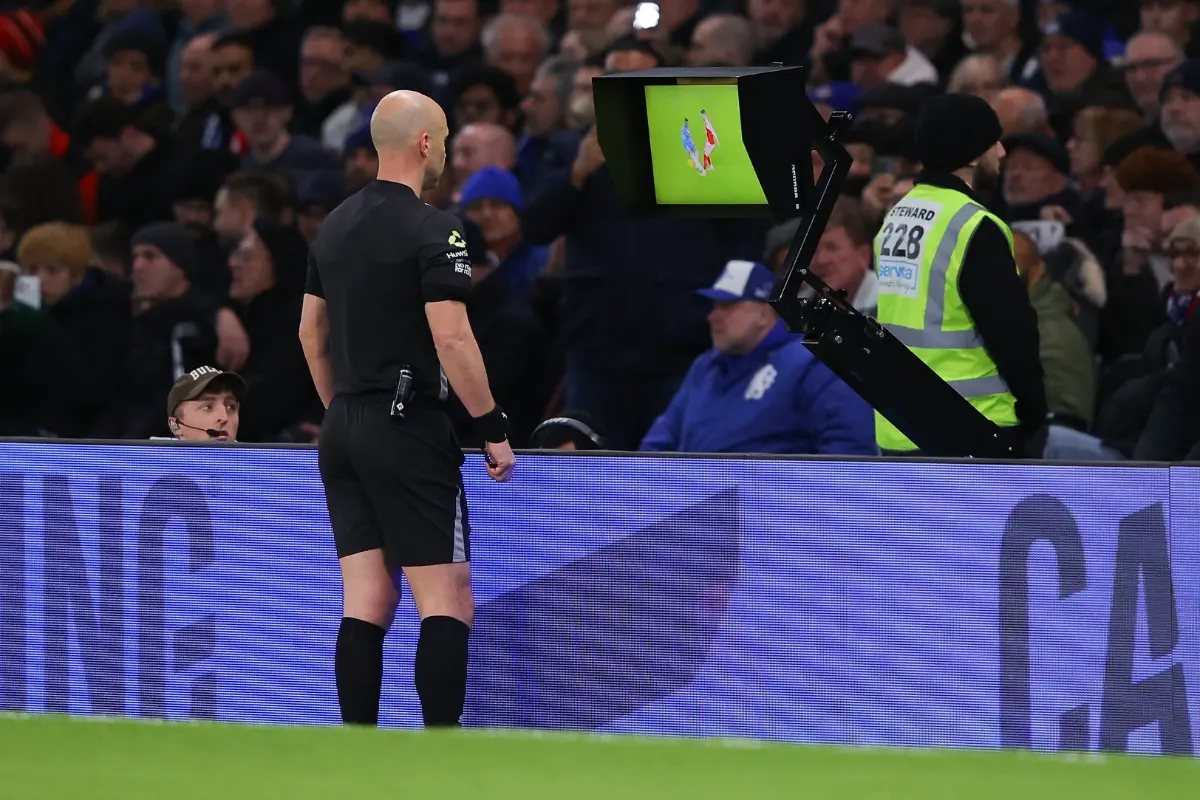
FIFA is poised to greatly expand the powers of video assistant referees at next summer's World Cup, with proposals to allow VAR intervention on corner kick decisions and second yellow cards for the first time at soccer's premier tournament.
The proposed changes are expected to be submitted to the International Football Association Board's Annual Business Meeting on January 20, 2026, in London. If approved, FIFA could receive special dispensation to trial the expanded VAR protocols at the tournament, which kicks off June 11, 2026, in Mexico City.
Addressing High-Stakes Errors
The expansion aims to prevent consequential mistakes in critical matches. Officials have pointed to Spain's controversial 2002 World Cup exit, when Fernando Morientes had a goal wrongly disallowed after the ball was adjudged to have gone out of play before a cross, a decision television replays showed was incorrect. Advocates argue that such errors in a World Cup final or semifinal would undermine the tournament's integrity.
Under the proposed system, VAR would review whether corner kicks were correctly awarded by determining if the ball fully crossed the goal line and which player last touched it. The technology would also allow officials to overturn incorrect second yellow cards, which result in player dismissals.
The changes come amid persistent criticism of VAR across Europe's top leagues. Liverpool recently contacted Premier League officials after captain Virgil van Dijk's goal against Manchester City was disallowed in November, with the club disputing the offside interpretation. Nottingham Forest manager Sean Dyche has also called for VAR reviews of corner decisions after his team conceded from a disputed corner kick against Manchester United.
Testing New Injury Protocol
Separately, FIFA is trialling a rule at the Arab Cup in Qatar that requires players receiving medical treatment to leave the pitch for two minutes before returning. Pierluigi Collina, head of FIFA's Referees Committee, announced the measure aims to reduce time-wasting and prevent players from feigning injuries. The rule, which began December 1 and runs through December 18, does not apply if the player who committed the foul receives a card or to goalkeepers.
The initiative follows incidents where players appeared to exaggerate injuries to influence match flow, including Chelsea midfielder Moises Caicedo's challenge on Arsenal's Mikel Merino that resulted in a red card after VAR review. Roberto Grassi, head of FIFA's junior tournaments, indicated the Arab Cup results will be evaluated in December to determine whether the rule could extend to future competitions, including the 2026 World Cup.