Xi warns Trump Taiwan could trigger conflict, says US-China ties ‘must never be messed up’
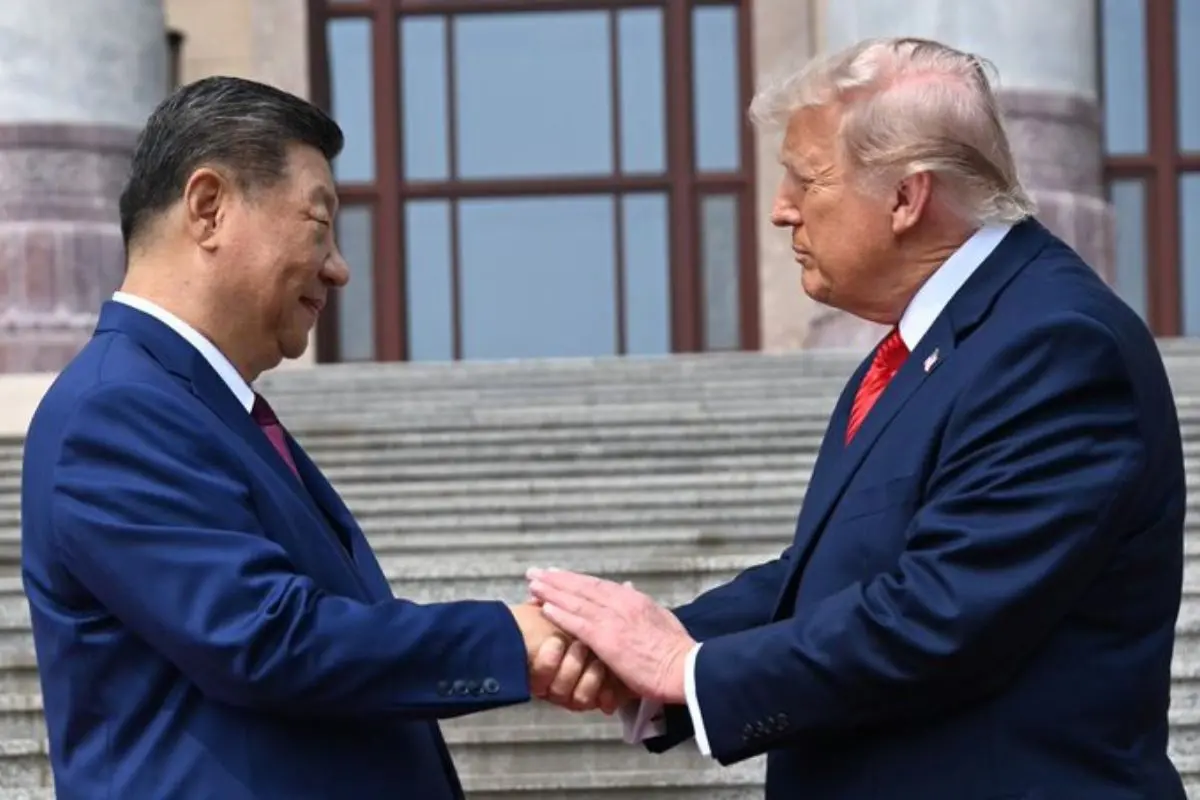
Chinese President Xi Jinping struck a conciliatory tone toward the United States during high-stakes talks with US President Donald Trump in Beijing on Thursday, saying the world’s two largest economies “should be partners rather than rivals,” even as he issued a stern warning over Taiwan.
The summit, the first visit by a sitting US president to China in nearly a decade, underscored both the opportunities and deep tensions shaping the future of China-US relations.
Speaking after their closed-door discussions, Xi said he and Trump had held “in-depth exchanges” on bilateral ties as well as regional and global developments.
“We both believe that the China-US relationship is the most important bilateral relationship in the world. We must make it work and never mess it up,” Xi said.
The Chinese leader stressed that cooperation between the two nations would benefit both sides, while confrontation would only bring losses.
“Both China and the United States stand to gain from cooperation and lose from confrontation. Our two countries should be partners rather than rivals,” he added.
Despite the conciliatory language, Taiwan emerged as the most sensitive issue during the talks.
According to the Chinese government’s official readout, Xi warned Trump that mishandling the Taiwan issue could push relations onto a “dangerous” path and even trigger conflict.
China views Taiwan as part of its territory and has repeatedly opposed any moves perceived as support for Taiwanese independence. Taiwan, however, operates as a self-governing democracy.
The White House statement following the summit did not mention Taiwan, and Trump himself avoided public comments on the issue during the visit. However, US Treasury Secretary Scott Bessent later said Trump fully understood the sensitivity surrounding Taiwan.
“President Trump understands the issues here and understands the sensitivities around all this,” Bessent told CNBC, dismissing criticism that the US president had stayed silent on the matter.
The Beijing summit is being closely watched by global markets and diplomats alike, as Washington and Beijing attempt to stabilise relations after years of tensions over trade, technology, military rivalry and regional security.
Analysts say the outcome of the talks could shape the trajectory of US-China ties for years, determining whether the two powers move toward greater cooperation or deeper strategic confrontation.