Explained | Why Pakistan is ‘desperate’ to privatise its national carrier PIA
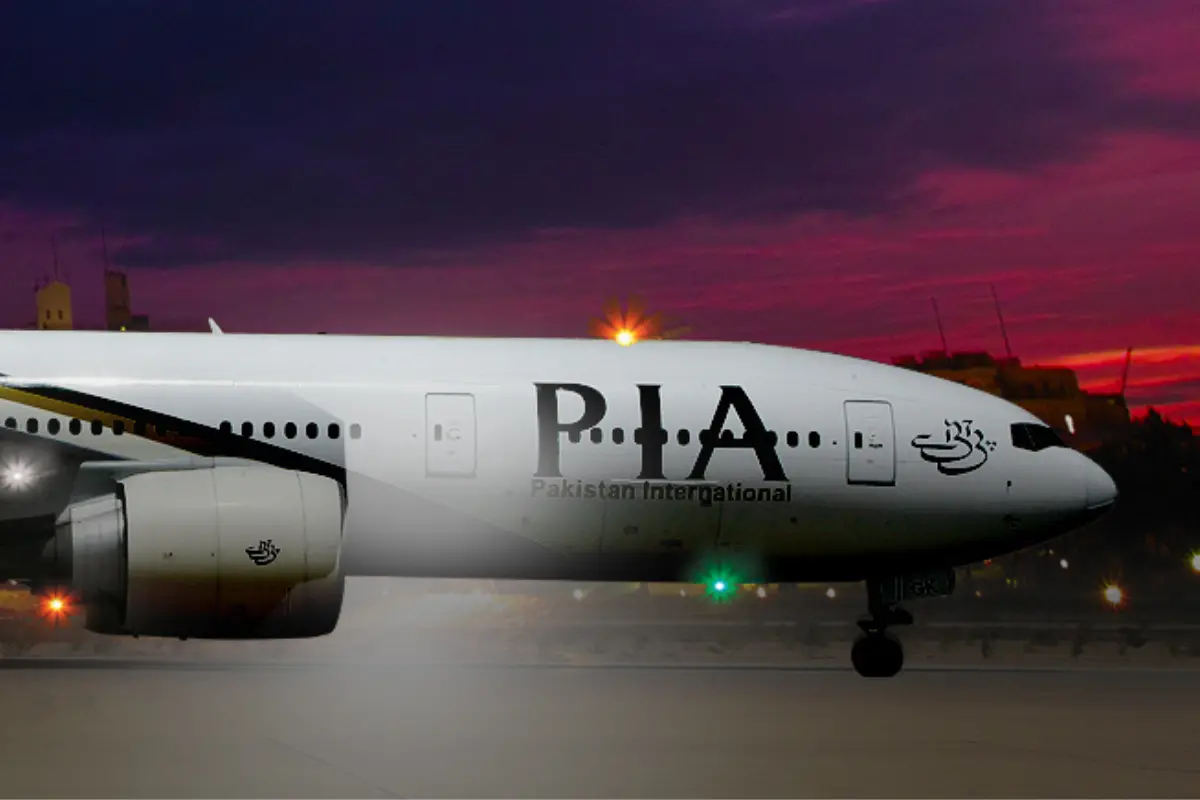
Pakistan is inching toward one of its most consequential economic decisions in nearly two decades, the privatisation of Pakistan International Airlines (PIA). With bidding now scheduled for December 23, the process marks a turning point for a carrier long weighed down by political interference, financial mismanagement and unsustainable losses.
The renewed push comes under the obligations of Pakistan’s USD 7 billion International Monetary Fund (IMF) programme, which explicitly requires the divestment of loss-making state-owned enterprises. But the roots of this privatisation drive go far deeper, tracing back several years of structural decline.
Why now?
Last year, the government attempted to sell PIA but failed to secure an attractive offer. A single bidder reportedly offered only PKR 10 billion for a 60 per cent stake, far below the reserve price of PKR 85 billion, prompting the government to abort the effort.
Now, with political backing and IMF pressure, Prime Minister Shehbaz Sharif says the process is advancing with unprecedented openness.
According to state broadcaster PTV News, Sharif told corporate entities participating in the process: “PIA's bidding will take place on December 23, which will be broadcast live on all media.”
He added that the government was committed to ensuring that the sell-off revived the airline’s global standing: “We are ensuring transparency and merit in the privatisation process of PIA.”
The prime minister also stressed that restoring PIA’s international route access was key for the diaspora: “The restoration of PIA's flights worldwide would provide convenience to overseas Pakistanis,” calling it “extremely essential” for developing tourism.
Among the bidders showing interest in acquiring a majority stake are Fauji Fertiliser, Habib Rafique, Younus Brothers and Airblue. The winning bidder will be required to inject PKR 30–40 billion upfront to stabilise the airline.
Importantly, only the airline’s operations are being privatised. Domestic and international real estate assets have been shifted to the PIA Holdings Company. The carrier’s name and branding will remain unchanged.
A history of troubles
To understand why Pakistan is moving now, after decades of resistance, it’s essential to revisit the airline’s long, troubled history. A 2017 Dawn report had described PIA as a “mammoth organisation buried under 300 billion rupees of debt,” noting its unusually bloated workforce and chronic inefficiencies.
At that time, the carrier operated 29 aircraft, including three on wet lease, with over 13,700 permanent employees and 3,700 daily-wagers hired through third-party vendors. This made its employees-per-aircraft ratio one of the highest in the world.
In 2016, parliament attempted to shield PIA from full privatisation by passing the PIAC Conversion Act, which turned it into a public limited company (PIACL). The law barred the federal government from selling ownership, allowing only management control to be transferred while retaining 51 per cent of the entity.
Why the shield finally fell
Pakistan’s deepening economic crisis forced a rethink. Years of losses, liquidity crunch, and rising debt servicing needs made it impossible for the government to continue subsidising PIA.
The airline did post a pre-tax profit of more than PKR 11.5 billion in the first half of the current financial year, and PKR 26.2 billion last year, but these gains came while operating with only 14–16 aircraft and could not offset the weight of legacy debt and operational inefficiencies.
Political concerns also pushed reform. Overstaffing, poor administration and mismanagement repeatedly led to flight delays, route cancellations and safety issues. The European Union’s ban on PIA flights had been one of the biggest blows in recent years; only recently has the airline been allowed to resume operations to the UK and Canada.
For Pakistan, this privatisation is more than a corporate restructuring; it is a test of whether the state can pull back from chronic political patronage in the aviation sector.
If successful, it would become Pakistan’s first major privatisation in nearly 20 years and a signal to global lenders and investors that Islamabad is serious about structural reform.
For now, the government is betting on transparency, as Sharif emphasised: “PIA's bidding will take place on December 23… We are ensuring transparency and merit.”