What’s behind 'McDonald’s Boycott' sweeping across the US? Everything you need to know
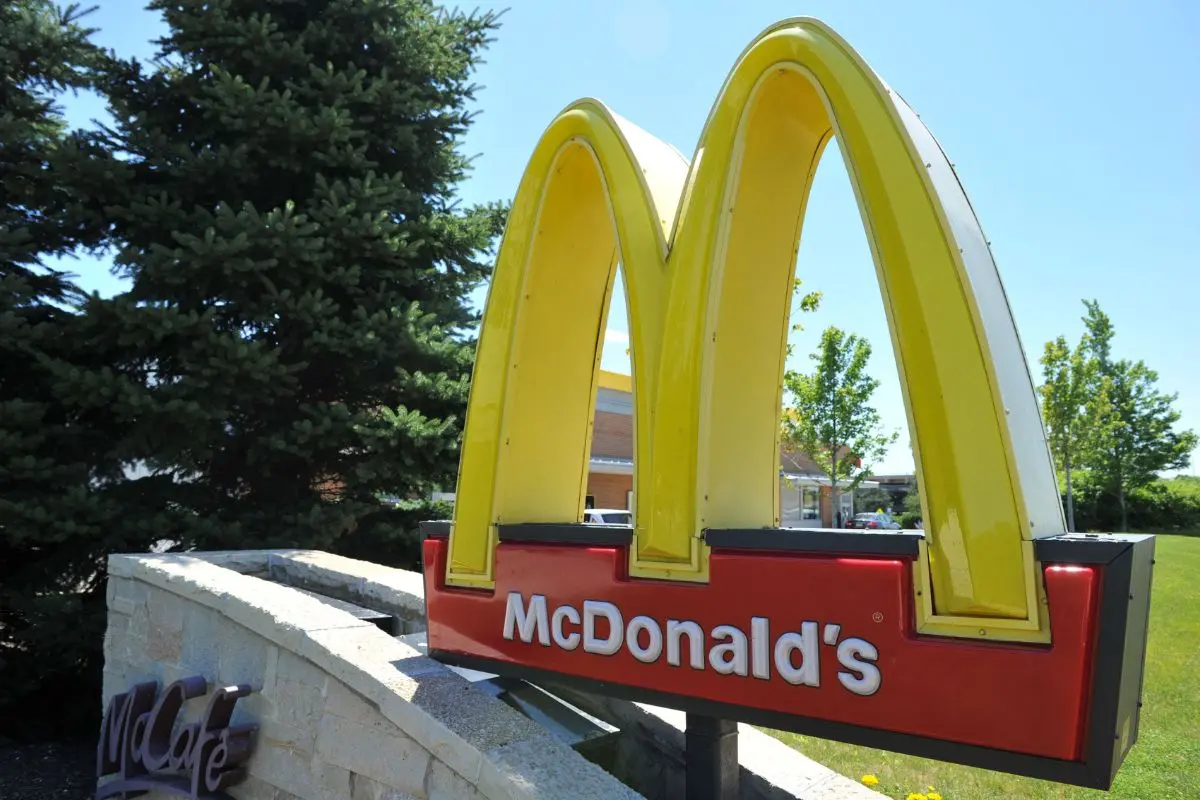
A nationwide boycott targeting McDonald’s has been launched in the United States and is scheduled to run from June 24 through June 30. The action is part of a broader campaign led by ‘The People’s Union USA,’ a grassroots movement aiming to challenge corporate practices and demand accountability from major companies.
The fast-food giant is being criticised for a range of alleged unethical business practices, including tax avoidance, exploitative labour conditions, and performative diversity initiatives. This week’s boycott marks the latest chapter in the group’s “Economic Blackout Tour,” which began earlier this year.
What triggered the McDonald’s boycott?
The boycott is driven by a long list of grievances that The People’s Union USA and its founder, John Schwarz, have levelled against the company. Speaking to USA TODAY, Schwarz said the boycott targets McDonald’s because the company has repeatedly prioritised profit over people, engaging in practices such as price gouging, tax evasion, unequal pay, and exploitative advertising, while also criticising its diversity efforts as promotional stunts lacking real systemic change.
The group has accused McDonald’s of pulling back on diversity, equity, and inclusion (DEI) efforts, misusing tax systems, inflating prices, and stifling workers' rights. McDonald’s, meanwhile, has not publicly commented on the boycott, but company executives have previously stated that DEI programming remains in place, despite some policy revisions.
What are the key allegations?
In a detailed Instagram post dated June 19, Schwarz outlined the core reasons behind the boycott:
- They exploit tax loopholes and do not pay their fair share.
- They engage in price gouging while wages stay low.
- They suppress workers’ rights and union efforts.
- They support political figures who threaten democracy.
- They practice performative DEI with no meaningful change.
- They prioritise profit over people, community, and truth.
According to the group, McDonald’s has raised prices while wages remain stagnant, all while posting significant profits. It also claims that the corporation leverages its franchise model to avoid direct accountability for labour practices and has lobbied against raising the minimum wage and union protections.
Backlash over diversity rollbacks
One of the most contentious issues has been McDonald’s decision earlier this year to shift its DEI strategy. In January, the company dropped its “aspirational representation goals,” ceased participation in external diversity benchmarking, and rebranded its DEI team as the “Global Inclusion Team.”
At a June conference, McDonald’s US Chief People Officer, Jordann Nunn, stated that although the company had updated its DEI language, “none of our programming has changed.” Still, critics argue that these adjustments amount to a step backward.
The People's Union and the Economic Blackout Tour
The People’s Union USA describes itself as a grassroots effort dedicated to “economic resistance, corporate accountability, and real justice for the working class.” Since February 2025, the group has led boycotts against major corporations such as Target, Walmart, and General Mills.
Following this week’s McDonald’s boycott, the group plans to expand its efforts. In July, it will target Starbucks, Amazon, and Home Depot. Another McDonald’s boycott is scheduled for August, alongside actions against Walmart and Lowe’s. A national “economic blackout” is also set for July 4.
Why now?
The timing of the McDonald’s boycott comes as the company faces growing pressure from both consumers and activists. Amid falling sales and inflation-related concerns among customers, critics say the brand’s commitment to ethical standards is in question.
John Schwarz summarised the group’s mission in an interview with The Arizona Republic, stating that The People’s Union USA aims to hold corporations and corrupt systems accountable not through violence or empty promises, but by targeting the one thing that truly impacts them, consumer spending.