What happened at Area 51 didn’t stay there: Veterans break silence on the ‘Invisible Enemy’ behind its walls
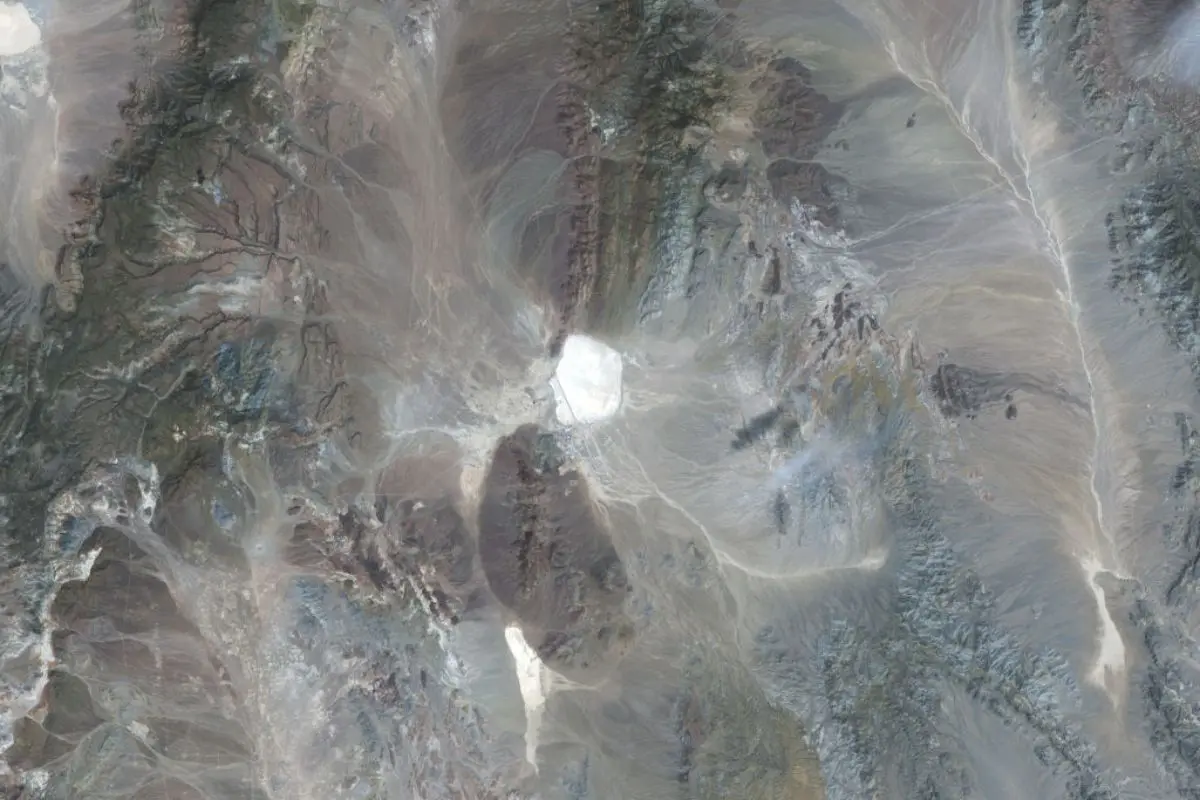
A group of former US Air Force personnel has come forward with harrowing claims that their service at the top-secret Area 51 site exposed them to dangerous levels of radiation, leading to serious illness and, in hundreds of cases, death. They believe an “invisible enemy” – the radiation left behind from decades of nuclear testing – has claimed the lives of more than 490 of their colleagues.
Radiation threat hidden behind national interest
According to Daily Mail, the security guards, who were stationed at the Nevada Test and Training Range (NTTR), which includes the Area 51 facility, say the US government knowingly built its top-secret testing ground in the 1970s on land contaminated by previous nuclear experiments. A 1975 report by the US Energy Research and Development Administration acknowledged the risk but insisted it would “be against the national interest” to halt military projects at the site.
Veteran David Crete, who worked at NTTR between 1983 and 1987, testified before the House Veterans Affairs Committee in April. He revealed that the impact on his health and that of his fellow servicemen has been devastating.
“I have brain atrophy. The left side of my brain is shrinking and dying. That's not too bad. I'm one of the healthy ones,” Crete told the committee.
Classified past denies access to care
Due to the secret nature of their work, many of these veterans are ineligible for medical assistance from the US Department of Veterans Affairs. Their roles and exposure are undocumented publicly, with service records marked as “data masked,” making it impossible to prove radiation-related illness.
Crete claimed that the average age of death among the veterans from his unit is just 65, with the youngest reported death at only 33. According to him, none are known to have lived past 80.
But the effects extended beyond the veterans themselves. Crete detailed a heartbreaking pattern of reproductive and genetic harm among his peers.
“My wife had three miscarriages. One of the guys that I worked with, his wife had seven,” he said. “All four of my children were born with birth defects or significant health problems. It's not their fault. I'm not saying it's mine, but I brought it home. It was my DNA that was permanently altered from low-dose, long-term, ionising radiation exposure.”
‘Betrayal’ of veterans’ service
Veteran Mike Nemcic echoed a sense of betrayal among those who served.
“It's just a matter of betrayal. These folks knew, and they purposefully kept it quiet because it was more beneficial to them not to tell us,” Nemcic told NewsNation.
The veterans had been part of the Air Force’s security police squadron tasked with guarding the F-117A Nighthawk, the US military’s first stealth bomber, which was developed and tested at the facility. However, most details about their assignments remain classified, even decades later.
“It felt very special, especially at a young age,” recalled veteran Pomp Braswell. “My mom knew absolutely zero about what I was doing. She knew there was a phone number if she needed to get hold of me, that's it.”
Seeking recognition and justice
While the workers’ contributions have remained in the shadows, the late US Senator John McCain reportedly acknowledged their critical role in a brief exchange with Crete.
“He came up to me and he said, 'Your unit ended the Cold War.' If you ever wanted validation that what you did was important, that's just about it,” Crete recounted.
In 2000, then-President Bill Clinton signed legislation providing compensation to workers exposed to radiation at non-classified government nuclear facilities. Now, Crete and others are demanding that similar provisions be extended to veterans who served under classified conditions at NTTR.
On April 8, Area 51 veterans visited Washington to push for reform. Two legislative proposals — the Protect Act and the Forgotten Veterans Act — have been introduced in Congress. Both aim to extend healthcare benefits to veterans affected by the long-term consequences of radiation exposure during classified service.