Washington moves to shut its Peshawar consulate weeks after Iran-US peace talks in Pakistan
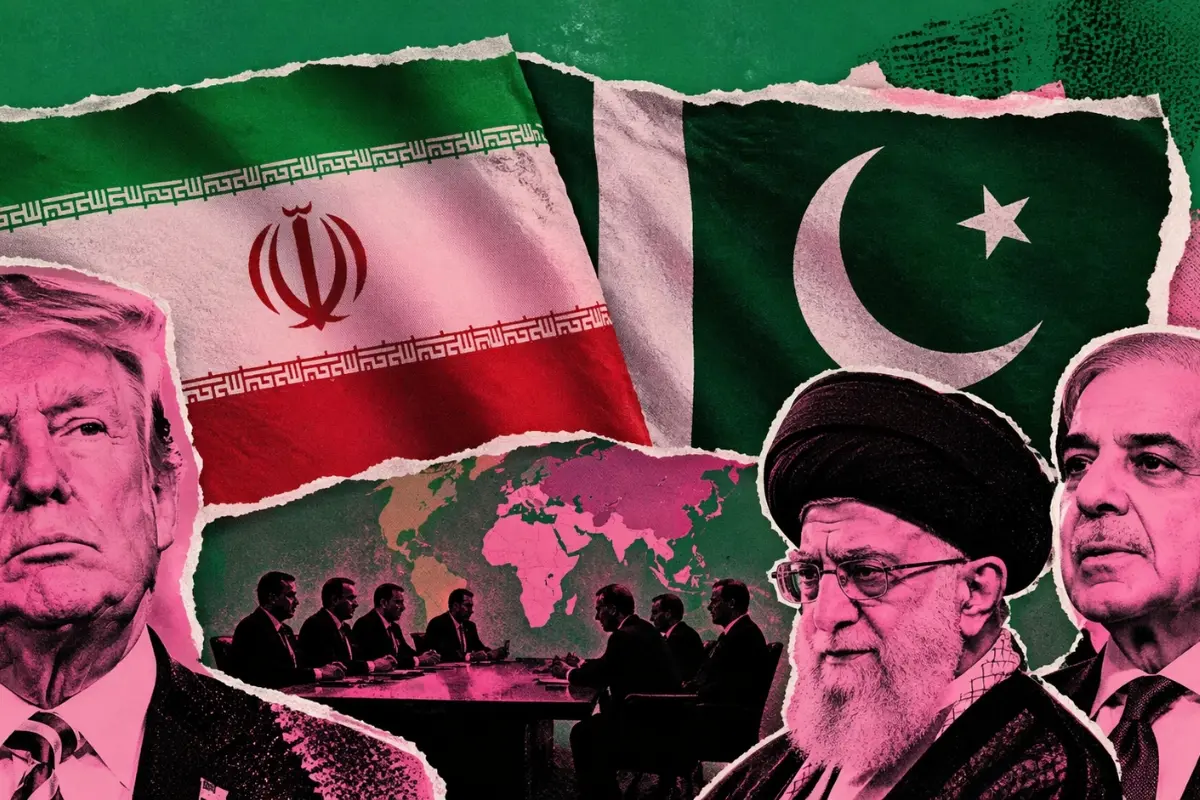
Islamabad (Pakistan): The US Department of State announced on Wednesday the phased closure of its Consulate General in Peshawar, citing significant safety concerns for its diplomatic personnel and the need for more efficient resource management. A State Department spokesperson confirmed on Tuesday that responsibility for diplomatic engagement with Khyber Pakhtunkhwa will transfer to the US Embassy in Islamabad. While the physical presence in Peshawar is being reduced, the administration stated that its policy priorities in Pakistan remain "steadfast".
Shifting diplomatic presence and regional volatility
The decision to withdraw from Peshawar follows a period of extreme regional instability. On 28 February, hostilities commenced between the United States and Iran. Shortly after, on 1 March, unrest broke out across Pakistan following Israeli-US strikes that killed Iran’s Supreme Leader, Ayatollah Ali Khamenei. According to reports from Dawn News, clashes between protesters and law enforcement near the US Consulate in Karachi resulted in at least nine deaths.
By 3 March, the Department of State responded to these escalating risks by ordering non-emergency government employees and their families to leave consulates in Lahore and Karachi. Despite these closures and departures, the US maintains that its embassy in Islamabad and the consulates in Lahore and Karachi remain active. The Department intends to "continue to engage meaningfully with the people and officials of Khyber Pakhtunkhwa to foster economic ties, promote regional security, and advance the interests of the American people".
Security threats and peace overtures
The security landscape in Pakistan remains perilous, with the State Department warning of possible Iranian drone and missile attacks and disruptions to commercial aviation. Internal threats are also a primary concern, with extremist groups active in Balochistan, Khyber Pakhtunkhwa, and the former FATA region. Officials noted that "terrorists may strike without warning," potentially targeting transportation hubs, markets, schools, hospitals, and places of worship.
In the midst of these vulnerable conditions too US Vice President JD Vance visited Islamabad last month. His visit was specifically aimed at conducting Iran-US peace talks. This diplomatic push occurred even as the US issued stern advisories regarding the risk of terrorist violence in major cities including Karachi and Islamabad.
The State Department reiterated that it "remains dedicated to advancing the US-Pakistan relationship through our remaining diplomatic posts".