When the earth shakes, governments tremble: Venezuela's long history of political aftershocks
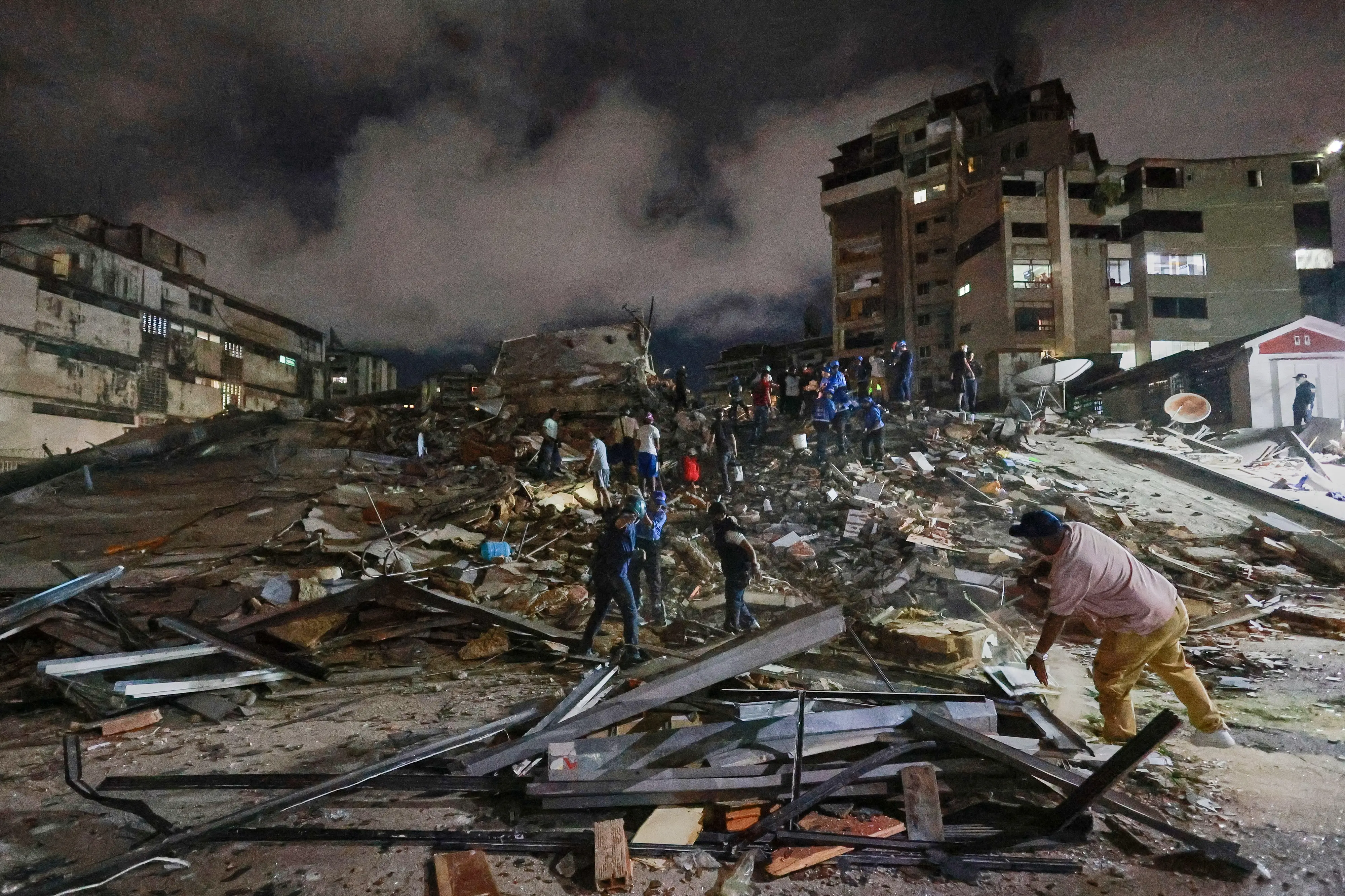
Caracas: As Venezuela grapples with the aftermath of powerful earthquakes that have damaged infrastructure, disrupted daily life and prompted a state of emergency, historians and political observers are once again examining the relationship between natural disasters and political change in the South American nation.
Located along the seismically active Caribbean boundary, Venezuela has experienced several destructive earthquakes throughout its history. In many cases, these disasters have had consequences extending far beyond physical destruction, influencing governments, institutions and national politics.
The 1812 earthquake and the collapse of the First Republic
One of the most significant examples occurred on March 26, 1812, when a devastating earthquake struck Caracas and other parts of Venezuela.
The disaster came shortly after Venezuela's declaration of independence from Spain. Thousands were killed, and the destruction severely weakened the young republic. Royalist religious leaders portrayed the earthquake as divine punishment for the rebellion against Spanish rule, undermining support for the independence movement.
The catastrophe contributed to the collapse of Venezuela's First Republic and forced independence leader Simón Bolívar into exile, making it one of the most politically consequential earthquakes in Latin American history.
The 1967 Caracas earthquake tests democracy
More than a century later, another major earthquake struck the Caracas region in July 1967.
Although the disaster caused significant loss of life and property damage, the government's response helped strengthen confidence in democratic institutions. Authorities improved disaster preparedness, invested in seismic research and modernised building regulations.
The earthquake became an example of how effective crisis management can reinforce public trust rather than weaken it.
When disasters become political turning points
Natural disasters frequently become defining moments for governments because they place state institutions under intense public scrutiny.
Emergency response, rescue operations, aid distribution and reconstruction efforts often influence how citizens judge political leaders. Successful management can enhance legitimacy, while failures can trigger public anger and political instability.
This pattern has been seen across the world, and Venezuela is no exception.
The 2026 earthquake crisis
The latest earthquakes, among the strongest recorded in Venezuela in more than a century, have caused widespread disruption across several regions.
Authorities have reported building collapses, infrastructure damage and emergency evacuations. Acting President Delcy Rodríguez declared a state of emergency as rescue and recovery efforts intensified.
The closure of key infrastructure, including the country's main international airport, has further highlighted the scale of the challenge facing authorities.
Why the response matters
The government's handling of the disaster could prove as important as the earthquakes themselves.
Beyond rescue operations, authorities must manage humanitarian assistance, restore critical infrastructure and reassure a population already facing economic and social pressures.
Political analysts note that disaster responses often become tests of leadership. Public perceptions of competence, transparency and effectiveness can influence political stability long after the immediate crisis has passed.
The political aftershocks
While earthquakes last only seconds, their political consequences can endure for years.
From the collapse of Venezuela's First Republic in 1812 to modern debates over governance and crisis management, natural disasters have repeatedly shaped the country's political trajectory.
As Venezuela begins the long process of recovery from its latest catastrophe, the physical damage may be easier to measure than the political consequences that could emerge in the months and years ahead.