Unauthorised by law? Trump’s 10% tariffs shaken by US court ruling
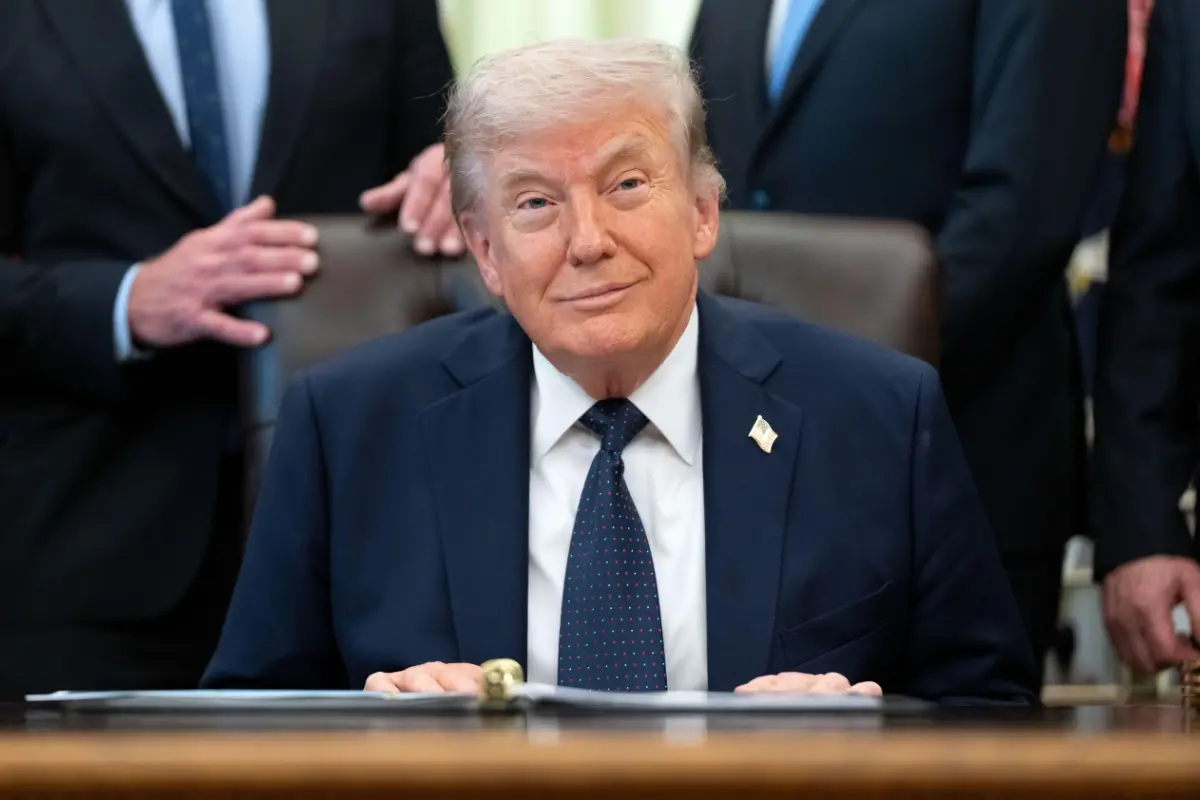
Washington DC: A federal trade court in the United States has struck another blow to Donald Trump’s tariff policy, ruling that the administration’s temporary 10% global tariffs were not legally justified.
In a 2-1 decision, a three-judge panel of the US Court of International Trade in New York said the tariffs exceeded the authority granted to the president by Congress. The court described the measures as “invalid” and “unauthorised by law”.
The ruling comes months after the US Supreme Court rejected a broader set of tariffs imposed by the Trump administration on imports from nearly every country.
The court ruled that the temporary tariffs imposed under Section 122 of the Trade Act of 1974 could not be justified in the manner used by the administration. However, the judges stopped short of blocking the tariffs nationwide.
Instead, the relief currently applies only to the three plaintiffs involved in the lawsuit — the state of Washington, spice company Burlap & Barrel, and toy manufacturer Basic Fun!.
Legal experts involved in the case said uncertainty remains over whether companies outside the lawsuit will still be required to pay the tariffs while the appeal process continues.
Why were the tariffs challenged?
The dispute centred on Trump’s use of emergency powers to justify broad import duties. Last year, the administration invoked the International Emergency Economic Powers Act (IEEPA) of 1977, arguing that America’s long-running trade deficit amounted to a national emergency.
That declaration became the basis for imposing sweeping tariffs on imported goods from multiple countries.
However, the Supreme Court ruled earlier this year that the IEEPA did not grant the president unlimited authority to impose tariffs in such a manner. The Constitution gives Congress the primary power to levy taxes and tariffs, although limited powers can be delegated to the executive branch.
How was India affected?
India was among the countries impacted by the tariff measures. At one stage, Indian exports faced a 25 per cent tariff along with an additional 25 per cent penalty linked to India’s continued imports of Russian crude oil.
An interim India-US trade arrangement later reduced the effective tariff burden to 18 per cent before the broader tariff regime was struck down by the Supreme Court.
The Trump administration is expected to appeal the latest ruling. The case would first move to the US Court of Appeals for the Federal Circuit in Washington and could eventually return to the Supreme Court.
For now, the decision represents another significant legal challenge to Trump’s efforts to expand presidential tariff powers and reshape US trade policy through aggressive import duties.