US terror tag on BLA: A masterstroke or a massive miscalculation by Pakistan?
New Delhi: Pakistan is claiming a diplomatic victory after the United States designated the Balochistan Liberation Army (BLA), along with its militant arm, the Majeed Brigade, as a Specially Designated Global Terrorist (SDGT) entity. However, analysts and Indian intelligence sources suggest that this development might worsen Islamabad’s internal security situation rather than help it.
Is the situation in Balochistan actually under control?
Despite public statements of success, the ground reality in Balochistan paints a grim picture. The region has witnessed a surge in insurgent attacks as the BLA continues to push for an independent Balochistan, accusing the Pakistani state of systemic resource exploitation and repression. The mineral-rich province, which has long been at the heart of Pakistan’s internal conflict, remains volatile. Internet blackouts, energy shortages, and a deteriorating security environment have only added to the region's instability.
Even Pakistani lawmakers are raising alarms. Senator Kamran Murtaza of the Jamiat Ulema-e-Islam openly acknowledged the crisis, stating that conditions have worsened significantly, with a complete internet shutdown lasting weeks.
Will the US terror tag make the BLA more dangerous?
Indian intelligence agencies believe that far from weakening the group, the US designation might push the BLA toward more extreme tactics. They warn that this move could embolden the BLA's narrative of victimhood and further justify their actions to their supporters.
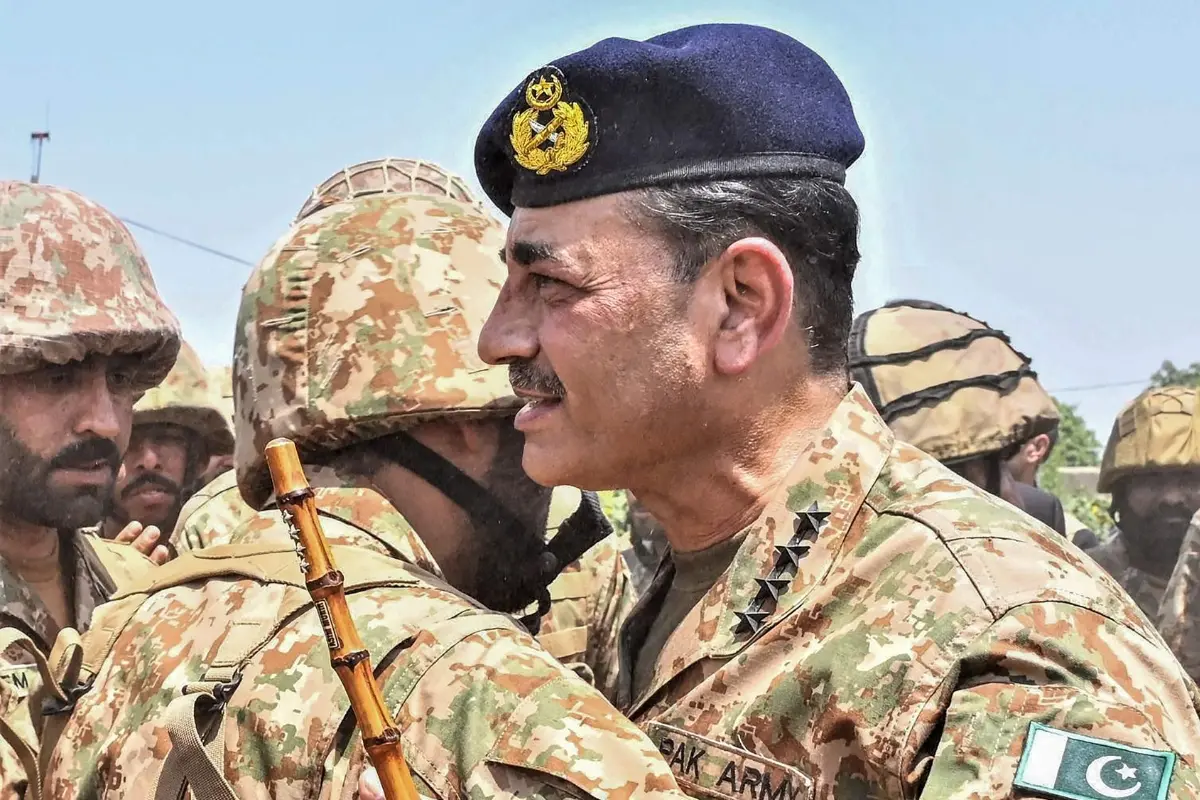
There is also scepticism surrounding Pakistan Army Chief General Asim Munir’s alleged strategy of securing US mineral deals while lobbying for the terror designation. Indian sources argue this could backfire, just as Chinese interests in Balochistan faced severe disruption from local insurgent groups. If the US invests in the region without addressing the core grievances of the Baloch people, it may face similar consequences.
Is Pakistan’s problem limited to Balochistan?
Not at all. The situation in Pakistan-occupied Kashmir (PoK) mirrors Balochistan’s unrest. Locals in PoK have staged massive protests, demanding freedom and basic rights. Earlier this week, the Pakistan Army was forced to intervene to quell one such protest, which escalated into violent clashes.
The region’s residents cite lack of infrastructure, employment opportunities and basic services as the reasons behind their growing frustration. Despite being rich in hydropower and natural resources, PoK sees little benefit from its own wealth. Locals allege that resources are diverted to main cities, while their own communities are left in disrepair.
Is Pakistan’s strategy pushing both regions towards revolt?
According to Indian officials, Pakistan’s approach to Balochistan and PoK is strikingly similar: exploit the resources, suppress dissent, and keep the regions economically and socially backwards. This control-through-neglect strategy may have worked in the past, but resentment is now boiling over.