US claims Iran military crippled after 2,000 strikes in Operation Epic Fury
Washington: The United States has said its ongoing military campaign against Iran has struck more than 2,000 targets, significantly weakening Tehran’s missile arsenal and naval capabilities. The White House defended the decision by Donald Trump to launch Operation Epic Fury, describing the offensive as a major step in countering Iran’s military threat in the Middle East.
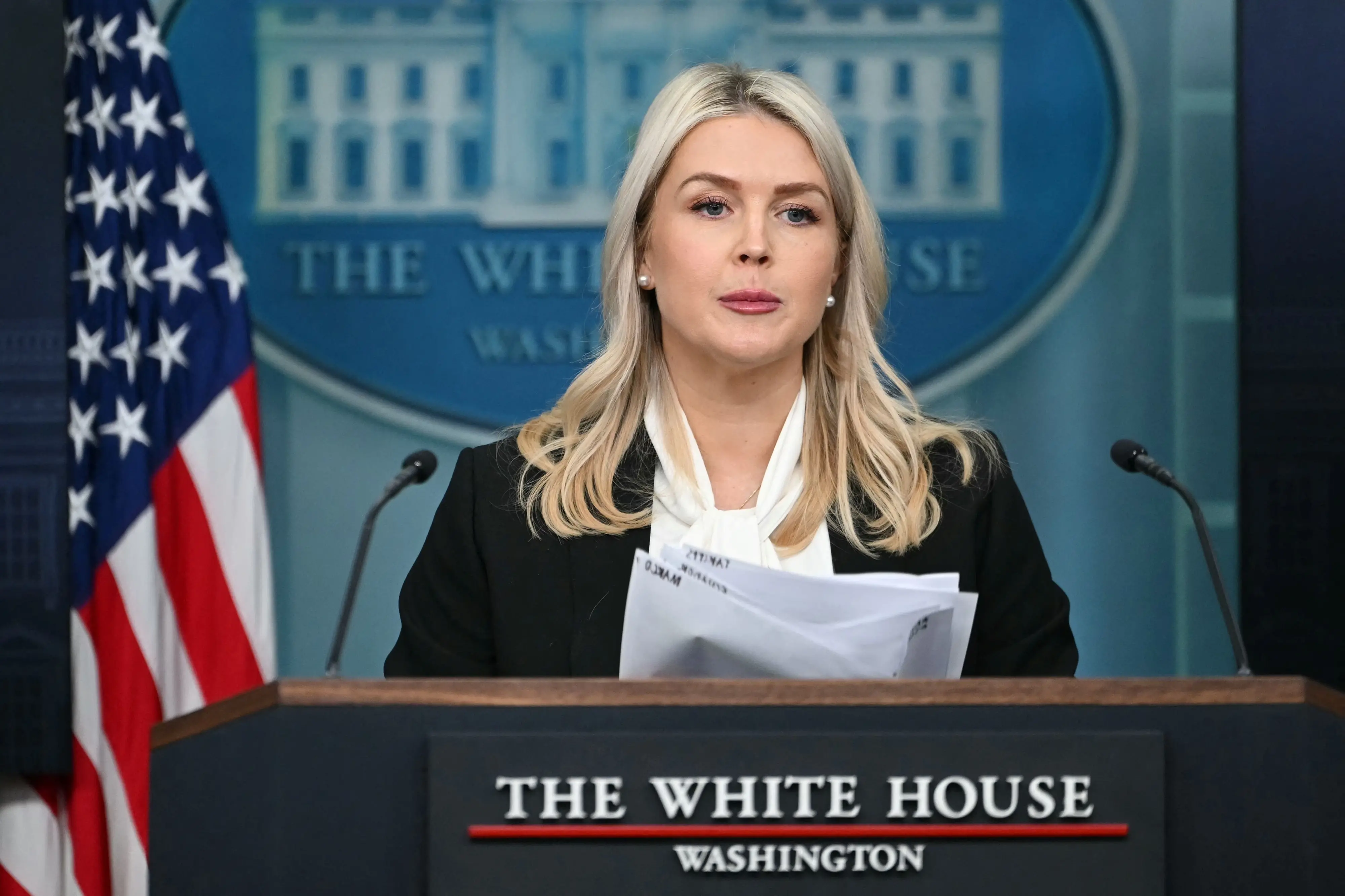
Speaking at the White House on Wednesday, press secretary Karoline Leavitt said the operation, which began last weekend, was designed to neutralise Iran’s missile infrastructure, dismantle its naval strength and prevent the country from developing nuclear weapons.
“Under the leadership of President Donald J Trump, the rogue Iranian terrorist regime is being absolutely crushed,” Leavitt told reporters.
According to the White House, US forces have carried out strikes on more than 2,000 sites across Iran-linked military facilities, destroying hundreds of ballistic missiles, launch systems and drones. Officials said the offensive has already reduced Iran’s capacity to threaten American forces and regional allies.
“It’s safe to say that, thus far, Operation Epic Fury has been a resounding success,” Leavitt said.
Major damage to Iran’s naval fleet
US officials also claimed significant damage had been inflicted on Iran’s naval fleet. Leavitt said American forces destroyed more than 20 Iranian vessels, including what she described as a key submarine targeted with a torpedo — the first such use by US forces since World War II.
She added that Iranian naval activity had effectively halted in strategic waterways.
“There is not a single Iranian ship underway in the Arabian Gulf Strait of Hormuz or the Gulf of Oman,” she said.
Also Read| US Senate hands Trump a major victory: War Powers resolution to curb Iran strikes defeated
US outlines key objectives of Iran strikes
The White House said the military campaign against Iran is guided by four primary objectives:
- Destroy Iran’s ballistic missile capabilities
- Dismantle its naval forces
- Weaken its regional proxy networks
- Prevent Tehran from acquiring nuclear weapons
Leavitt said the scale of Iranian missile launches had dropped sharply since the operation began.
“If you look at the Iranian ballistic missile launches, they’re down 86 per cent from day one levels,” she said.
The Iranian leadership targeted
The administration also claimed senior Iranian leadership figures had been heavily targeted during the campaign.
“49 and counting of the most senior Iranian regime leaders, including the supreme leader, have already been wiped off the face of the Earth,” Leavitt said, describing the strikes as necessary to protect the United States and its allies.
“Make no mistake, killing these brutal terrorists is good for America and makes the world a much safer place,” she added.
US casualties and evacuation efforts
The White House confirmed that six US service members had been killed during the operation. Leavitt said the government was mourning their deaths and that President Trump planned to attend the dignified transfer ceremony honouring the fallen troops.
“These heroes represent the very best among us,” she said.
Officials also said Washington had stepped up evacuation efforts for American citizens in the region. More than 17,500 US nationals have returned from the Middle East since the operation began, including over 8,500 who arrived back in the United States in the previous day alone.
Also read| Iran warship sinking: Trump & Co's worryingly dangerous manoeuvres in the Indian Ocean
Regime change question
When asked whether the United States was seeking regime change in Iran, Leavitt declined to confirm that objective, reiterating that the operation’s focus remains on dismantling Iran’s missile capabilities, naval strength and nuclear ambitions.
However, she said the United States supports greater freedom for the Iranian people.
Strategic importance of the Strait of Hormuz
The Strait of Hormuz, located between Iran and Oman, remains one of the world’s most critical energy chokepoints. Roughly one-fifth of global oil supplies pass through the narrow waterway, making the region strategically vital for international energy markets and global trade.
IANS