Oil routes at risk? US blockade on Iranian ports raises global concerns
Washington: The United States will begin enforcing a sweeping maritime blockade on vessels entering or exiting Iranian ports from April 13, significantly escalating tensions after high-level talks between Washington and Tehran collapsed over Iran’s nuclear programme.
The move, announced by United States Central Command (CENTCOM), follows a presidential directive and targets all maritime traffic linked to Iranian ports across the Arabian Gulf and the Gulf of Oman.
Strait of Hormuz shipping unaffected for non-Iran routes
CENTCOM clarified that the blockade would be enforced impartially across all vessels, regardless of nationality, but ships transiting the Strait of Hormuz to and from non-Iranian ports will not be impeded.
The blockade is scheduled to take effect at 7.30 pm IST on Monday, with commercial vessels advised to monitor navigation alerts and maintain contact with US naval forces operating in the region.
Donald Trump confirms breakdown of Iran nuclear talks
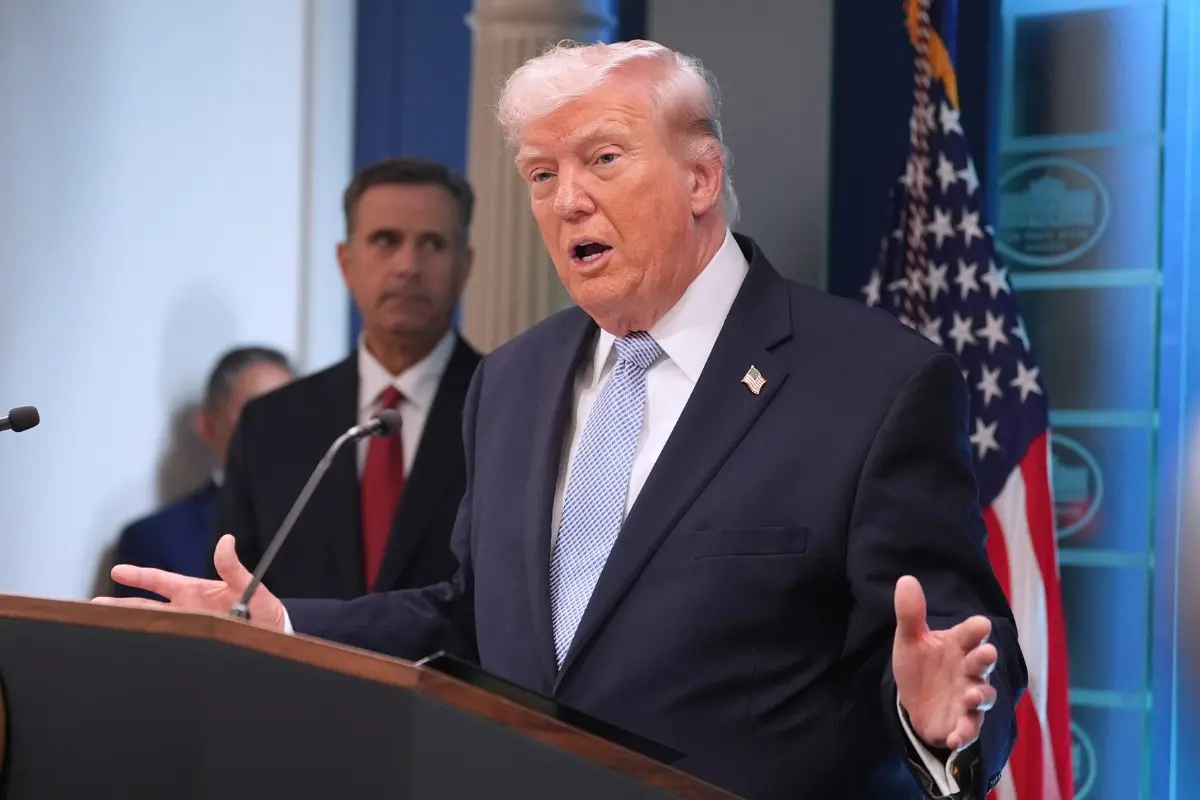
The announcement came shortly after US President Donald Trump said negotiations with Iran had stalled, despite progress on other issues.
“Most points were agreed to, but the only point that really mattered — nuclear — was not,” Trump said, adding that the US Navy would begin blockading ships linked to Iranian ports.
He accused Iran of engaging in “world extortion” by leveraging threats of naval mines in the Strait of Hormuz, a critical corridor for global energy supplies.
Iran rejects move, says talks were close to agreement
Iran strongly criticised the US decision, with Foreign Minister Seyed Abbas Araghchi saying negotiations were close to a breakthrough before being derailed.
Tehran had engaged “in good faith to end war” and was “just inches away” from an agreement before encountering “maximalism, shifting goalposts, and blockade”, he said.
Shipping risks rise amid ‘hazardous zone’ claims
According to analysts and the Institute for the Study of War, the dispute centres on Iran’s use of uncertainty around naval mines in the Strait of Hormuz to exert pressure on global shipping.
Iran has reportedly declared a hazardous zone along key shipping lanes, forcing vessels into its territorial waters and imposing so-called “protection fees”, a practice experts say violates international maritime law.
Oil prices, shipping insurance surge amid crisis
Even limited threats of naval mines have already driven up global oil prices and marine insurance premiums, increasing pressure on energy markets and global trade flows.
US naval forces have begun counter-operations, including mine-clearing efforts and patrols to ensure safe passage. Warships such as the USS Frank E Peterson and USS Michael Murphy have already transited the strait to demonstrate navigational safety.
CENTCOM commander Admiral Brad Cooper said safe maritime routes would be communicated to civilian vessels “as soon as possible”.
Global trade at risk amid escalating US-Iran conflict
The escalation in the Strait of Hormuz — through which a significant share of the world’s oil and gas supplies pass — has heightened concerns over global energy security and supply chain disruption.
IANS