US-Iran war flares again as Kuwait intercepts drones and Bahrain issues security alert
The US-Iran conflict has entered another tense phase, with American forces striking an Iranian missile launch site on Qeshm Island and Iran reportedly launching drones targeting US assets in Bahrain and Kuwait. Kuwait's military said its air defence systems were responding to hostile attacks, while Bahrain urged residents to move to safe locations and follow official safety instructions amid renewed regional tensions.
Kuwait and Bahrain issued fresh security alerts as military tensions between the United States and Iran escalated, with reports of drone attacks and air defence interceptions across the Gulf.
Kuwait's army said its air defence systems were responding to hostile drone attacks. The country's General Staff also clarified that explosions heard in the area were linked to air defence systems intercepting incoming threats, urging residents to follow instructions issued by security authorities.
In Bahrain, the Ministry of Interior asked citizens and residents to remain calm, move to the nearest safe location and rely on official channels for updates. The alert came amid reports of Iranian drone attacks targeting US military assets in the Gulf.
Bahrain hosts the headquarters of the US Fifth Fleet, making it a strategically important location for American military operations in the region.
US strikes Iranian missile site on Qeshm Island
The latest escalation included a US fighter jet strike on an Iranian military target on Qeshm Island, near the Strait of Hormuz.
According to a US military official, American forces used precision munitions to strike a missile launch site in response to what Washington described as Iranian aggression targeting US personnel and military assets.
The strike was reportedly aimed at preventing Iran from using the site to threaten American forces in the region. US forces have previously carried out similar operations against military targets on Qeshm Island.
Iranian media, citing an official, reported that the latest US attack did not damage infrastructure.
The exchange followed claims by Iran's Islamic Revolutionary Guards Corps (IRGC) that it had targeted a US military radar system at Bahrain's Sheikh Isa air base. Bahrain said it intercepted the attack and reported no casualties or damage.
Diplomatic efforts continue despite renewed fighting
The latest military exchanges have complicated ongoing efforts to end the conflict, which began with US and Israeli strikes on Iran on February 28.
Diplomatic discussions involving Oman and Qatar are continuing as regional governments attempt to prevent further escalation.
Qatar and Iran held discussions aimed at narrowing differences over proposals to end the war. Qatari officials said the talks focused on bridging disagreements between the positions presented by both sides.
Iranian Foreign Minister Abbas Araghchi also visited Oman, where he discussed maritime security, international shipping, trade and efforts to prevent further military escalation with Omani officials. He also met Sultan Haitham bin Tariq and reportedly briefed him on Iran's diplomatic initiative to end the conflict.
Oman has played a role in discussions concerning maritime traffic through the Strait of Hormuz, a critical international shipping route connecting the Gulf with global markets.
Tanker attacks raise concerns over Strait of Hormuz
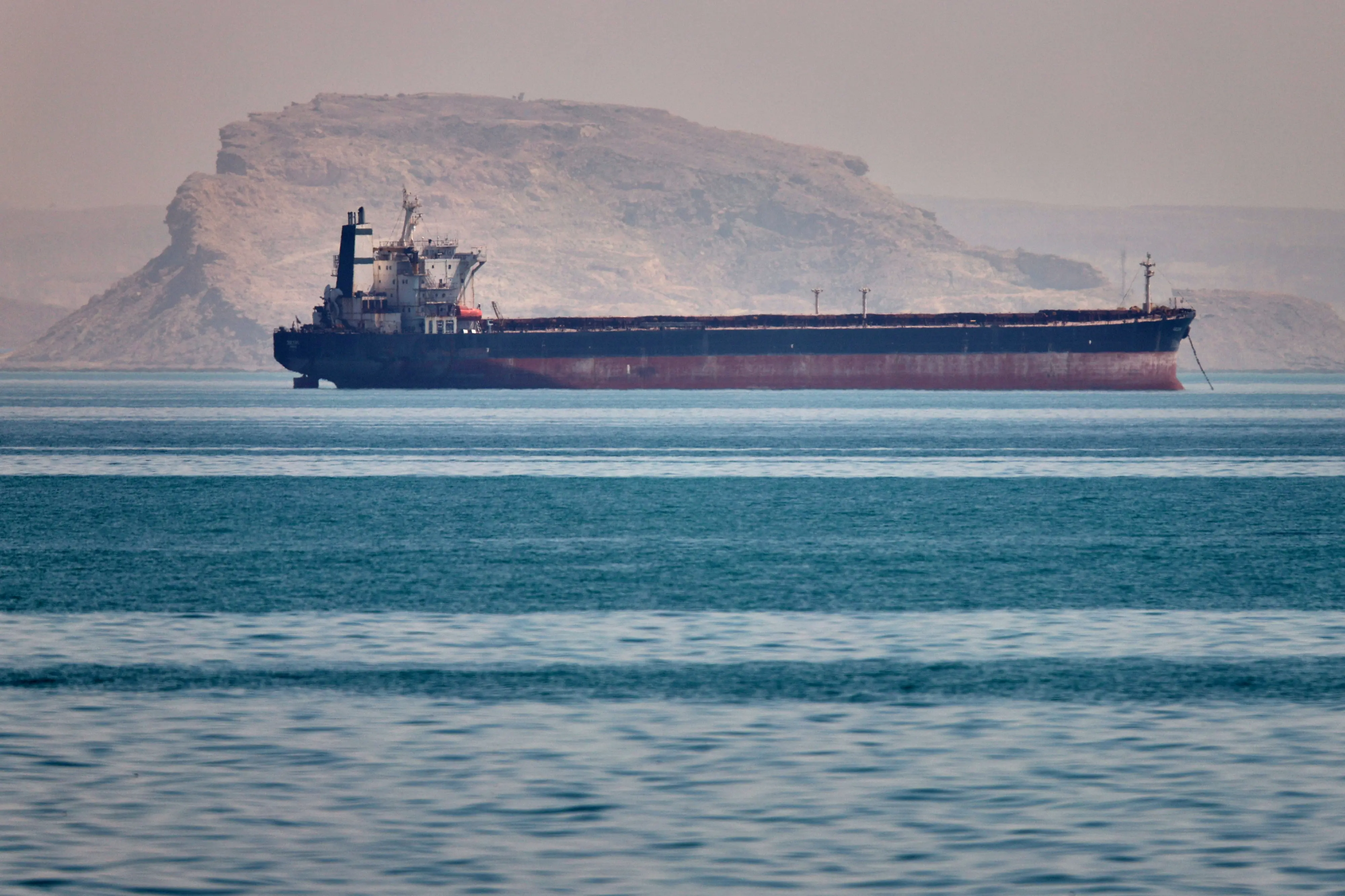
The security situation around the Strait of Hormuz has deteriorated amid reports of attacks on commercial vessels.
The United Kingdom Maritime Trade Operations (UKMTO) agency said the crew of a tanker travelling through the waterway was unaccounted for following an attack north of Oman's port city of Khasab.
Iran's Revolutionary Guards and navy also claimed that a liquefied natural gas vessel and two oil tankers had caught fire in the strait. These reports could not be independently verified by Reuters.
The Strait of Hormuz is one of the world's most important energy transit routes. Before the conflict, approximately one-fifth of global oil and liquefied natural gas supplies passed through the waterway. Disruptions to shipping have raised concerns about energy supplies, freight costs and global fuel prices.
Trump maintains naval blockade as oil prices remain elevated
US President Donald Trump has said Washington will continue its naval blockade of Iran, citing Tehran's disruption of shipping through the Strait of Hormuz.
The blockade remains one of the key obstacles in efforts to reach an agreement, as military pressure and economic restrictions continue alongside diplomatic discussions.
Brent crude futures reportedly rose 0.4 per cent to $92.76 a barrel on Tuesday. Prices remain below the wartime peak of $126.41 recorded in April but are significantly higher than pre-conflict levels.
The prolonged disruption has affected the global economy, with energy prices and shipping risks adding to financial pressures across countries.
Iran warns Bahrain over its ties with Washington
Iran has also increased pressure on Bahrain over its military and security relationship with the United States.
The latest tensions followed Bahrain's sentencing of 64 people, most of them Shi'ite clerics, to life imprisonment on charges of colluding with Tehran to undermine the state. Iran condemned the verdict and rejected the allegations.
Iran's Revolutionary Guards spokesperson Hossein Mohebbi reportedly criticised Bahrain's cooperation with Washington and its position on Shi'ite religious authorities, warning that its actions could have consequences for its position in the region.
Tehran has repeatedly denied interfering in Bahrain's internal affairs, while the latest exchanges have added another layer of tension to the conflict.
How the conflict reached this stage
The war began on February 28 with US and Israeli strikes on Iran, including an attack that killed Iran's Supreme Leader Ayatollah Ali Khamenei.
The Trump administration initially expected the conflict to conclude within weeks. However, Iran has continued resisting US demands despite military operations, economic pressure and diplomatic efforts.
The conflict has since moved into a prolonged phase marked by a naval blockade, limited US strikes, drone attacks and intermittent military exchanges rather than continuous large-scale fighting.
Trump has indicated that Washington intends to maintain its current military approach without immediately returning to a full-scale offensive. The strategy has left the region in an uncertain situation, with military activity continuing while diplomatic channels remain open.
The deployment of the USS Theodore Roosevelt to the US Central Command area of responsibility on November 15, joining two other aircraft carriers in the Middle East, has further underscored the scale of the American military presence in the region.