US-Iran war: Trump says one thing, Iran says another as nuclear talks hit fresh hurdle
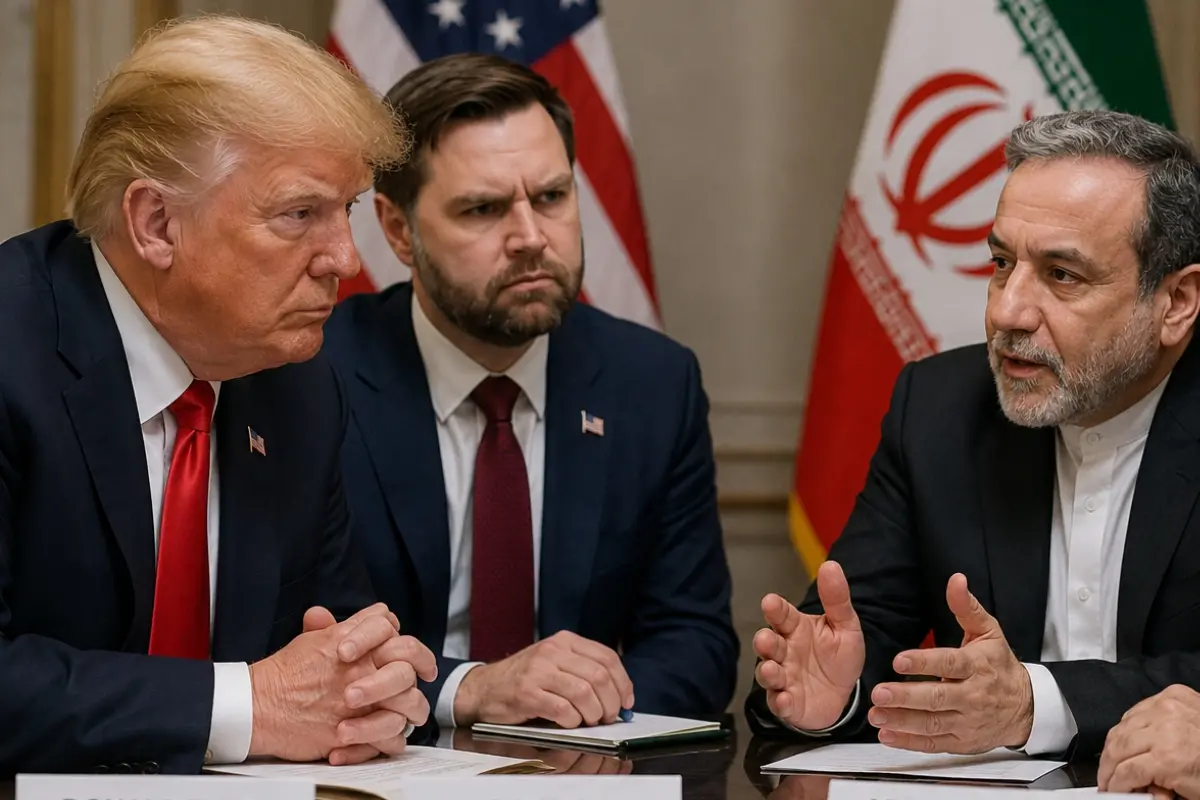
Washington DC: The United States and Iran are publicly contradicting each other over whether Tehran has agreed to allow inspectors from the International Atomic Energy Agency (IAEA) access to its nuclear facilities as part of ongoing negotiations.
Iran's Foreign Ministry spokesperson Esmail Baghaei said inspectors were not currently scheduled to examine nuclear sites that had previously been targeted by US strikes, directly challenging statements made by senior American officials.
US President Donald Trump responded by insisting that Iran had agreed to inspections in principle and warned that he would immediately end the talks if Tehran refused access.
"If they were right, I'd cancel the meetings right now," Trump told reporters during a visit to Pennsylvania.
Trump said inspections would occur "at the appropriate time" and maintained that negotiations were progressing.
Negotiations continue in Switzerland
The disagreement comes as technical teams from both countries continue negotiations in Switzerland aimed at turning a temporary understanding into a broader long-term agreement.
The current framework reportedly includes Iranian commitments to dilute part of its stockpile of enriched uranium in exchange for sanctions relief, while both sides work within a 60-day window to negotiate a more comprehensive arrangement.
Iranian officials say the talks have created working groups focused on sanctions relief, nuclear issues, reconstruction and regional security mechanisms.
Strait of Hormuz remains a major concern
At the same time, international efforts are underway to address the shipping bottleneck in the Strait of Hormuz, one of the world's most important energy transit routes.
The International Maritime Organization announced plans to gradually move thousands of stranded sailors and ships through the waterway after securing safety guarantees from regional governments, Iran, Oman, the United States and maritime operators.
According to the organization, approximately 11,000 crew members have been affected by disruptions linked to the recent conflict and security concerns in the strait.
US Secretary of State Marco Rubio said Washington's position is that Iran will not be allowed to impose tolls or restrictions on shipping through the strait as part of any final agreement.
Ship traffic still below normal levels
Shipping data shows that traffic through Hormuz remains below pre-war levels. Before the conflict, roughly 100 ships crossed the strait each day. Recent figures showed only 39 crossings on Monday, following 92 crossings over the previous three days.
Analysts say the gradual reopening of the route is positive for global energy markets, but uncertainty remains over long-term security arrangements and who will ultimately control navigation conditions in the area.
Iran refuses talks on missile programme
Iranian President Masoud Pezeshkian, speaking during a visit to Pakistan, made clear that Tehran's missile programme remains off the negotiating table.
"If it was not for Iran's missile capabilities, our country would have been plundered and destroyed," he said, adding that Iran would "never compromise or negotiate" over its missile arsenal.
Pezeshkian said the current memorandum of understanding with the United States does not include restrictions on Iran's missile programme.
Trump claims Iran has been weakened
Trump argued that Iran's military and strategic position had been significantly weakened by recent events and said the United States was negotiating from a position of strength.
"The big thing is Iran will not have a nuclear weapon," Trump said.
He also suggested that any future economic arrangement could include humanitarian provisions related to food and medicine supplies for Iran.
Senate war powers vote creates political split
The diplomatic talks are unfolding as Trump faces political pressure at home after the US Senate approved a war powers resolution requiring congressional approval for any further military action against Iran.
The vote, which passed 50-48 with support from four Republican senators, represented one of the most significant breaks between Trump and members of his own party during his second term.
Trump sharply criticised the resolution, arguing that it made negotiations and security policy more difficult.
Meanwhile, tensions involving Israel and Hezbollah remain a potential threat to the broader diplomatic effort. Iran has indicated that a lasting truce in Lebanon is an important element of any comprehensive regional settlement, while Israel says it will continue acting against perceived security threats in southern Lebanon.
Despite the ongoing disagreements, negotiators from Washington and Tehran are continuing discussions on nuclear oversight, sanctions relief, shipping security and regional de-escalation, with the 60-day negotiating window now underway.