‘US-Iran mistrust can’t be solved overnight’: JD Vance ahead of Pakistan peace talks
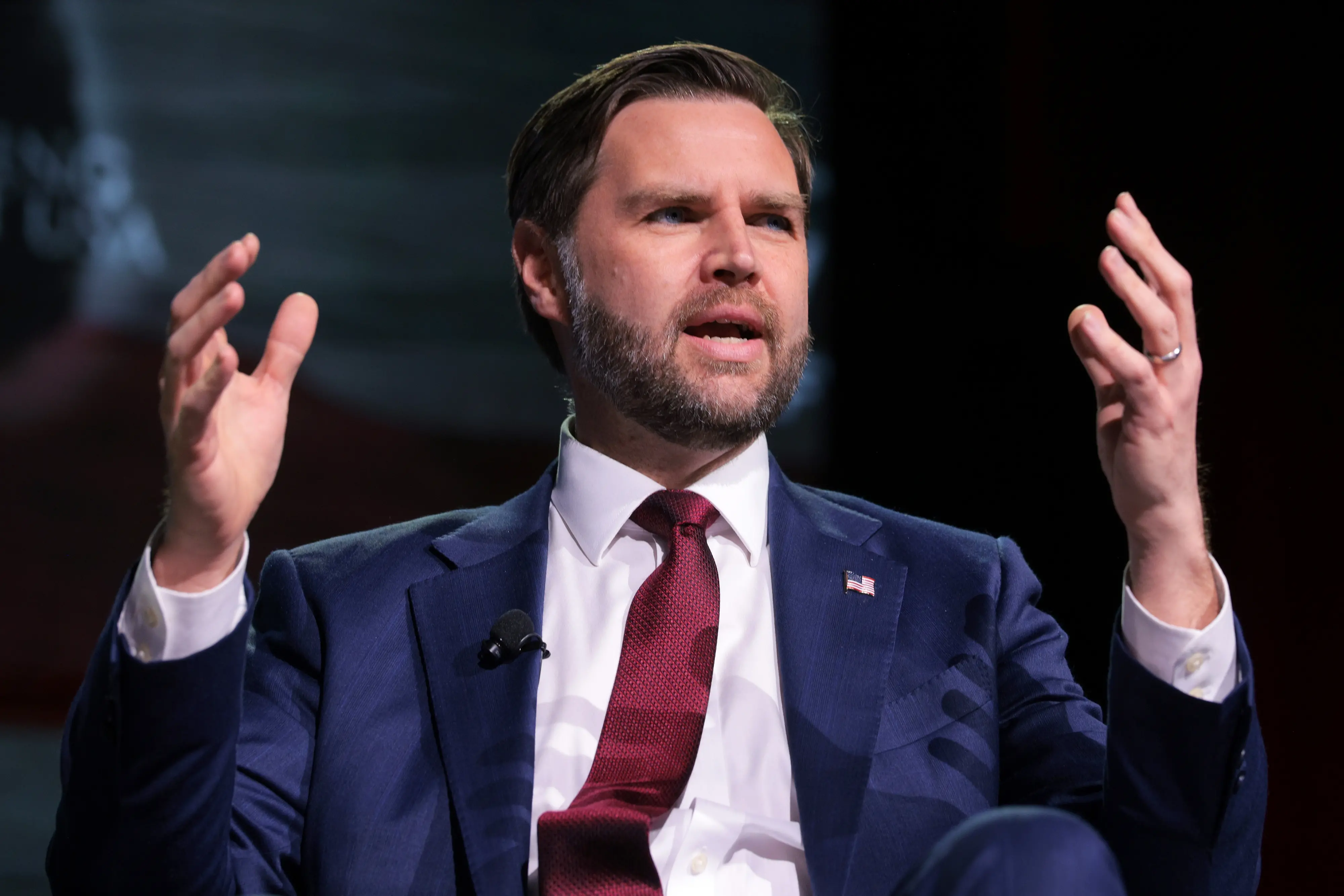
US Vice President JD Vance on Tuesday warned that longstanding distrust between Washington and Tehran remains the central obstacle to ending the Iran war, even as both sides prepare for a possible second round of negotiations in Pakistan this week. Speaking at a Turning Point USA event, Vance said the diplomatic path was still open and that Iranian negotiators appeared willing to engage despite deep tensions.
“There is a lot of, of course, mistrust between Iran and the United States of America. You are not going to solve that problem overnight,” he said. Still, Vance noted that Iranian representatives “wanted to make a deal,” adding: “I feel very good about where we are.”
His remarks come at a delicate stage in efforts to salvage talks following the collapse of last weekend’s marathon negotiations in Pakistan, which ran for more than 21 hours but ended without progress.
Talks to resume in Pakistan within days
President Donald Trump said discussions aimed at ending the conflict could resume in Pakistan “over the next two days”, as both governments weigh whether the fragile two-week ceasefire, now halfway through, can be expanded into a broader agreement.
Pakistan, which hosted the previous round of US-Iran engagement, has emerged as the key diplomatic venue, with Vance leading the US delegation in what became the highest-level direct contact between the two nations in decades. Although the talks stalled, neither side withdrew from the process, and diplomatic channels remain active.
Officials familiar with the discussions say the remaining week of the ceasefire has created a narrow but critical window to assess whether confidence-building measures can move the rivals closer to a political deal.
Nuclear freeze proposal highlights deep divide
The most contentious issue in last weekend’s talks centred on Iran’s nuclear programme. Washington pushed for a 20-year halt to uranium enrichment, while Tehran countered with a five-year suspension, a proposal US negotiators deemed insufficient.
The differing timelines, along with disagreements over verification and long-term guarantees, prevented even an interim understanding. Vance’s comments on mistrust reflect this broader challenge: neither side is yet convinced the other is prepared to commit to durable concessions beyond the temporary ceasefire.
US blockade adds pressure before next round
The failure of the Pakistan talks was followed by a significant escalation, as Washington began enforcing a blockade on ships entering and leaving Iranian ports through the Strait of Hormuz. The move forms part of a wider pressure campaign aimed at reshaping Tehran’s negotiating calculus ahead of the next round.
The blockade has heightened concerns about regional stability, global oil supply disruptions and the risk of further escalation. Analysts say the strategy may strengthen Washington’s leverage but could also prompt Tehran to harden its stance.