World recalls 26/11 horror; US supports India as Rana extradited
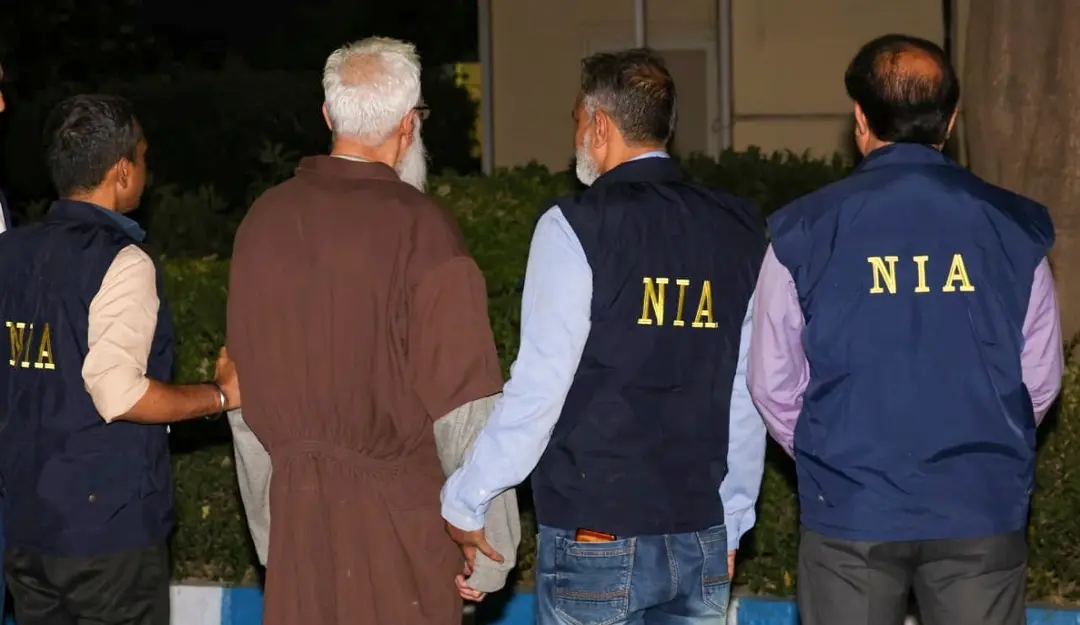
Washington DC: The United States has reaffirmed its support for India’s pursuit of justice in connection with the 2008 Mumbai terror attacks, as Pakistani-Canadian national Tahawwur Hussain Rana was extradited to India this week to stand trial for his alleged role in the 26/11 carnage.
Rana, 64, was extradited on April 9 after the U.S. Supreme Court denied his final appeal against the transfer. A team led by the National Investigation Agency (NIA) returned to India with Rana late Thursday, marking a major development in India's efforts to bring the accused to justice nearly 16 years after the deadly attacks.
Rana, a close associate of David Coleman Headley—one of the key conspirators behind the Mumbai attacks—is wanted in India for facilitating the Lashkar-e-Taiba (LeT)-planned operation that left 166 people dead, including six Americans.
Speaking on the development, US State Department spokesperson Tammy Bruce said, “The United States has long supported India's efforts to ensure those responsible for these attacks are brought to justice. Rana is now in India’s possession, and we are very proud of that dynamic.” She described the 26/11 attacks as a tragedy that shocked the world and encouraged people to revisit the gravity of the incident.
The US Department of Justice echoed these sentiments, calling the extradition a “critical step toward seeking justice” for the victims, both Indian and foreign, who lost their lives in the attacks.
Rana’s final appeal had included claims of potential torture if extradited to India, citing his Pakistani background, Muslim identity, and deteriorating health. His petition, which cited multiple medical conditions including Parkinson’s disease and kidney disease, was ultimately rejected by both Associate Justice Elena Kagan and the full US Supreme Court.
Legal and diplomatic efforts for his extradition had been underway for years, with Indian agencies working closely with their American counterparts to complete the procedural and legal requirements.
Rana’s arrival in India now sets the stage for a high-profile legal trial linked to one of the most significant terror attacks in modern Indian history. The 2008 assault targeted multiple locations in Mumbai, including the Taj Mahal Palace Hotel, Chhatrapati Shivaji Maharaj Terminus, and the Jewish outreach centre Nariman House.
The attacks were orchestrated by the Pakistan-based terrorist group Lashkar-e-Taiba and were carried out by 10 heavily armed men who arrived by sea. Nine of them were killed during the counter-operations, while one, Ajmal Kasab, was captured alive and later executed in India in 2012 after a full trial.
India has repeatedly called for justice for the victims and accountability from those involved in the conspiracy. The extradition of Tahawwur Rana, long seen as a key link in the planning network, is being viewed as a diplomatic and judicial milestone in that effort.
(With PTI inputs)