US cyclospora outbreak hits record high; lettuce eyed as cause
New York: A major surge in infections caused by the diarrhea-inducing parasite cyclospora has made 2026 the worst year on record for the illness in the United States, according to state-level public health data.
Infections have surfaced in more than 30 states, with current case counts eclipsing the previous national record of roughly 4,700 cases set in 2019. While cyclosporiasis can cause severe discomfort, it is rarely life-threatening and is generally treatable with standard antibiotics.
Public health agencies have not yet definitively established the primary source of the contamination. Federal officials noted on Tuesday that infection patterns appear to vary by region, though they suspect that cases across at least four states—Michigan, Ohio, Kentucky, and West Virginia—are interconnected.
Michigan focuses on salad greens
Michigan has emerged as a major hotspot, documenting more than 3,300 cases. State health investigators say early data points toward lettuce or mixed salad greens as a potential vector.
Following more than 1,000 patient interviews, Natasha Bagdasarian, the chief medical executive for the Michigan health department, noted that “early information has shown lettuce as a common product that regularly comes up during the investigation.”
Given this pattern and the history of produce driving past Cyclospora outbreaks, Michigan authorities are advising consumers to buy whole heads of lettuce instead of bagged varieties or pre-mixed salad kits. They recommend stripping away the outer leaves and washing the remaining lettuce thoroughly before consumption.
Corporate and federal responses
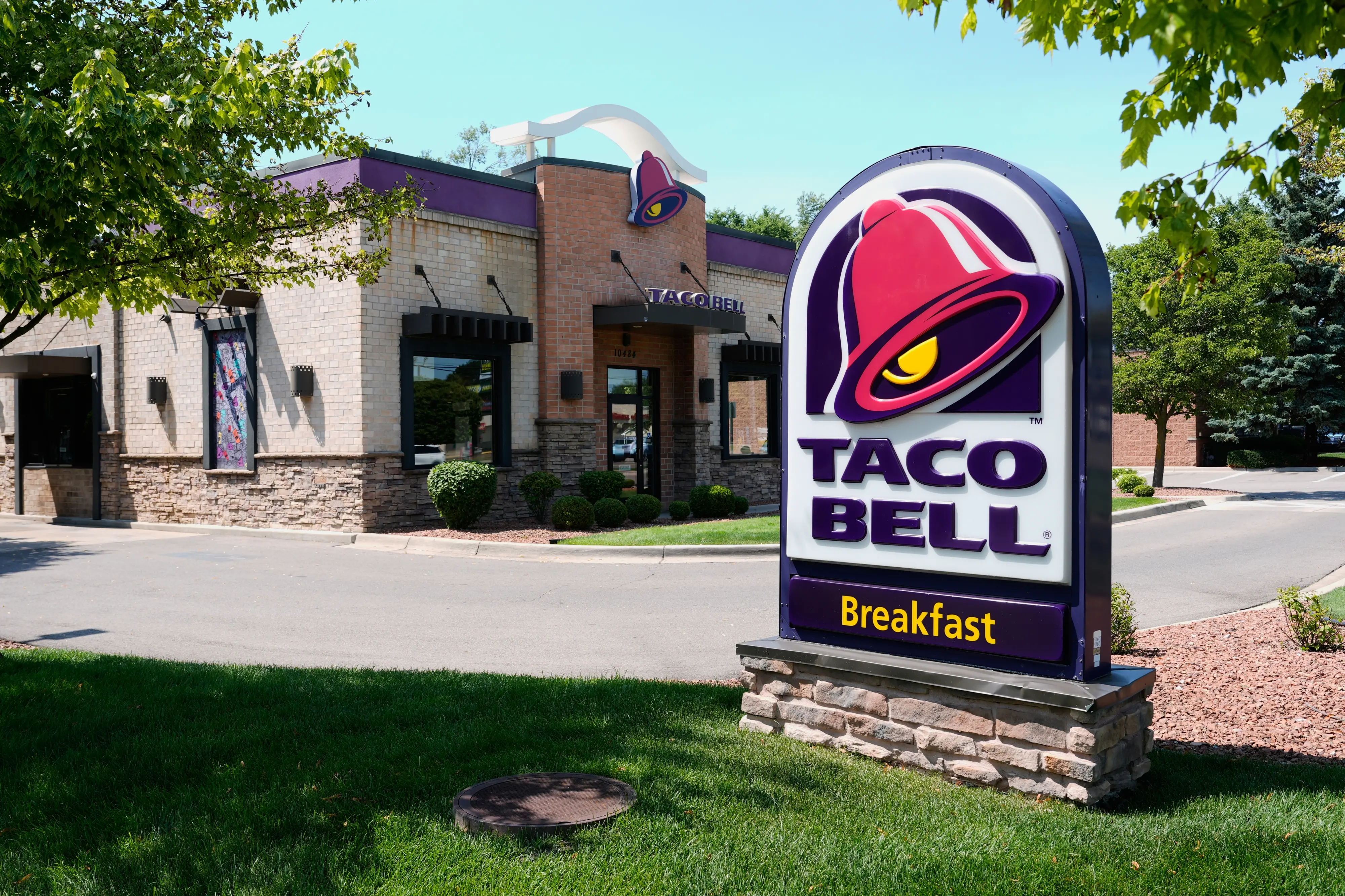
In response to the developing situation, the Taco Bell fast-food chain announced on Tuesday that it had “voluntarily and temporarily removed limited ingredients at select restaurants as a precautionary measure. We will continue to closely monitor the situation and follow the guidance of public health authorities."
During a media briefing on Tuesday, federal health representatives declined to comment directly on whether their investigation includes Taco Bell or any other specific food distributors or suppliers.
Donald Prater, the US Food and Drug Administration's Acting Deputy Commissioner for Food, stated that the “FDA certainly is continuing its traceback investigation on multiple produce items, also including locations that are reported by the case patients before they became sick.”
Understanding the parasite
According to the US Centers for Disease Control and Prevention (CDC), Cyclospora is a microscopic, round parasite that targets the intestinal tract. It typically induces watery diarrhea “with frequent and sometimes explosive bowel movements”. These outbreaks occur most frequently during the late spring and summer months.
The heat-thriving parasite is transmitted through fecal contamination. Past outbreaks have generally been traced back to fresh fruits or vegetables that came into contact with irrigation water contaminated by human or animal waste.
Cyclosporiasis is historically less prevalent than bacterial foodborne illnesses like Salmonella or E coli. For decades, domestic outbreaks were rare, and many infections went unsolved. However, cases began trending upward about 10 years ago, culminating in significant spikes in 2018 and 2019.
Public health experts suggest that historical numbers were likely artificially low because standard food poisoning tests were not designed to screen for Cyclospora. They credit the recent rise in documented cases to enhanced diagnostic tools alongside the compounding effects of climate change.
The scope of the 2026 outbreak
The previous peak for US infections occurred in 2019, with approximately 4,700 confirmed and suspected cases.
While the CDC tracks national data, its official tallies often lag behind the real-time reporting of state and municipal health departments. On Tuesday, the CDC distributed a health alert confirming 1,645 domestic cases since May 1, alongside more than 5,100 additional cases currently undergoing analysis to determine if they were contracted within the US. The agency reported zero fatalities across the 34 affected states.
Gwen Biggerstaff, deputy director of the CDC’s Division of Foodborne, Waterborne, and Environmental Diseases, cautioned that the true scope of the outbreak is likely much larger. Many individuals with milder symptoms may recover without seeking medical attention or being tested.
Because it can take anywhere from a few days to several weeks for symptoms to manifest after exposure, it is difficult to determine exactly when or where current patients are contracting the parasite. However, Biggerstaff noted that federal officials expect documented cases to rise steadily through the end of August.
Regional breakdown
While the CDC has confirmed an ongoing multi-state investigation, it did not provide a state-by-state breakdown in its latest alert. Local tallies, however, show high concentrations: Michigan has seen over 3,300 infections, northwest Ohio has verified more than 1,100, New York City has logged over 400, and Illinois has registered more than 200.
Health officials do not believe every domestic case stems from a single origin. In Illinois, over half of the infected individuals reported recent international travel, suggesting their illnesses were contracted abroad. Conversely, Michigan health officials believe the vast majority of their local cases are tied to a shared, domestic source. Federal agencies have not yet disclosed the specific data linking the cases across Michigan, Ohio, Kentucky and West Virginia.
AP