US consortium seeks USD 4.4 billion for LNG project in Pakistan: Report
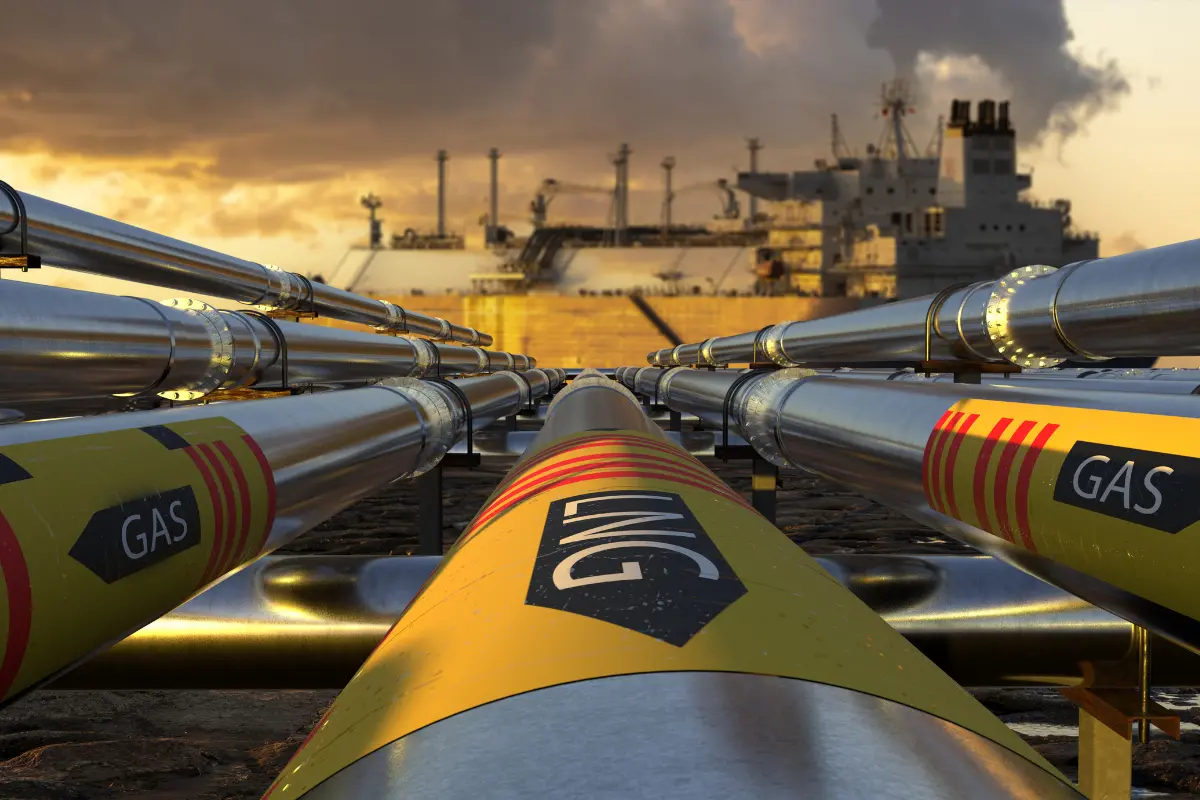
Islamabad: A consortium of American companies, with backing from US President Donald Trump's administration, is seeking investments of up to USD 4.4 billion to develop an integrated liquefied natural gas (LNG) project in Pakistan, according to a media report.
The proposed venture will cover the entire LNG supply chain, including imports, storage, regasification, gas transmission and sales to large consumers on a merchant basis, Dawn newspaper reported on Monday.
The project comes as Pakistan looks to strengthen its energy infrastructure, particularly its capacity to store imported LNG. The country currently has no LNG storage facilities and remains dependent on import infrastructure and international energy prices for its supplies of regasified natural gas.
LNG is natural gas cooled to approximately minus 162 degrees Celsius, converting it into liquid form and reducing its volume by around 600 times. This makes it easier to transport and store in specialised facilities and ships. At the destination, it is converted back into gas through regasification before being supplied to consumers.
The fuel is widely used for electricity generation, industrial operations, fertiliser production, heating and cooking. It is also used in some vehicles and ships.
Who is behind the proposed LNG project?
The consortium comprises US-based Global Vision Energy Partners (GVEP) and Khanjee Holdings, along with strategic co-investors from other countries and Luxembourg-based General Mediterranean Holding.
The proposed venture resembles the earlier Energas project, which involved the Lucky Group and QatarEnergy. That initiative was eventually abandoned after the sponsors cited changes in Pakistan's energy policies and requirements, along with unresolved policy and fiscal issues.
The new project's sponsors have secured consent from the Port Qasim Authority for the proposed site and submitted an application to the Oil and Gas Regulatory Authority (OGRA) for a provisional licence, Dawn reported.
Port Qasim, located near Karachi in Pakistan's Sindh province, lies along the Arabian Sea coastline in the Indus Delta region.
The project has also been approved for consideration under the US Trade and Development Agency's project preparation programme. It could receive partial funding from the US Development Finance Corporation, while the US Export-Import Bank may provide export credit guarantees for technology, equipment and services.
Two phases, USD 4.4 billion investment
The consortium intends to execute the project in two stages, with the first phase involving the construction of an LNG terminal and storage infrastructure.
The initial phase is estimated to cost USD 1.7 billion and will include four storage tanks, with an expected annual handling capacity of 35 billion cubic feet (BCF).
The second phase will involve laying an approximately 1,100-km pipeline with a diameter of 42-48 inches to transport natural gas to other parts of Pakistan.
The pipeline is expected to have a transportation capacity of around 1.2 billion cubic feet per day (BCFD). With this phase, the overall project investment would rise to USD 4.4 billion, according to the report.
A special purpose vehicle (SPV) has been incorporated to hold the project's assets and liabilities while keeping its financial risks separate. The entity will develop, own and operate the facility as a regional LNG storage, regasification and trading hub.
The proposed hub is expected to cater to Pakistan's domestic gas requirements while also serving suppliers from the United States and West Asia.
Global investors approached for funding
Government support for the proposal has been conveyed through the Ministry of Maritime Affairs and the Petroleum Division of the Ministry of Energy, the report said, citing project documents.
The consortium is also looking to bring in Pakistani investors for up to 10 per cent equity participation. Indicative investments are expected to start at USD 50 million per investor.
Potential strategic investors being approached include global energy and infrastructure funds, along with institutional investors such as Grey Rock Investment Partners, Kohlberg Kravis Roberts & Co, Blackstone Inc, Saudi Arabia's Public Investment Fund and the Kuwait Investment Authority.
However, their participation is yet to be finalised and remains subject to due diligence, investment approvals and definitive agreements. No binding equity commitments have been confirmed so far, the report said.
Why Port Qasim matters
The consortium considers Port Qasim a strategically suitable location because of its existing port infrastructure and accessibility for LNG carriers.
Its location outside the Strait of Hormuz is another important consideration. The strait is one of the world's most critical energy shipping routes and a major geopolitical chokepoint.
Locating the proposed LNG terminal outside the strait could offer logistical advantages for international energy shipments, particularly for suppliers from the United States and West Asia.