US blockade in Strait of Hormuz reportedly costs Iran $4.8bn in oil revenue
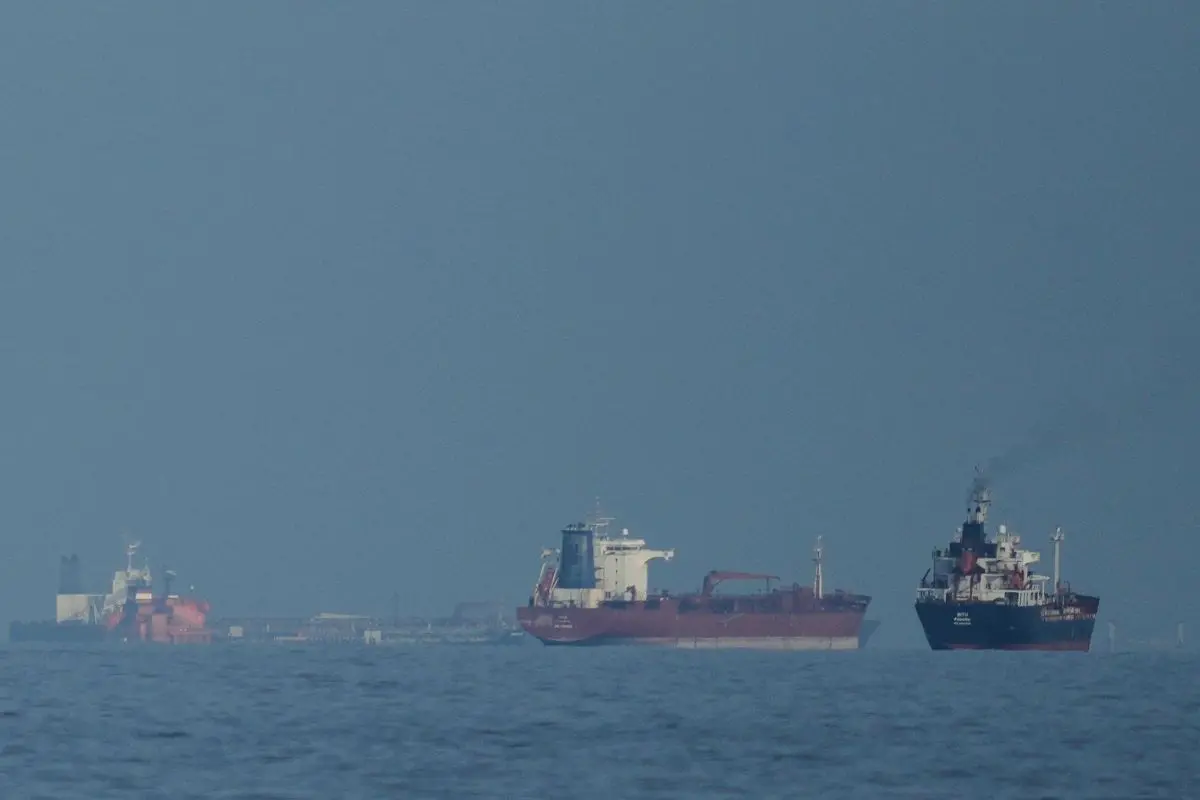
The United States’ naval blockade in the Gulf of Oman and surrounding maritime routes has reportedly cost Iran nearly $4.8 billion (3.8 billion Euro) in lost oil revenue, according to a report by Axios citing Pentagon estimates.
The assessment suggests Tehran has been denied close to $5 billion in earnings due to disruptions linked to US enforcement operations targeting sanctioned maritime trade and energy exports. Officials say the measures are part of a broader effort to increase economic pressure on Iran.
The developments come amid heightened tensions around the Strait of Hormuz, one of the world’s most critical oil transit chokepoints.
ALSO READ | Iran reportedly submits fresh proposal to end war with US as Strait of Hormuz remains blocked
Highlighting the report, Pentagon spokesman Sean Parnell, in his role as Assistant to the Secretary of War for Public Affairs, cited remarks from Acting Press Secretary Joel Valdez. According to Parnell, Valdez said the US operation was designed to maintain sustained economic pressure on Tehran.
In a post on X, Valdez was quoted as saying the blockade was “operating with full force” and delivering its intended impact, adding that US forces would continue to apply “unrelenting pressure” on Iran’s ability to fund destabilising activities in the region.
Separately, US Treasury Secretary Scott Bessent used strong language to criticise Iran’s leadership, claiming they were out of touch with realities on the ground. Writing on X, he asserted that the United States maintains full control over the Strait of Hormuz and indicated the blockade would continue until what he described as “freedom of navigation” is restored to conditions seen prior to 27 February.
ALSO READ | Trump renames Strait of Hormuz to ‘Strait of Trump’; says Iran blockade could last months
Bessent also pointed to economic strain within Iran, including shortages of US dollars and reports of food and fuel rationing, while claiming the international community had turned against Tehran.
Iranian officials responded sharply. The Iranian Embassy in South Africa dismissed Bessent’s remarks in a statement on social media, accusing US leadership of defeat and criticising the tone of his comments.
The blockade was reportedly imposed on 13 April following the collapse of talks in Islamabad aimed at ending the conflict, marking a significant escalation in tensions between Washington and Tehran.