Why the US is asking Pakistan about its 20 year Afghanistan war role
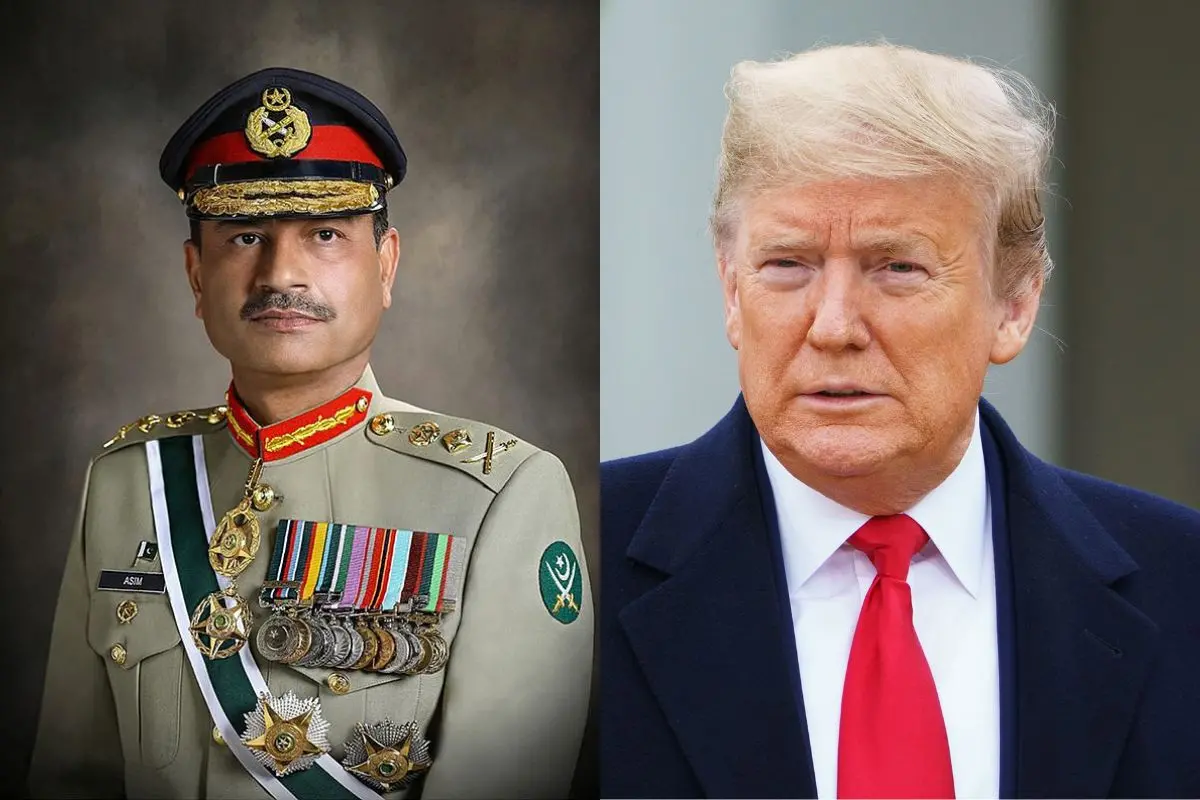
A delegation from the US Afghanistan War Commission met Pakistan Army chief Field Marshal Asim Munir in Rawalpindi on Monday as the commission reviews the United States’ 20-year war in Afghanistan.
According to the Pakistan Army, the delegation and Munir discussed matters of mutual interest, regional security and developments in Afghanistan.
The talks also covered Pakistan’s role and support during the US-led conflict. The army said the delegation acknowledged Pakistan’s long-standing involvement and sacrifices during the war and its contribution to regional peace and stability.
Munir presented Pakistan’s perspective on the security dynamics surrounding the conflict and the challenges faced by the country during the prolonged war in neighbouring Afghanistan.
Why is the commission reviewing Pakistan’s role?
The US Congress established the Afghanistan War Commission in 2021 as an independent body to examine US decisions during its 20-year engagement in Afghanistan, from June 2001 to August 2021.
The commission is examining the strategic, diplomatic and operational aspects of the conflict. Pakistan’s experience is relevant to that review because of its geographic proximity to Afghanistan and its involvement in the regional security environment throughout the war.
The Pakistan Army said Munir stressed the importance of including regional perspectives and Pakistan’s experience when assessing the conflict.
The meeting therefore provided the commission with Pakistan’s account of the security challenges and its role during the US-led war, while the commission continues its broader assessment of American policy and decisions.
The scale of the Afghanistan war
The United States withdrew its forces from Afghanistan in August 2021, bringing its two-decade military involvement in the country to an end.
Around 800,000 US service members served in Afghanistan during the conflict. According to figures cited in the report, 2,238 US service members were killed and nearly 21,000 were wounded.
The conflict also caused extensive Afghan casualties, including civilians and security personnel, amid Taliban attacks, Islamic State violence and military operations involving Afghan and international forces.
The Rawalpindi meeting forms part of the commission’s wider fact-finding process. Its review covers the decisions and actions that shaped the US engagement in Afghanistan, including the military, diplomatic and strategic dimensions of the conflict.
Pakistan’s account could provide the commission with a regional perspective as it examines the events that led to the US withdrawal in 2021 and the broader consequences of the war.
The meeting is significant because the US review is looking beyond battlefield operations at the wider decisions that shaped the Afghanistan war. Pakistan was a key regional actor throughout the conflict, making its account relevant to questions involving border security, regional diplomacy and the relationship between the US, Afghanistan and Pakistan.