November 27 is now UN day against child marriage: What it means and how it could impact India
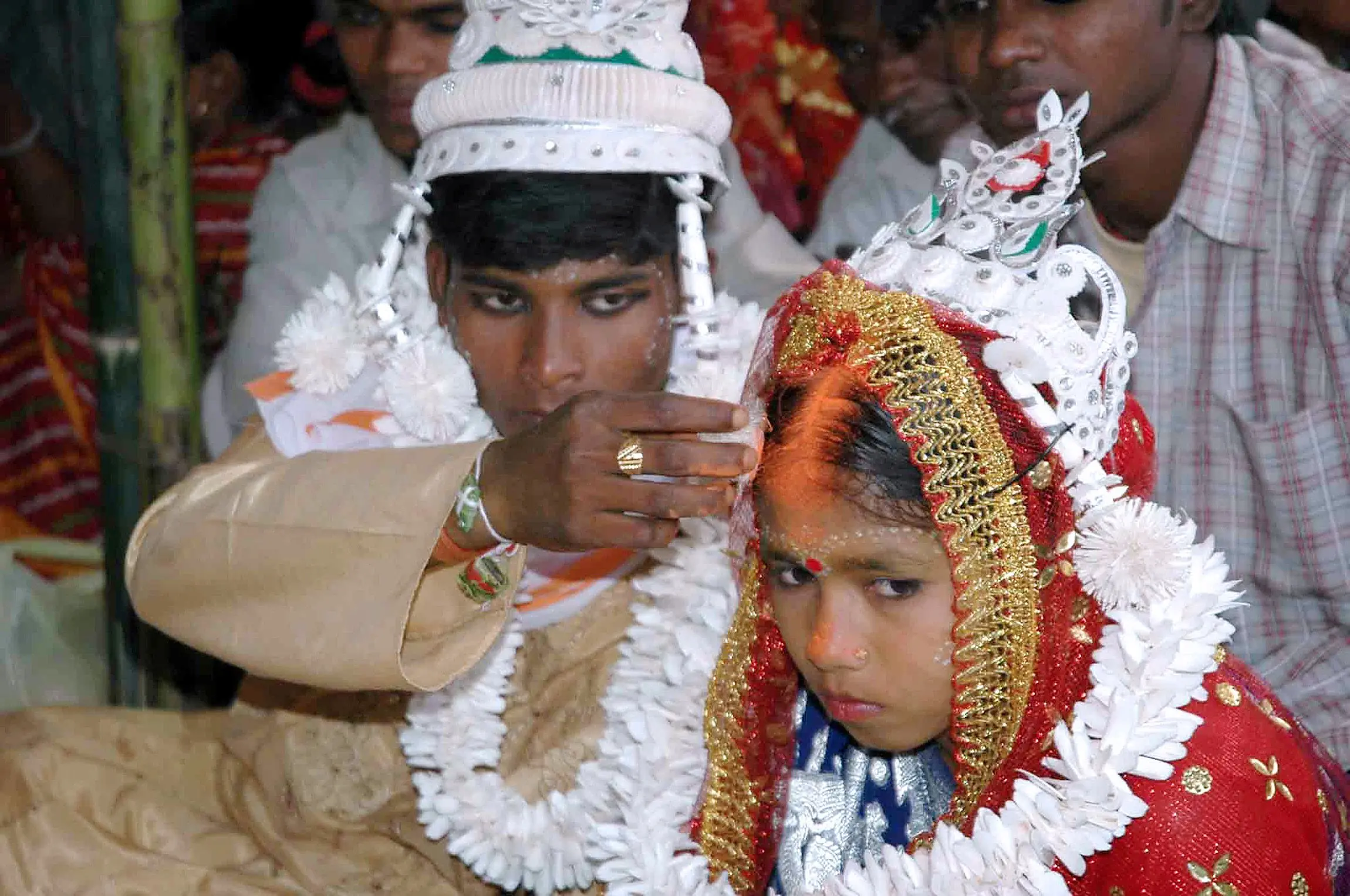
The United Nations has designated November 27 as the International Day for the Elimination of Child, Early and Forced Marriage. But what does having an international day actually mean, why was November 27 chosen, and can a UN-designated day make a difference to the fight against child marriage?
What is the new UN day?
The UN General Assembly has declared November 27 every year as the International Day for the Elimination of Child, Early and Forced Marriage.
It is a designated international observance intended to draw attention to child marriage and encourage governments, civil society organisations and communities to take action to prevent the practice.
The day covers three connected forms of marriage involving children or young people: child marriage, early marriage and forced marriage.
Why does the UN need a day against child marriage?
An international day does not create a new global law banning child marriage.
Its importance is primarily in keeping the issue visible and creating a recurring global platform for action.
Every year on November 27, governments, UN agencies, schools, civil society organisations and other groups can use the day to: raise awareness about child marriage; highlight data and progress; discuss gaps in laws and enforcement; promote children's access to education and healthcare; encourage governments to strengthen prevention and protection measures; draw attention to communities where child marriage remains prevalent.
In other words, the day is designed to turn the issue into an annual global priority rather than a concern discussed only when individual cases emerge.
ALSO READ | Africa bigger, West smaller: How a UN map vote will reshape global order
Why was November 27 chosen?
The date has particular significance for India.
India launched its Bal Vivah Mukt Bharat campaign on November 27, 2024, as part of its efforts to eliminate child marriage.
The campaign associated with Just Rights for Children and its founder Bhuwan Ribhu subsequently pushed for November 27 to receive international recognition.
The resolution was introduced at the UN by Sierra Leone, with its First Lady, Dr Fatima Maada Bio, playing a prominent role in supporting the initiative.
That means the date has effectively moved from being associated with India's national campaign to becoming an internationally recognised day.
Does the UN day make child marriage illegal?
No. This is an important distinction.
The UN designation does not itself create a new criminal law in India or automatically change the marriage laws of other countries.
Individual countries remain responsible for their own laws, enforcement systems and child-protection policies.
The significance of the resolution is that it creates international recognition and a common annual platform for countries to work towards eliminating the practice.
How could it affect India?
For India, the declaration could strengthen attention around the existing Bal Vivah Mukt Bharat campaign.
November 27 can now serve two purposes: it remains associated with India's national campaign while also becoming part of a worldwide effort.
It could help provide a recurring platform for:
1. Greater awareness
Campaigns can focus attention on the consequences of child marriage and the legal protections available to children.
2. Better monitoring
Governments and organisations can use the annual observance to publish data and assess whether child marriage is declining.
3. More pressure for implementation
The international commitment could increase pressure on governments to ensure that existing laws and child-protection mechanisms are effectively implemented.
4. Focus on education
Because child marriage can interrupt children's education, particularly for girls, the international campaign is closely linked to keeping children in school.
5. International comparison
Countries can use the day to compare progress and identify areas where further intervention is required.
ALSO READ | India looks bigger: How UN’s Equal Earth map redraws the mental geography of power
Is India already making progress?
The data cited in the report indicate a decline.
According to the NFHS figures provided, 23.3% of women aged 20-24 were married before the age of 18 in NFHS-5 (2019-21).
The figure cited for NFHS-6 (2023-24) is 20.1%.
The Indian government has also set a target of reducing the prevalence of child marriage by 10% by 2026.
The UN declaration therefore comes at a time when India is already attempting to reduce the practice through a national campaign.
What does it mean globally?
The declaration connects the issue to the UN's wider Sustainable Development Goals.
SDG Target 5.3 calls for the elimination of harmful practices, including child, early and forced marriage.
The international target is to eliminate child marriage by 2030.
November 27 therefore gives governments and organisations a fixed annual opportunity to assess how far they have progressed towards that deadline.
Will one international day actually end child marriage?
Not by itself.
The real impact will depend on what governments and organisations do around it.
An international day can increase visibility, encourage reporting and create political pressure. But reducing child marriage requires practical measures such as effective enforcement of laws, access to education, healthcare, child-protection systems and support for vulnerable families and children.
So the UN declaration should be understood as a platform for action rather than a solution in itself.
What this really means
The biggest significance of the decision is that November 27 has moved from a campaign date to an international observance.
For India, this gives the Bal Vivah Mukt Bharat campaign an international dimension. For other countries, it creates a common date around which governments and organisations can discuss their own progress.
The declaration also gives advocates a new mechanism for accountability. Each November 27 can become an opportunity to ask: How many children are still being married? What has changed since the previous year? Are laws being enforced? Are girls staying in school? And what more needs to be done before 2030?
However, the declaration does not automatically change India's marriage laws, cancel existing marriages or impose penalties on offenders.
Its impact will ultimately be measured by whether the annual international focus translates into stronger prevention, better enforcement, improved education and greater protection for children.