Trade wars, tariffs and TikTok: What to expect from Trump–Xi summit | EXPLAINER
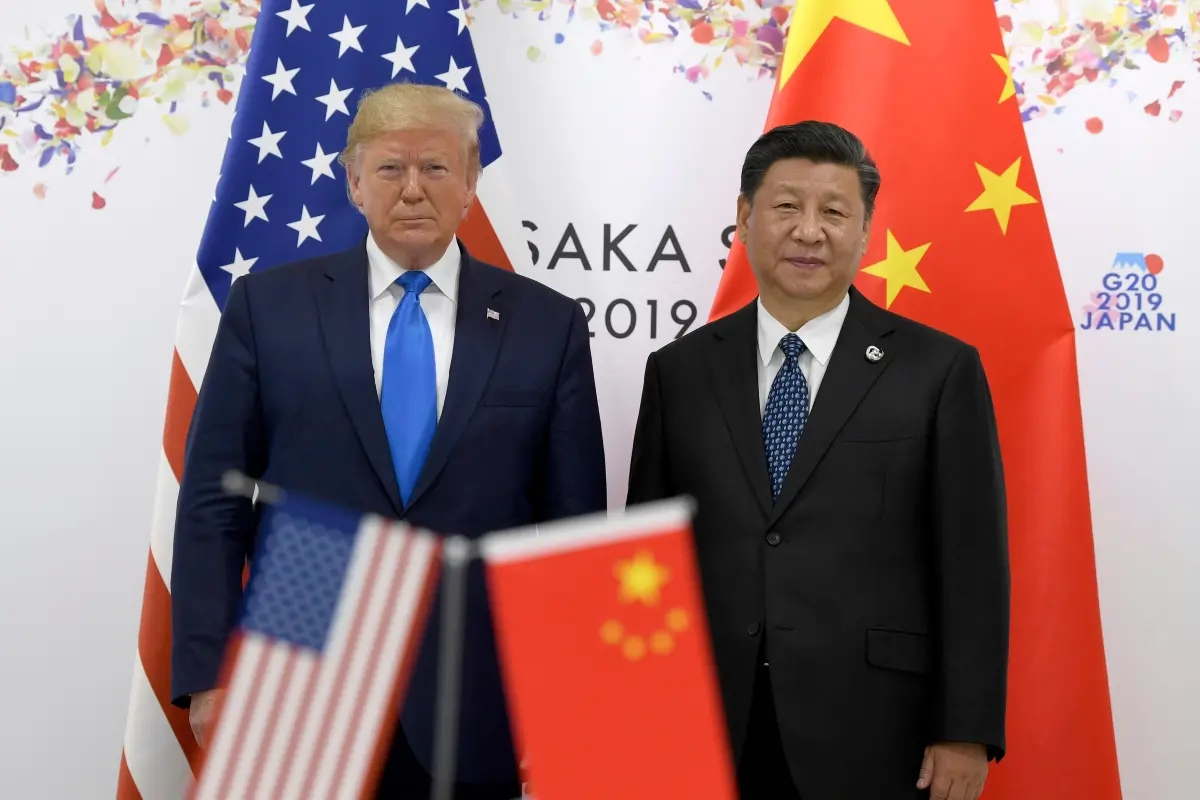
United States President Donald Trump and Chinese President Xi Jinping are set to meet on Thursday, marking their first encounter since 2019. The meeting comes at a time when Washington and Beijing are entangled in a multi-front trade conflict and are vying for influence on the global stage.
Below are the major issues expected to feature prominently in their discussions.
Rare earths
Rare earths, a strategically important sector controlled largely by China, are vital for manufacturing in defence, automotive industries, and consumer electronics. The subject is expected to take centre stage in negotiations.
Beijing recently introduced sweeping export controls on rare earth materials and related technologies. In response, Trump swiftly announced 100 percent tariffs on all Chinese goods, originally scheduled to take effect on Saturday. The decision raised fears of another round of trade war escalation.
However, Trump has since moderated his stance, admitting that such a tariff rate is “not sustainable”, while expressing optimism that “a deal on rare earths can be struck.”
Fentanyl tariff
A 20 percent tariff on Chinese goods over Beijing’s handling of the fentanyl problem has been in place since March. Trump indicated that he expected to reduce these tariffs a day before his meeting with Xi.
Trump has accused China of failing to curb the trafficking of fentanyl and other powerful opioids into the United States. Beijing, however, has rejected the claim, maintaining that it has cooperated with Washington and asserting that tariffs “will not solve the drug problem.”
Soybeans
China retaliated against Trump’s fentanyl tariffs by imposing levies on US agricultural products, particularly soybeans. More than half of US soybean exports went to China last year, but Beijing halted all purchases as tensions escalated.
The impact has been severe for US farmers, who represent a crucial support base for Trump. Following US–China trade talks in Malaysia over the weekend, described as a warm-up to the Trump–Xi meeting, US Treasury Secretary Scott Bessent revealed that Beijing had agreed to make “substantial” purchases.
Ukraine war
Trump has confirmed that the Russian invasion of Ukraine will be part of his discussions with Xi.
Washington has repeatedly urged major energy buyers, including China, to reduce imports of Russian oil, which the US and Kyiv argue are funding Moscow’s war efforts.
China, a key trading partner of Russia, insists it remains neutral on the conflict. Trump has sought to leverage his personal rapport with Russian President Vladimir Putin, though progress towards ending the war has so far eluded him.
Ukrainian President Volodymyr Zelensky on Tuesday urged Trump to press Xi to scale back China’s support for Russia when they meet.
Taiwan
Taiwan has long been a sensitive issue in US–China relations. Beijing views the self-governing island as part of its territory and has not ruled out the use of force to achieve unification.
While Washington recognises only Beijing, US law requires it to supply Taiwan with weapons for self-defence. US Secretary of State Marco Rubio said on Saturday that the United States was not considering “walking away from Taiwan” in exchange for a trade deal with China.
Reports suggest that Beijing has urged Trump to publicly state that the US opposes Taiwan independence.
Chips and Artificial Intelligence
Artificial intelligence and semiconductor technology are also expected to come up during the summit.
Beijing has been ramping up its chip production to counter US export restrictions on components essential for AI systems. Nvidia CEO Jensen Huang warned on Tuesday that Washington must allow the sale of American-made AI chips to China for Silicon Valley to maintain its global leadership in the field.
Currently, Nvidia’s chips are not sold in China due to a mix of national security restrictions, Chinese government bans, and ongoing trade tensions.
TikTok
Another major issue is the fate of TikTok, the popular social media platform whose US operations Washington has been attempting to separate from Chinese parent company ByteDance, citing national security concerns.
Expectations for progress are high. Trump recently signed an executive order allowing the platform to be placed under the control of a consortium of US investors, many of whom are his allies.
Treasury Secretary Bessent confirmed that Trump and Xi will “consummate that transaction on Thursday.”
(With agency inputs)