‘We could take it very easily’: Trump on Iran’s Kharg Island sparks tension
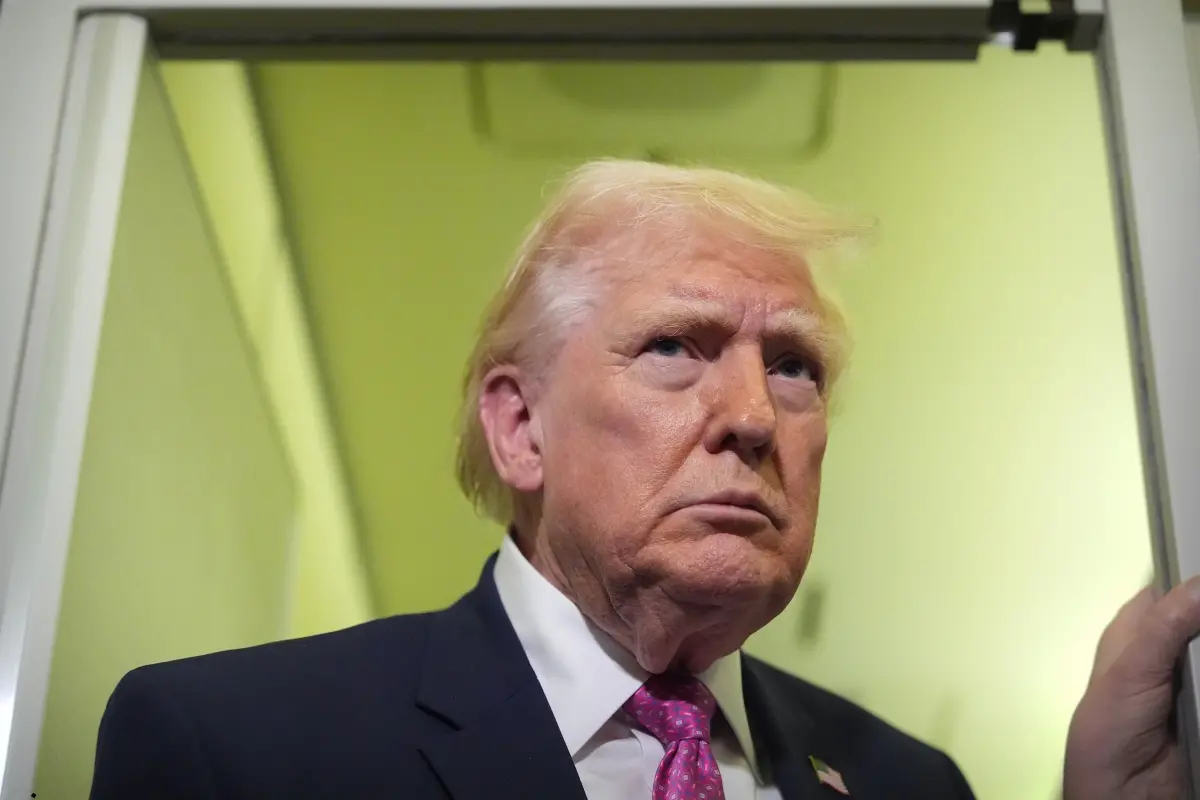
Washington DC: US President Donald Trump has said the United States may attempt to take control of Kharg Island, a strategically important terminal that handles most of Iran’s oil exports.
Speaking in an interview, Trump stated that his “preference would be to take the oil in Iran”, indicating a potential shift from limited strikes to direct control of energy infrastructure.
US President Trump to the Financial Times, “To be honest with you, my favorite thing is to take the oil in Iran, but some stupid people back in the U.S. say, "Why are you doing that?" But they’re stupid people.”
Kharg Island, located off Iran’s western coast, is central to the country’s economy. Any attempt to capture it would mark a major escalation in the ongoing conflict involving the US, Israel and Iran.
US military build-up signals readiness for ground operations
The United States has significantly increased its military presence in the region. Around 10,000 troops trained for ground operations have been deployed, including Marines and personnel from the 82nd Airborne Division. Thousands more are expected to arrive, suggesting preparations for operations that could involve seizing and holding territory.
Despite this, Trump said the US still has “a lot of options” and has not confirmed whether such an operation will take place. Military analysts warn that capturing and holding Kharg Island would require sustained deployment and could lead to prolonged engagement.
Risks of escalation and potential casualties
Experts caution that targeting a heavily strategic location like Kharg Island could increase the risk of casualties and extend the duration of the conflict. While Trump claimed Iran may not have strong defences on the island, such assessments remain uncertain.
Any ground operation would likely involve complex logistics and could draw the US deeper into a prolonged military engagement in the region.
Oil prices surge as global markets react
The conflict has already had a strong impact on global energy markets. Oil prices have risen sharply, with Brent crude crossing $116 per barrel. One of the main concerns is the security of the Strait of Hormuz, a vital route through which nearly one-fifth of the world’s oil supply is transported.
Disruptions in this region could lead to further price increases, affecting fuel costs and economies worldwide.
Regional tensions widen with new attacks
The conflict has expanded beyond initial areas, drawing in other parts of the Middle East. Yemen’s Houthi movement has launched missile attacks, raising concerns about the safety of shipping routes such as the Bab el-Mandeb Strait.
Recent strikes have also impacted neighbouring countries. In Kuwait, an Iranian attack on a power facility killed an Indian worker and caused significant damage. Earlier, an attack on a Saudi air base injured US personnel and damaged military equipment.
Claims of leadership changes in Iran disputed
Trump has claimed that the conflict has led to “regime change” in Iran following the reported killing of Supreme Leader Ali Khamenei. He also suggested that Mojtaba Khamenei, believed to be his successor, may be dead or seriously injured.
However, Iranian authorities have rejected these claims, stating that the country’s leadership remains intact despite limited public appearances, which have fuelled speculation.
Diplomatic efforts continue despite rising tensions
Despite strong rhetoric, Trump indicated that indirect negotiations with Iran are ongoing. He expressed confidence that a deal could be reached soon and has set a deadline for Tehran to agree to terms or face further strikes on its energy infrastructure.
He also claimed that Iran allowed certain oil shipments through the Strait of Hormuz as a goodwill gesture, though this has not been independently verified.
Conflict enters critical phase
The situation remains highly volatile, with military escalation and diplomatic efforts happening at the same time. The possibility of targeting key oil infrastructure such as Kharg Island has raised concerns about a wider regional war and deeper global economic impact.
With energy markets already under pressure and tensions spreading across the Middle East, the coming days are expected to be crucial in determining whether the conflict intensifies further or moves towards a negotiated resolution.
(With AFP inputs)