Is Trump’s ‘one night’ claim signalling escalation in US–Iran nuclear tensions?
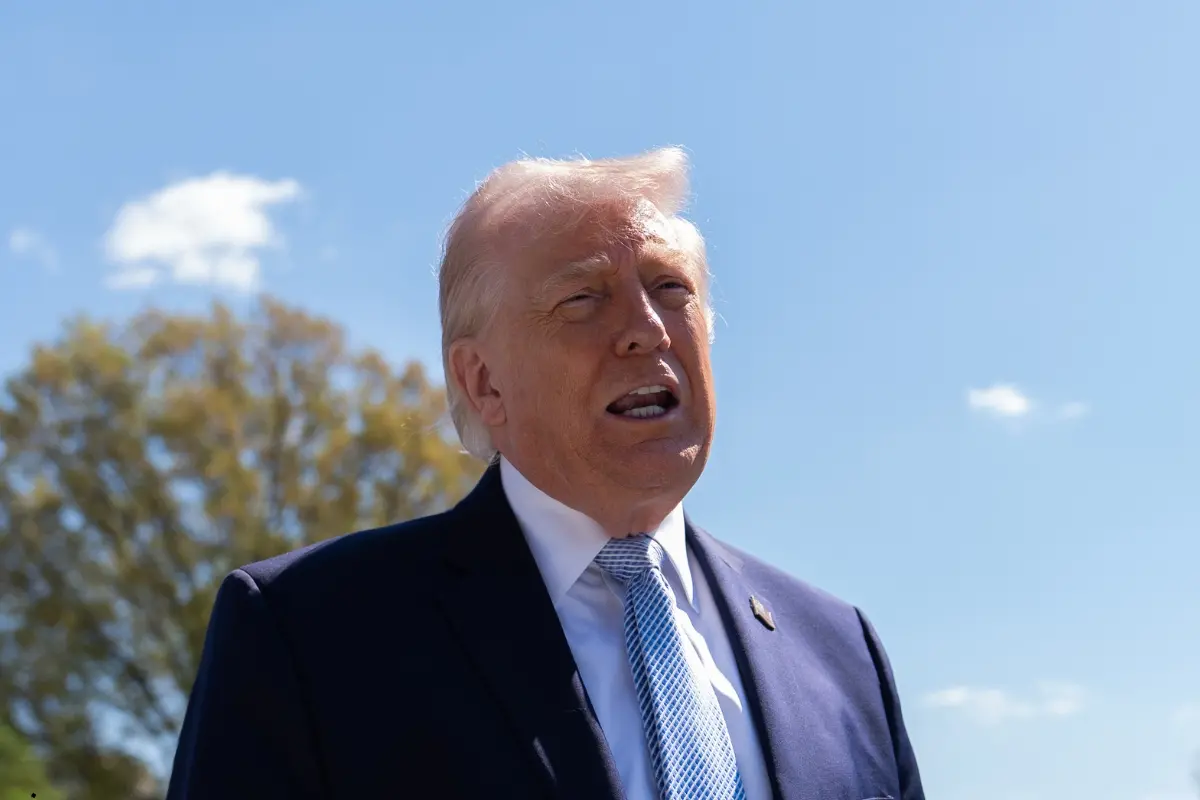
Washington DC: US President Donald Trump has warned that civilian infrastructure in Iran could be targeted if a deal is not reached before a set deadline.
He stated that the United States has the capability to act quickly against key infrastructure, including bridges and power plants, if negotiations fail. The remarks come amid ongoing tensions and active diplomatic efforts involving multiple intermediaries. According to BBC he said; “Do I want to destroy their infrastructure? No… The only way they’re going to rebuild their country is to utilise the genius of the US.”
Deadline linked to negotiations
Trump indicated that Iran has been given an extension to respond to US demands, including measures related to the free flow of oil through the Strait of Hormuz. He suggested that if no agreement is reached within the specified timeframe, the US may proceed with actions aimed at disabling critical infrastructure. Despite the warning, he also noted that discussions are still ongoing through indirect channels. He said; “We have a plan… where every bridge in Iran will be decimated… where every power plant in Iran will be out of business, burning, exploding and never to be used again.” Continued the threats by “The entire country can be taken out in one night - and that night might be tomorrow night.”
Iran’s response to proposals
Iran has formally rejected certain US-backed proposals, describing them as inadequate and overly demanding. Officials, including Foreign Minister Abbas Araghchi, have emphasised that negotiations must involve a permanent end to hostilities rather than temporary arrangements. Iran has also reiterated its demand for sanctions relief and guarantees regarding security and maritime access.
Humanitarian and conflict impact
Reports from international organisations, including the United Nations Office for the Coordination of Humanitarian Affairs, indicate that the humanitarian situation in Iran has deteriorated due to ongoing strikes and infrastructure damage. Civilian casualties have risen, and essential services such as electricity, water, and telecommunications have been disrupted in several areas. Industrial sites, transport hubs, and residential zones have also been affected.
Ongoing diplomatic efforts
Despite escalating rhetoric, diplomatic engagement continues through intermediaries from multiple countries. Proposed frameworks reportedly include phased ceasefires, sanctions relief, and agreements on nuclear activity and maritime security. However, both sides remain divided on key issues, and no formal breakthrough has been confirmed.
Military and strategic considerations
The situation remains volatile, with continued military activity influencing negotiations. US officials have indicated that operations are ongoing and may intensify if required. Figures such as Pete Hegseth have stated that military actions are aligned with directives from the administration, while Iran maintains that it will respond firmly to any escalation.
Strait of Hormuz and global implications
The Strait of Hormuz remains a central point of contention due to its importance in global oil transport. Any disruption to this route could have significant consequences for international energy markets, making it a key factor in both diplomatic negotiations and strategic calculations by the involved parties.