Trump rejects Iran’s '$300 billion' compensation demand: 'Interesting idea', but Tehran must pay
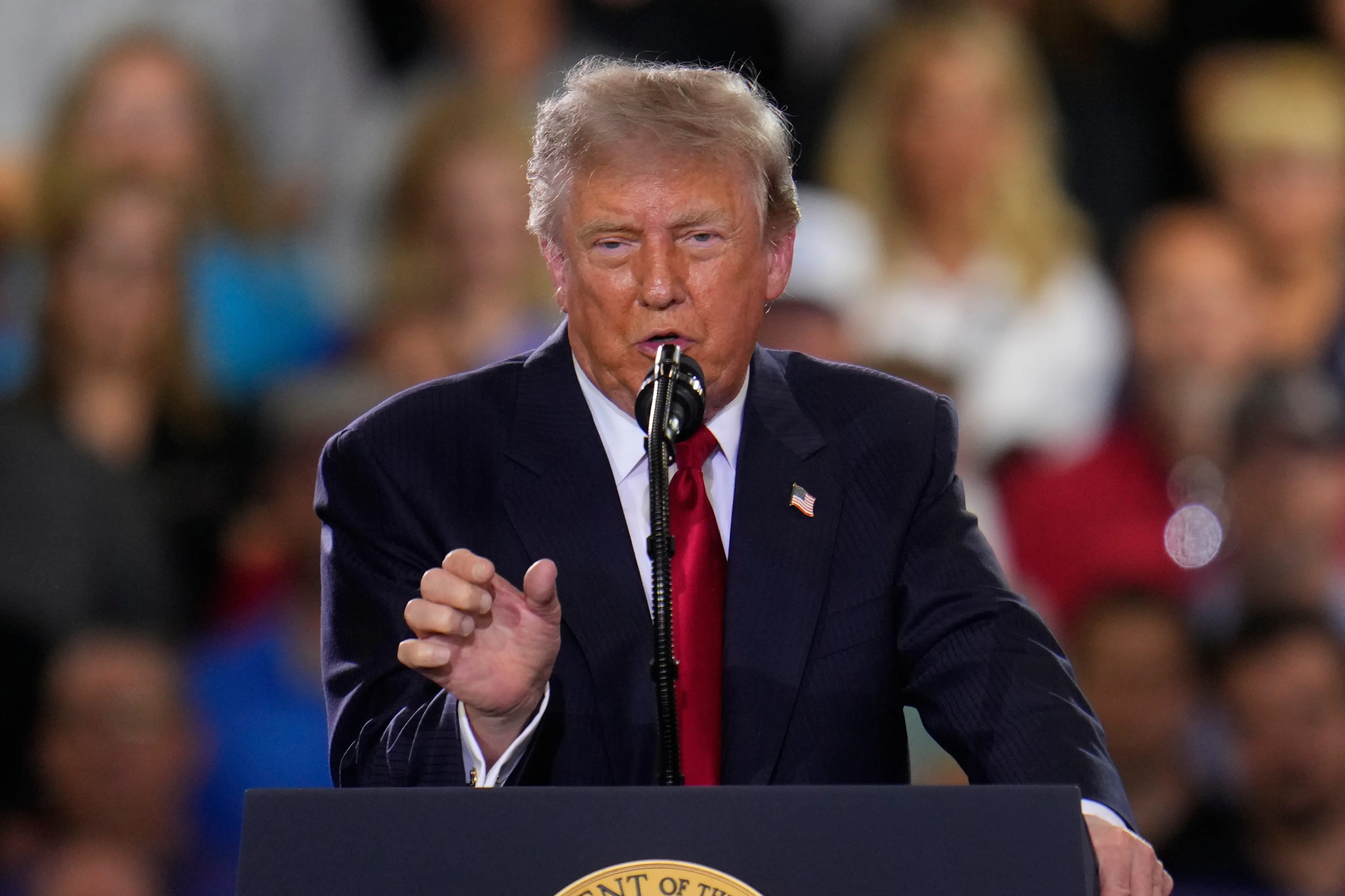
US President Donald Trump has rejected Iran’s demand for $300 billion in compensation for war damage, instead saying Tehran should pay compensation for people he says were killed or wounded in conflicts involving Iran. The dispute has further complicated efforts to reopen the Strait of Hormuz.
Trump dismissed Tehran's demand for financial compensation and said he would make a counter-demand during future negotiations.
Iran has sought $300 billion from Washington for damage caused during the conflict with the United States and Israel. Tehran has also demanded the release of frozen Iranian assets, lifting of sanctions and an end to military threats as conditions for fully reopening the Strait of Hormuz.
Trump described Iran's compensation request as an "interesting idea" and said his representatives had been instructed to include his own compensation demands in future negotiations.
Trump says Iran should pay for deaths and injuries
Trump said the US should seek compensation from Iran for people he says were killed or seriously wounded in attacks and conflicts involving Tehran.
He referred to the 2000 USS Cole bombing and other conflicts, and also mentioned Iranian military commander Qassem Soleimani, who was killed in a US drone strike in Baghdad in 2020.
Trump also called for compensation for families of protesters whom he alleged were killed by the Iranian government over several decades.
He claimed that 52,000 people had been killed during the five-month conflict, although the figure was presented as Trump's claim rather than an independently established casualty figure in the report.
Iran ties compensation to reopening of Hormuz
The compensation dispute is directly connected to the future of the Strait of Hormuz, a crucial waterway for global energy shipments.
Iran has said the strait will not be fully reopened unless Washington agrees to a series of conditions, including compensation for war damage, lifting sanctions, ending military threats and releasing frozen Iranian assets.
Iran's Revolutionary Guards reiterated that the waterway would remain closed until the United States accepted Tehran's demands.
The standoff has added another obstacle to efforts to restore normal shipping through the strait, with disruptions already affecting commercial traffic and increasing uncertainty in global energy markets.
Why the Strait of Hormuz matters
The Strait of Hormuz is one of the world's most important maritime energy chokepoints. Prolonged disruption to shipping through the waterway can affect oil and gas supplies, freight costs and energy prices globally.
The current confrontation therefore extends beyond the US-Iran dispute, with implications for Gulf energy producers, international shipping and global markets.
US and Iran remain far apart
The opposing compensation demands highlight the widening gap between Washington and Tehran.
Iran is seeking financial compensation and broader political and economic concessions as part of a possible agreement to reopen Hormuz. Trump, meanwhile, is demanding compensation from Iran and has maintained that Tehran should bear responsibility for deaths and injuries linked to conflicts involving the country.
The dispute comes as both sides continue to signal that negotiations remain possible, while maintaining hardline positions on the conditions for any broader settlement.
What happens next?
The immediate focus is likely to remain on whether Washington and Tehran can reach an understanding over the conditions for reopening the Strait of Hormuz.
Any agreement would have to address several interconnected issues, including compensation, sanctions, frozen Iranian assets, military activity and the future status of the strategic waterway.
For now, Trump's rejection of Tehran's $300 billion demand and Iran's insistence that its conditions must be met suggest that a quick resolution remains difficult.
Analysis: Why the compensation dispute matters
The latest exchange turns financial compensation into another major bargaining issue in the US-Iran confrontation.
For Tehran, the demand is part of a broader package linked to war damage and the reopening of Hormuz. For Washington, Trump's counter-demand reframes the issue around Iran's responsibility for deaths and injuries.
That creates a difficult negotiating dynamic: both sides are effectively demanding that the other pay before making major concessions.
The dispute also shows why Hormuz has become central to the wider diplomatic confrontation. Iran's ability to restrict shipping gives Tehran leverage beyond the battlefield, while the US has an interest in restoring unrestricted maritime traffic because of the strait's importance to global energy supplies.
Unless the two sides separate the immediate question of maritime access from the much broader dispute over compensation, sanctions and military responsibility, negotiations could remain stalled.