Hormuz crisis shifts: US pauses sea corridor push as Iran turns to China
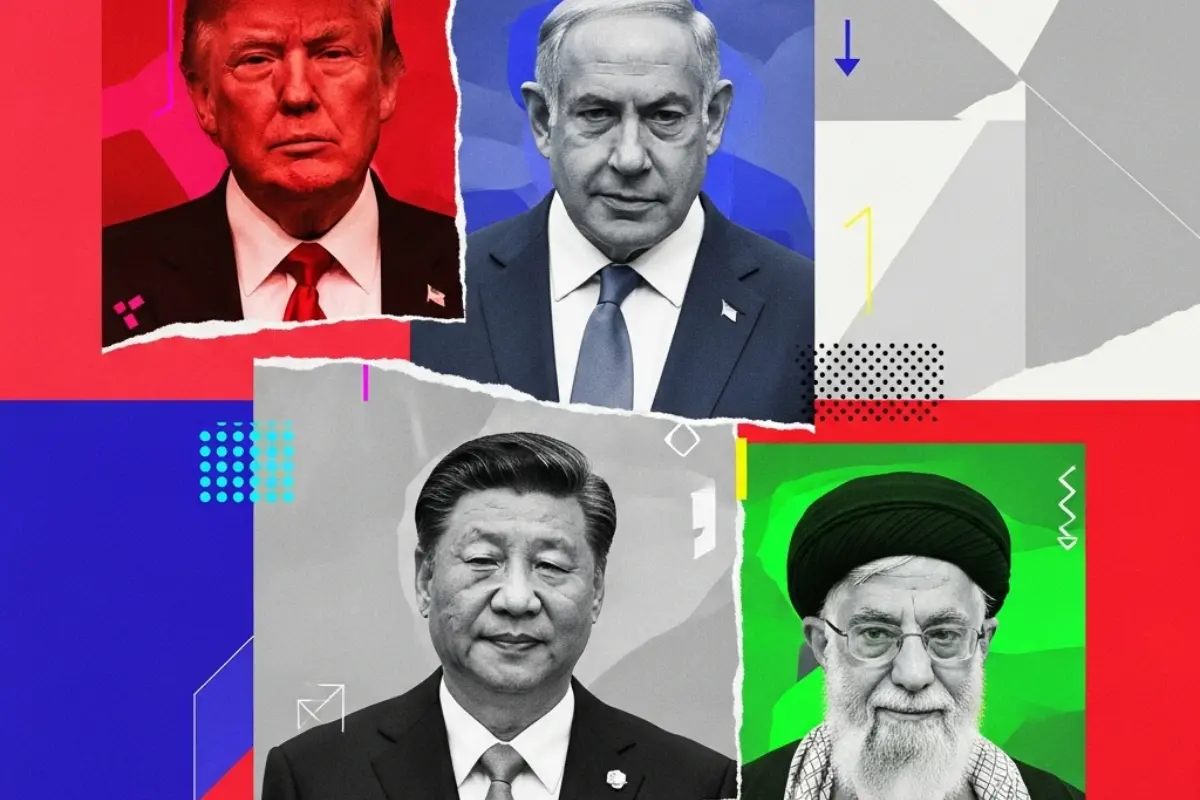
Donald Trump has announced a temporary pause in the US effort to guide stranded commercial vessels through the Strait of Hormuz, saying the move is intended to allow time for negotiations aimed at reaching an agreement with Iran.
In his statement, Trump indicated the decision was linked to ongoing diplomatic signals and claimed that “great progress” had been made towards a potential settlement. However, he also confirmed that the US naval blockade on Iranian ports will remain in place, meaning economic and maritime pressure on Iran continues despite the pause in escort operations.
Iran–China talks add diplomatic layer to crisis
At the same time, Iran’s Foreign Minister Abbas Araghchi met Chinese Foreign Minister Wang Yi in Beijing, marking the first high-level visit since the escalation of tensions in the region.
China plays a key strategic role due to its economic ties with Iran and its dependence on Middle East energy supplies. The talks come as Beijing is increasingly seen as a potential diplomatic bridge in the crisis, although no formal details of the discussions have been released so far.
The meeting highlights how the conflict is now expanding beyond a bilateral US–Iran confrontation into a wider geopolitical issue involving major global powers.
Strait of Hormuz remains flashpoint for global trade
The Strait of Hormuz continues to be at the centre of the crisis, with shipping routes heavily disrupted and global markets affected. The US had recently attempted to create a controlled corridor to help stranded vessels move safely, supported by military escorts.
US Secretary of State Marco Rubio described the operation as defensive, stating:
“We would prefer the path of peace,” while also emphasising that reopening the strait is essential for stability.
Despite these efforts, only a limited number of ships have successfully passed through the corridor, with many shipping companies continuing to avoid the region due to security concerns.
Iran rejects US claims, warns of consequences
Iran has strongly rejected US narratives around the operation, accusing Washington of escalating tensions and violating ceasefire understandings. Iranian officials have also indicated that Tehran has not yet fully responded to recent developments.
Senior Iranian figures have warned that continued pressure could lead to serious consequences, while also signalling that Iran still views diplomacy as part of its broader strategy.
At the same time, reports of regional incidents involving drones and missiles have further increased fears of escalation, particularly in Gulf waters and surrounding areas.
Global shipping and oil markets under strain
The ongoing instability in the Strait of Hormuz has had a direct impact on global energy and shipping markets. Oil prices have risen sharply amid fears of supply disruption, while major shipping companies remain cautious about using the route.
Many vessels are either delayed or avoiding the strait altogether, reflecting continued uncertainty over security conditions. With the waterway handling a significant share of global oil transport, even limited disruption is having wide-ranging economic consequences.
What happens next?
The situation now hinges on whether diplomatic engagement—particularly involving China—can translate into a broader agreement between the United States and Iran. While the US pause may indicate room for negotiation, the continued blockade and ongoing tensions suggest that the crisis is far from resolution.
For now, the Strait of Hormuz remains both a strategic chokepoint and a potential flashpoint, with global attention focused on whether diplomacy can prevent further escalation.