US Presidential Election: Trump to vote ‘yes’ for sale of marijuana in Florida
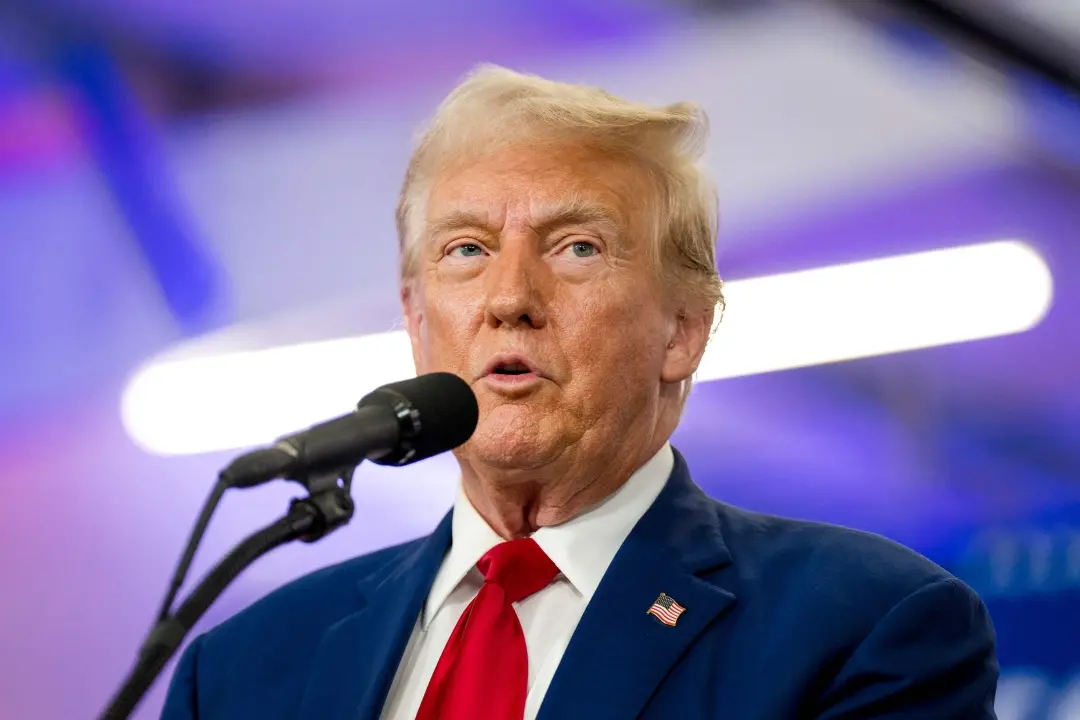
Washington: Donald Trump has expressed support for a significant federal policy change that would reclassify marijuana as a less dangerous drug, aligning his stance with that of Democratic opponent Kamala Harris. This marks a historic moment where both major-party presidential candidates back broad cannabis reform, reflecting a shift in public sentiment towards legalisation, as noted by the US Cannabis Council.
On Sunday, the Republican presidential nominee posted on his social media platform that he plans to continue focusing on research into the medical benefits of marijuana by reclassifying it as a Schedule III drug. He also announced his intention to vote "yes" on a Florida proposal to allow adult-use sales of marijuana for any purpose.
Trump's post comes ahead of a crucial debate between the two candidates, potentially setting the stage for him to criticise Harris for her past cannabis prosecutions during her tenure as San Francisco's district attorney. Given that drug prosecutions in the US disproportionately affect nonwhite defendants, this could align with Trump's efforts to appeal to nonwhite male voters.
Harris supports decriminalisation and has criticised the Drug Enforcement Administration's classification of marijuana as a Schedule I drug, alongside heroin and LSD, calling it “absurd.” Earlier in her career, she enforced cannabis laws and opposed legalising recreational use for adults in California while running for attorney general in 2010. Harris has faced scrutiny over her prosecutorial record before, including from Tulsi Gabbard, a Democrat who supported Trump and ran for the Democratic presidential nomination in 2020 before leaving the party in 2022.
During his 2016 campaign, Trump suggested that marijuana policy should be left to the states. However, during his presidency, then-Attorney General Jeff Sessions rescinded an Obama-era policy that had prevented federal crackdowns on the marijuana trade in states where it was legal.
The process to change marijuana's federal classification is already underway, initiated by President Joe Biden's call for a review, though the DEA has yet to make a final decision. This decision may not come until the next presidential administration, drawing attention to the candidates' stances on the issue.
Federal drug policy has lagged behind state policies, with 38 states having legalised medical marijuana and 24 permitting recreational use. A Gallup poll last year showed that about 70 percent of adults support legalisation, the highest recorded level and more than double the support from 2000. Support is even higher among younger voters, a crucial demographic in key battleground states.
David Culver, senior vice president of public affairs at the US Cannabis Council, stated on Monday that "cannabis reform is a winning issue." The proposed federal shift would not legalise marijuana for recreational use but would reclassify it from Schedule I to Schedule III, alongside substances like ketamine and certain anabolic steroids.
However, the proposed shift faces opposition from advocates who argue that there isn't sufficient data, as well as from attorneys general in over a dozen states, according to the group Smart Approaches to Marijuana.(AP)