Trump disputes report on Iran deal as Tehran awaits US response
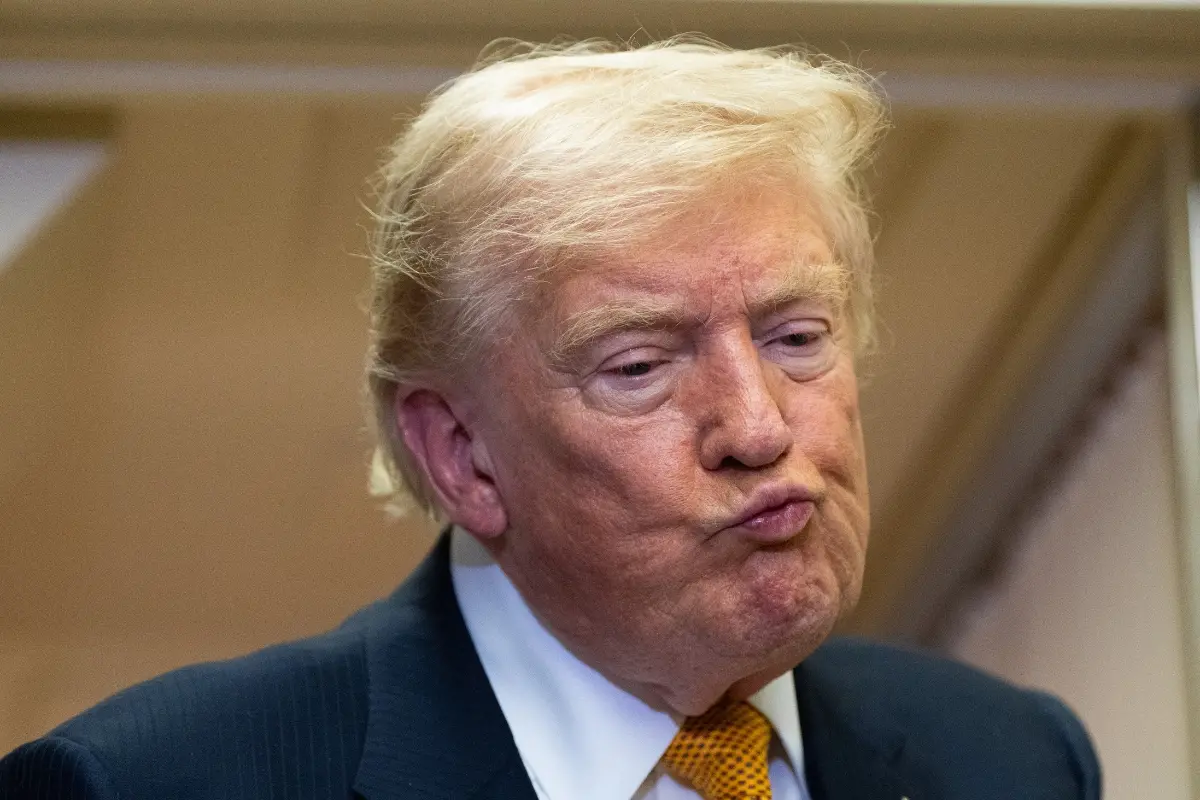
US President Donald Trump on Monday rejected a report that Washington was prepared to offer Iran sanctions relief and access to frozen Iranian funds in return for concessions over Tehran’s nuclear programme, calling the report 'untrue' and a 'HOAX'.
The report, published by Axios and separately reported by Israel’s Channel 12, said Trump was willing to consider easing sanctions and releasing frozen Iranian assets if Tehran agreed to concrete steps concerning its nuclear activities.
The Axios report cited unnamed US officials familiar with the discussions. Trump, however, disputed the account on Truth Social.
'Axios just released a story that ‘Trump’ offered Sanctions Relief and Frozen Funds to Iran. This is untrue. I offered them NOTHING!' he wrote, while calling on the news organisation to retract the report.
US-Iran contacts continue through mediators
Trump’s denial came as Washington and Tehran continued separate contacts with Qatari mediators in an effort to find a way out of the conflict, now in its seventh month.
The discussions are expected to centre on an amended version of a seven-day proposal put forward by Iran last week on the sidelines of the United Nations General Assembly, according to an official briefed on the negotiations.
Iranian Foreign Minister Abbas Araghchi, who remained in New York following the UN General Assembly, said Tehran was waiting for Washington’s response to its latest ceasefire proposal and its conditions for restoring maritime traffic through the Strait of Hormuz.
'If the Americans claim they are seeking an agreement or a peaceful solution, we have presented that solution,' Araghchi said, according to Iran’s state news agency IRNA.
Trump separately confirmed that US officials had spoken with mediators on Monday but did not provide details about the discussions.
Iran links Hormuz reopening to wider deal
Under Iran’s proposal, hostilities in Iran and Lebanon would end, billions of dollars in Iranian assets would be unfrozen, sanctions on Iranian oil would be lifted, and the US blockade on Iranian ports would be removed.
In return, Tehran would allow the Strait of Hormuz to reopen to maritime traffic and resume negotiations over its nuclear programme, including the issue of its highly enriched uranium.
The Strait of Hormuz is a critical global energy route through which a significant volume of oil and other petroleum products passes.
Trump said on Saturday that he had rejected Iran’s proposal, arguing that Tehran was seeking a quick agreement because of mounting economic pressure.
However, he told Axios a day later that he expected US negotiators to hold further discussions with Iran during the week.
Araghchi said Sunday that Iranian mediators had not formally communicated a US rejection of the proposal.
Tehran, he said, was awaiting Washington’s definitive position before determining its next move.
The competing accounts over sanctions relief and frozen Iranian assets underscore the uncertainty surrounding the latest diplomatic efforts, with both sides continuing to communicate through intermediaries.